Can you sell as-is with a mortgage?
Yes — you can sell a property “as-is” even if there is an outstanding mortgage on it. However, having a mortgage affects how the sale is completed, what options are available, and what steps you must take to close with a clear title. This guide explains what “as-is” really means, how a mortgage interacts with an as-is sale, the common paths sellers take, and practical steps to complete a successful transaction.
What “as-is” means
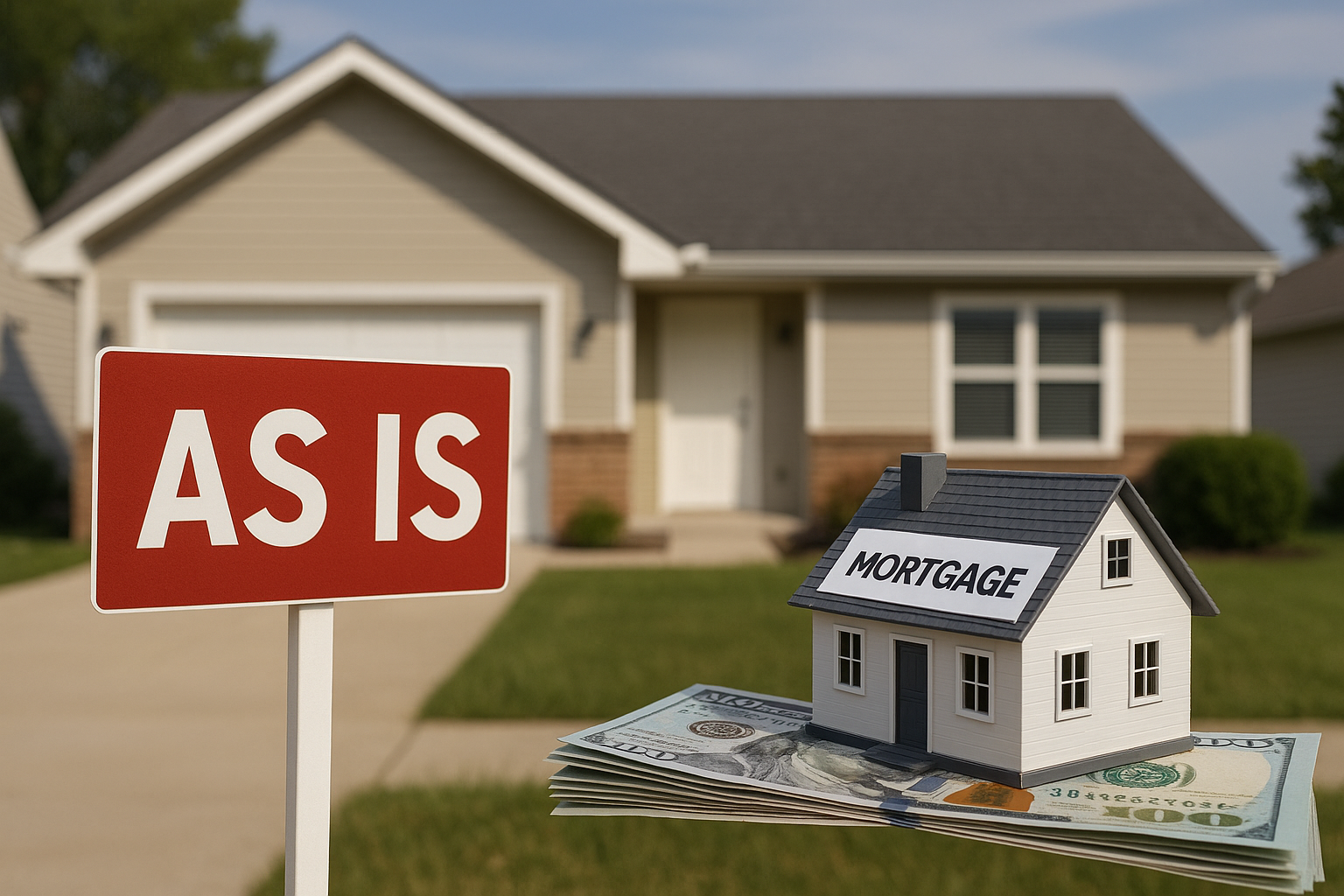
“As-is” indicates the seller will not make repairs or negotiate to fix defects discovered during inspection. It does not mean you can withhold legally required disclosures, ignore liens, or walk away from mortgage obligations. Buyers still get the property in its current condition, but many buyers and lenders will factor the condition into offers and approvals.
How a mortgage affects the sale
A mortgage is a lien on the property. When you sell, the lender’s lien must be satisfied — usually by paying off the remaining loan balance at closing. If the sale price covers the mortgage and closing costs, the lender is paid from proceeds and the title transfers free of that lien. If it does not, you need the lender’s approval for an alternative solution (short sale, deed in lieu, or assumption where eligible).
Common options when selling as-is with a mortgage
Sell and pay off the mortgage at closing
The most common scenario: you list the home as-is, accept an offer, and the closing agent uses the sale proceeds to pay off the mortgage. This requires the sale price to be sufficient to clear the loan balance plus fees and closing costs.
Short sale
If you owe more than the home is worth, you may ask the lender to approve a short sale — selling the property for less than the outstanding mortgage. The lender must agree to accept less than the payoff amount. Short sales require lender negotiation, documentation, and sometimes lengthy approval timelines.
Deed in lieu of foreclosure
When selling is not feasible, a deed in lieu lets you voluntarily transfer ownership to the lender to avoid foreclosure. This is not a sale to a third party and typically ends the mortgage obligation, but it can have significant credit and tax implications.
Assumption of mortgage
Some loans (notably certain VA and FHA loans) may be assumable, which means a buyer can take over your mortgage under its current terms. The lender must approve the buyer, and many conventional loans have due-on-sale clauses preventing assumption.
Sell to a cash buyer or investor
Cash buyers and investors frequently buy homes as-is because they don’t need lender approvals tied to repairs or appraisals. Selling to a cash buyer can speed up the process and avoid the appraisal-related obstacles that often derail financed deals.
Buyer financing and as-is properties
What lenders require
Even if a buyer plans to finance their purchase, the lender will typically require the property to meet minimum health, safety, and marketability standards. Major issues (roof leaks, structural problems, mold, or inoperable utilities) can cause an appraisal to fail or lenders to deny the loan. FHA and VA loans are especially strict about habitability.
Tips to improve financeability without full repairs
- Get a pre-listing inspection to identify deal-breakers.
- Consider completing targeted, affordable repairs that address lender red flags.
- Be transparent in the listing and disclosure forms to avoid surprises.
- Market to cash buyers and investors if major repairs are needed.
Legal and practical steps to sell as-is with a mortgage
Get a payoff statement
Contact your lender early to obtain a payoff statement showing the total amount required to satisfy the mortgage and any prepayment penalties. Payoff figures are time-sensitive, so request an updated statement as closing approaches.
Full disclosure and required paperwork
As-is does not excuse legally required disclosures. Provide all mandated seller disclosures about known defects, lead paint (if applicable), and other material facts. Failing to disclose can create legal liability after the sale.
Work with professionals
Use an experienced real estate agent, real estate attorney, or closing agent. They will handle payoff coordination, lien releases, title work, and negotiations with the lender if you pursue a short sale or deed in lieu.
Risks and benefits
Selling as-is can simplify your obligations and speed up a sale if you don’t want to invest in repairs. However, you may get lower offers, face lender appraisal hurdles if the buyer is financing, and must still resolve the mortgage lien at closing. Choose the path that balances speed, net proceeds, and your financial constraints.
Conclusion
You can sell a home as-is while it has a mortgage, but the mortgage still must be dealt with — typically by paying off the loan at closing or negotiating with the lender if the sale proceeds won’t cover the balance. Be proactive: get a payoff statement, provide full disclosures, consider your buyer pool (cash buyers vs. financed buyers), and work with professionals to ensure a clean closing.