Understanding “As-Is” Sales
When a property is sold “as-is,” the seller is signaling they will not make repairs or offer credits for problems discovered after contract. That doesn’t mean a buyer forfeits the right to inspect the home or discover issues; it simply changes who is expected to shoulder the cost and risk of repairs. Knowing the common problems that show up in as-is homes helps you make an informed decision and negotiate from a position of strength.
Common Physical Problems
Structural Issues
Foundation cracks, uneven floors, bowed walls, and settlement are among the most serious and costly issues. Structural problems can be expensive and time-consuming to repair and may affect the safety and resale value of the home. Look for large cracks, sticking doors or windows, and visible gaps between walls and ceilings.
Roof and Exterior
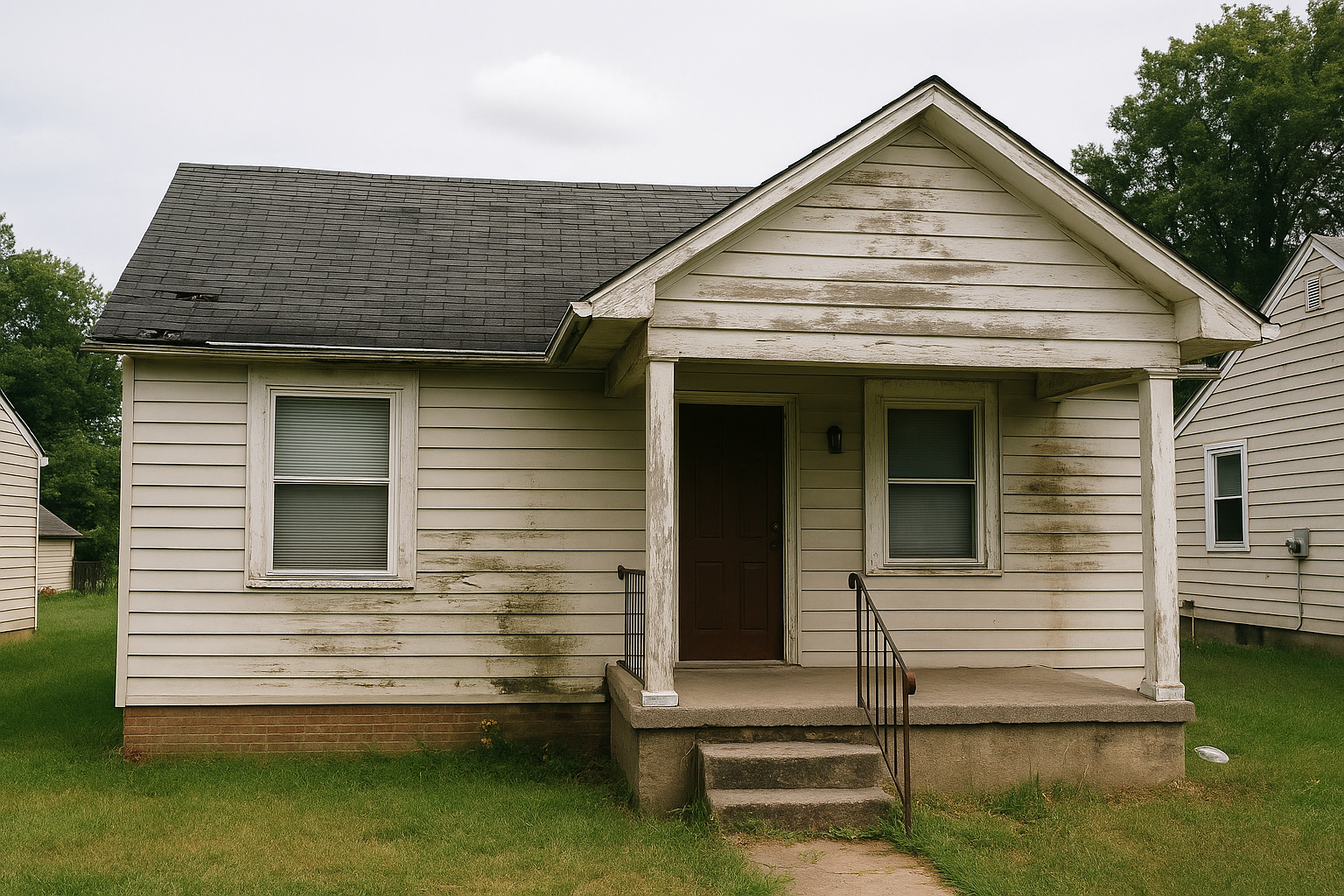
Roofs in poor condition, missing shingles, damaged flashing, and deteriorated gutters commonly appear in as-is properties. Exterior problems such as rot, siding damage, and failing windows can lead to water intrusion and energy loss. A failing roof can trigger other issues like mold or structural weakening if left unchecked.
Plumbing and Electrical
Old or improperly installed plumbing and outdated electrical systems are frequent finds. Expect leaks, corroded pipes, inadequate water pressure, knob-and-tube wiring, or insufficient electrical service. These items can pose safety risks and may be costly to upgrade to modern standards.
HVAC Systems
Aging heating and cooling systems, poor ductwork, and nonfunctional thermostats are common in as-is homes. Replacing an HVAC system is a major expense, and temporary fixes may not address underlying ducting or insulation problems that reduce efficiency.
Water Damage and Mold
Signs of past or ongoing water intrusion—stains, peeling paint, musty odors—should be treated seriously. Water damage often hides behind walls and under floors, and mold growth can affect health and require specialized remediation.
Pest Infestation
Termites, rodents, ants, and other pests can cause structural and cosmetic damage. Evidence of infestation, such as damaged wood, droppings, or nests, may indicate an ongoing problem that needs professional eradication and repair work.
Deferred Maintenance and Cosmetic Issues
Peeling paint, warped flooring, outdated kitchens and bathrooms, and surface wear are typical in as-is homes. While largely cosmetic, these issues add to renovation costs and can reveal deeper problems like hidden rot or poor insulation.
Legal, Financial, and Insurance Concerns
Title Problems, Liens, and Code Violations
As-is sales sometimes accompany unresolved legal problems such as title defects, unpaid liens, or municipal code violations. These issues can complicate closing or transfer of ownership and may become the buyer’s responsibility if not cleared prior to purchase.
Financing and Insurance Challenges
Lenders and insurers often require a minimum standard for habitability. Significant defects can make it difficult to obtain a mortgage or to secure homeowner’s insurance without repairs. Buyers should verify lending and insurance requirements early in the process.
Inspection, Negotiation, and Practical Tips
Invest in a Thorough Inspection
Do not skip the professional inspection. Hire a qualified home inspector and consider specialized inspections for termites, mold, sewer line condition, or structural engineering depending on your concerns. Inspections give you a clearer picture of likely costs and risks.
Get Repair Estimates and Budget Carefully
Obtain contractor estimates for major repairs before finalizing the deal. Factor in both immediate fixes and longer-term maintenance. It’s wise to set aside a contingency fund—often 10-20% of your renovation budget—for unexpected issues.
Negotiate Strategically
Even in as-is transactions, buyers can negotiate price reductions, seller credits, or an escrow holdback to cover repairs. Use inspection findings and contractor quotes as leverage. If the seller won’t budge, consider whether the required repairs fit your budget and timeline.
Know When to Walk Away
Some problems—major structural failure, significant environmental hazards, or uninsurable conditions—may be deal-breakers. Establish acceptable risk thresholds before making an offer so you can walk away without regret if the property exceeds them.
Conclusion
Buying an as-is home can offer savings and opportunity, but it comes with added risk. Understanding the typical physical, legal, and financial issues—and planning accordingly with inspections, estimates, and clear negotiation strategies—helps you make a confident decision and avoid costly surprises.