Understanding “As-Is” Sales
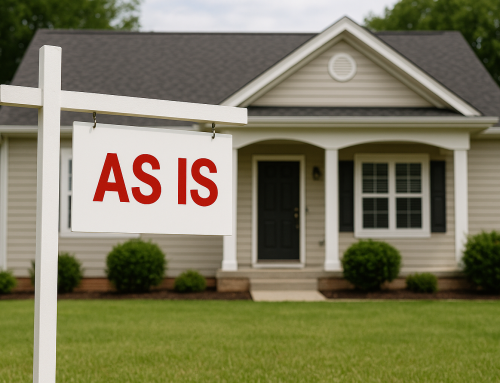
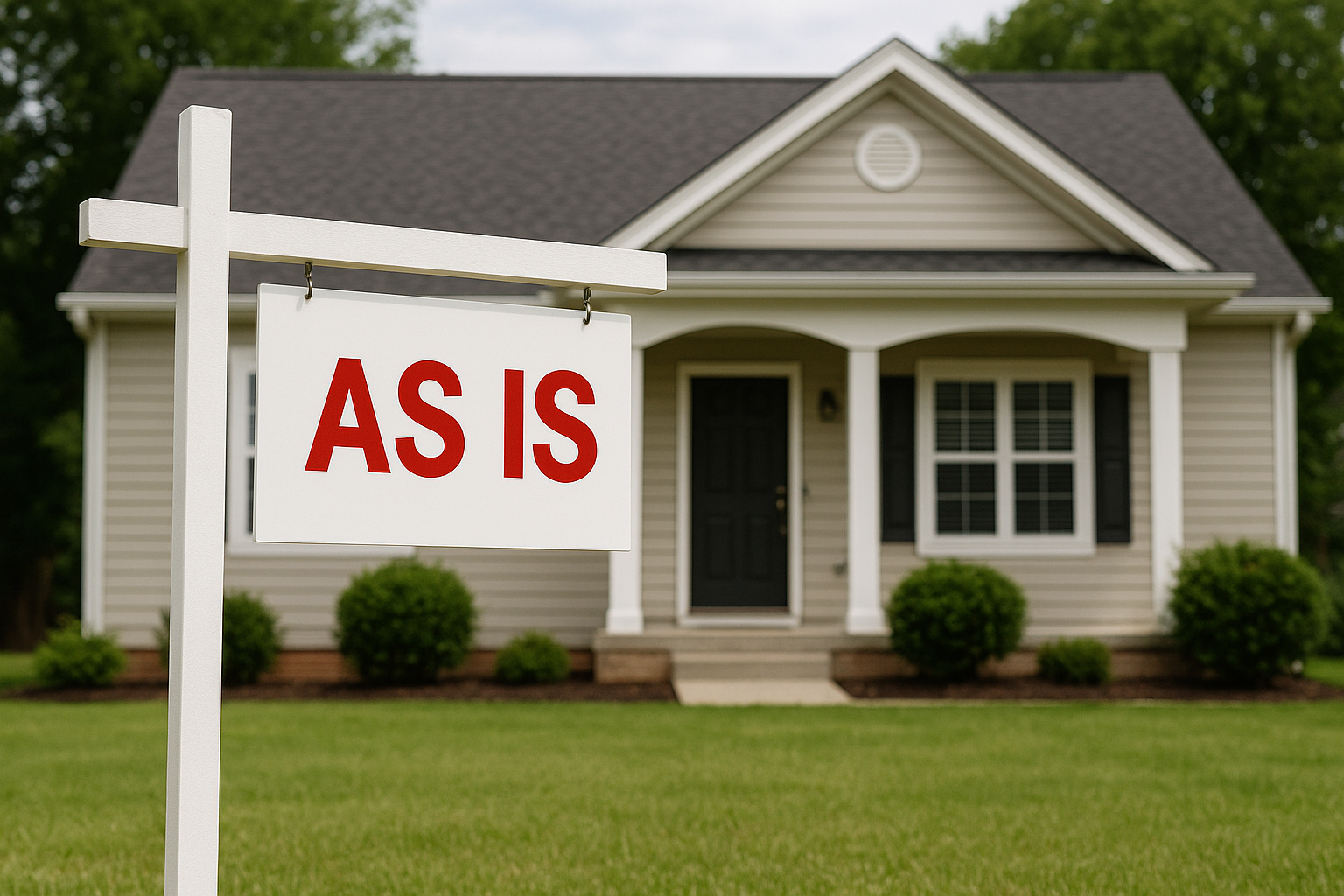
When a home is listed “as-is,” the seller is signaling they don’t plan to make repairs before closing. That doesn’t mean repairs won’t affect the sale — far from it. Buyers, lenders, inspectors, and appraisers still evaluate the property, and repair issues will influence offers, financing, and closing timelines.
Why Repairs Matter in As-Is Transactions
Even if a property is sold as-is, defects change how buyers perceive value and risk. Repairs affect three core areas:
Price Expectations
Buyers will typically account for visible and known defects when deciding how much to offer. A house with minor cosmetic issues will suffer less than one with foundation, roof, or major system problems. The anticipated cost of repairs often translates into lower offers or requests for seller concessions.
Financing Feasibility
Some loans require the home to meet minimum property standards. FHA, VA, and certain conventional lenders can deny financing if safety or habitability concerns exist. That reduces the pool of buyers and can make buyers using those loan types either walk away or ask for repairs/credits.
Buyer Confidence and Inspection Contingencies
Inspections reveal issues buyers might not have noticed. Even in as-is deals, inspection contingencies allow buyers to renegotiate or cancel. The more severe the findings, the higher the likelihood of a stalled deal or a reduced offer.
Types of Repairs and Their Impact
All repairs aren’t equal. Understanding which issues most affect as-is sales helps sellers prioritize.
Safety and Code Violations
Electrical hazards, mold, lead, structural problems, and sewer issues are red flags. These often force lenders to require remediation and can block financing. They have the greatest negative impact on saleability and price.
Major Systems (Roof, HVAC, Plumbing)
Failing major systems reduce buyer interest and can lead to lowball offers. Buyers factor in replacement costs and potential short-term disruptions, which weigh heavily against the listing price.
Cosmetic and Minor Repairs
Peeling paint, worn flooring, and dated fixtures are easier for buyers to accept or fix later. These issues typically affect perceived value and marketing photos more than lender decisions, so their impact on offers tends to be smaller.
Seller Options When Selling As-Is
Sellers have multiple strategies besides ignoring problems. Choosing the right one depends on time, budget, and market conditions.
Make Strategic Repairs
Fixing safety issues and major systems can dramatically improve buyer interest and financing options. Even selective repairs — replacing a leaky roof or fixing electrical hazards — can increase net proceeds by enabling more buyers and better offers.
Offer Credits or Price Reductions
Instead of completing repairs, sellers can reduce the price or offer a credit at closing. Credits are often attractive because they let buyers control the fix, but buyers may still discount the price further if they perceive other hidden problems.
Target Investors and Cash Buyers
Investors and cash buyers often buy as-is for renovation. They value the property based on after-repair value (ARV) and will usually offer less, but the transaction can be faster and less contingent on inspections or lender requirements.
Negotiation Dynamics and Timing
Timing and transparency shape negotiations. Disclosing issues upfront and providing repair estimates or contractor bids can streamline talks. If buyers feel blindsided by inspection reports, they are more likely to push hard on price.
Market Conditions Matter
In a seller’s market, buyers may accept more risk and offer closer to asking even for as-is homes. In a buyer’s market, defects cut days on market and force deeper concessions. Sellers should price accordingly.
Documentation Helps
Providing receipts for past repairs, warranties, and inspection reports can reduce perceived risk. A pre-listing inspection allows sellers to address or quantify issues and gives buyers greater confidence.
Practical Tips for Sellers
- Get a pre-listing inspection to identify deal-breakers and set realistic pricing.
- Prioritize safety and code-related repairs to avoid financing roadblocks.
- Obtain quotes for larger repairs to show buyers actual costs or to structure credits.
- Work with an agent experienced in as-is sales to target the right buyer pool.
- Be transparent—clear disclosure reduces surprises and supports smoother negotiations.
Conclusion
Repairs shape the value, marketability, and speed of as-is home sales. While selling as-is means you won’t perform every fix, understanding which repairs matter most and using strategic options—selective repairs, credits, or targeting investors—can protect your bottom line and reduce deal friction. Thoughtful preparation and clear disclosure are the best ways to turn an as-is listing into a successful sale.