Understanding “As-Is” Home Sales
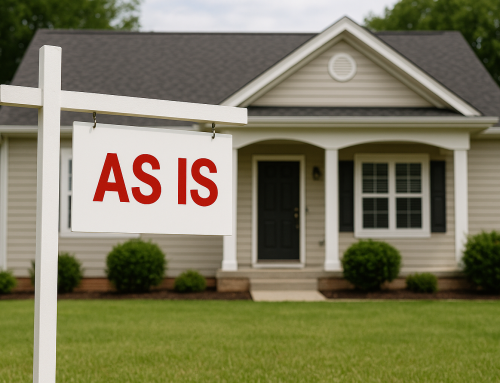
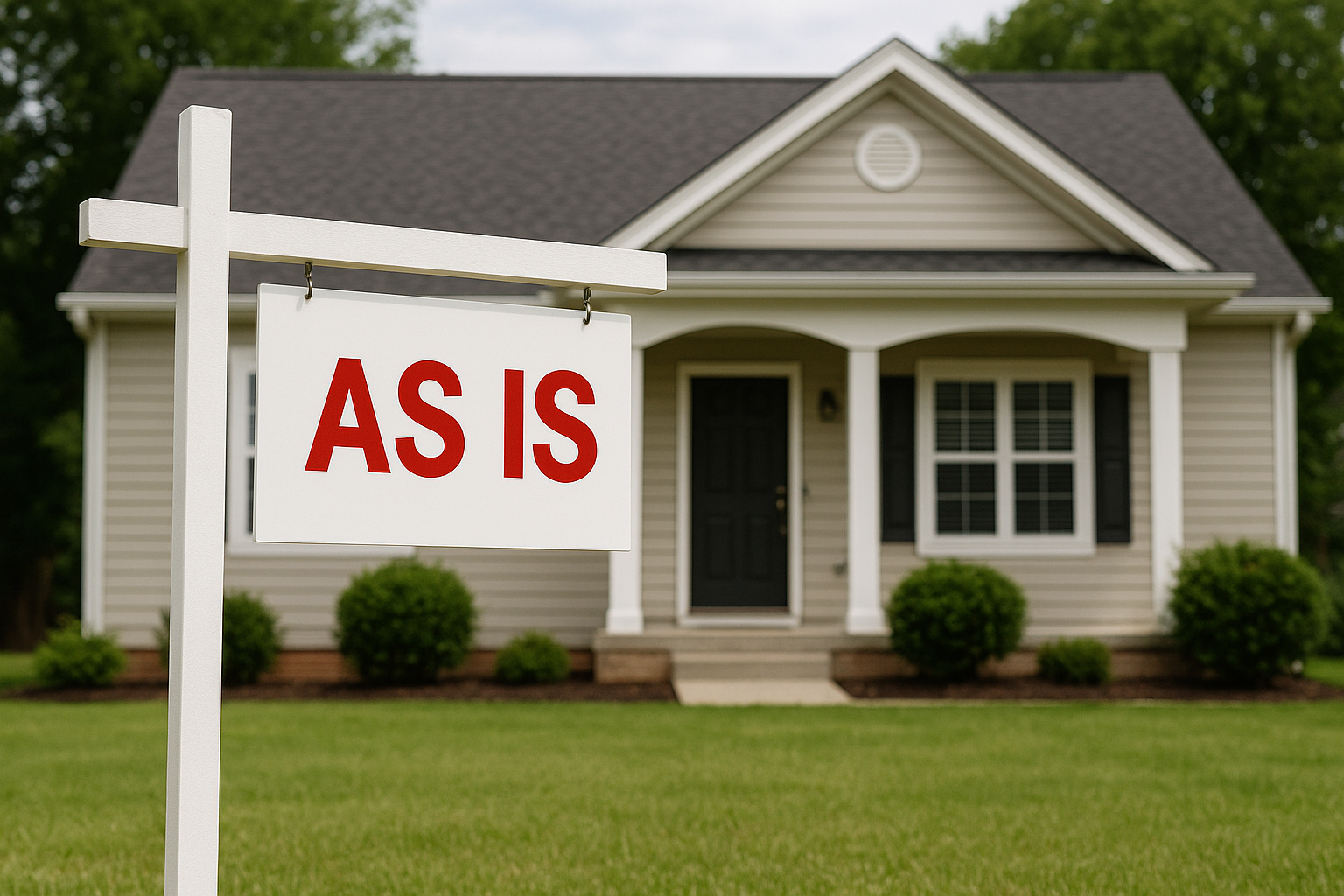
Selling a home “as-is” means you’re offering the property in its current condition, without making repairs or upgrades before closing. This approach can save time and money, but it also affects buyer interest, financing options, and—most importantly—the price. A thoughtful pricing strategy helps you attract the right buyers while protecting your bottom line.
Key Factors That Influence Price
1. Property Condition
The severity and visibility of issues—roof leaks, foundation problems, outdated systems, or cosmetic wear—directly impact perceived value. Major structural or safety concerns will require deeper price adjustments than cosmetic updates.
2. Local Market Conditions
Is it a buyer’s market or seller’s market? In hot markets, buyers may accept as-is properties with minor problems. In slower markets, you may need to price more aggressively to generate offers.
3. Comparable Sales (Comps)
Look at recent sales of similar homes in similar condition. Comps help establish a baseline value; when local as-is sales are scarce, adjust comparable prices downward to reflect needed repairs.
4. Buyer Pool and Financing
Investors and cash buyers are often more willing to buy as-is, while conventional/VA/FHA purchasers may require repairs or appraiser concessions. Anticipate who will be your likely buyer and price accordingly.
Methods for Pricing an As-Is Home
Comparative Market Analysis (CMA)
Work with a real estate agent to produce a CMA that includes as-is comps when possible. If most comps are renovated, adjust for estimated repair costs to make the comparison fair.
Repair-Cost Deduction
Get estimates for the major repairs. Subtract those costs (plus a buffer for unknowns and contractor markups) from the market value of a comparable repaired home. This yields an as-is price that reflects realistic buyer expectations.
Investor Pricing Strategy
If you expect investors to be your primary buyers, calculate the after-repair value (ARV) based on comps, then allow for investor profit margins and rehab estimates to arrive at the offer range they’ll consider.
Pricing Strategies to Consider
1. Price Aggressively to Attract Multiple Offers
Setting an attractive price can create competition and drive offers above list price, which may offset the lack of repairs. This is most effective in hot markets.
2. Price Room to Negotiate
Set a price that reflects the home’s condition but leaves room for buyer requests, such as repair credits or closing cost help. Expect offers to come in below list in many cases.
3. Offer Transparency
Provide an accurate property disclosure and, if possible, a pre-listing inspection report. Buyers appreciate transparency; disclosing known issues upfront can reduce surprises and speed negotiations.
4. Consider Seller Credits
Instead of lowering the list price, some sellers offer credits at closing to cover buyer repairs or appraisal contingencies. This can preserve curb appeal while addressing buyer financing needs.
Practical Steps Before Setting the Price
- Get a pre-listing inspection to identify major issues and estimate repair costs.
- Obtain one or two contractor quotes for significant items (roof, HVAC, foundation).
- Ask a local agent for a CMA focused on as-is comparables or adjusted comps.
- Calculate net proceeds after commissions, closing costs, and repair-related concessions.
Negotiation Tips for As-Is Sales
Be Flexible but Firm
Expect inspection objections; be prepared with a range of concessions you’re willing to offer. Decide in advance whether you’ll provide credits, reduce price, or make limited repairs.
Understand Appraisal Risk
Lenders rely on appraisals. If the appraisal comes in low because of condition issues, buyers may ask for price reductions or struggle to secure financing. Cash buyers and investors reduce this risk.
When to Consider Making Repairs Anyway
Some repairs yield a higher return than their cost—safety issues, major system failures, or problems that severely limit buyer financing. If a relatively small repair could unlock a much broader buyer pool, it may be worth completing before listing.
Working with Professionals
An experienced listing agent who understands as-is transactions, local investor demand, and financing nuances is invaluable. Also consider consulting a contractor for realistic repair scopes and a real estate attorney if disclosures or title issues are complex.
Conclusion
Pricing an as-is home requires balancing honesty about condition with market realities and buyer expectations. Use comps, repair estimates, and a clear negotiation plan to set a competitive price that attracts serious buyers while protecting your net proceeds.