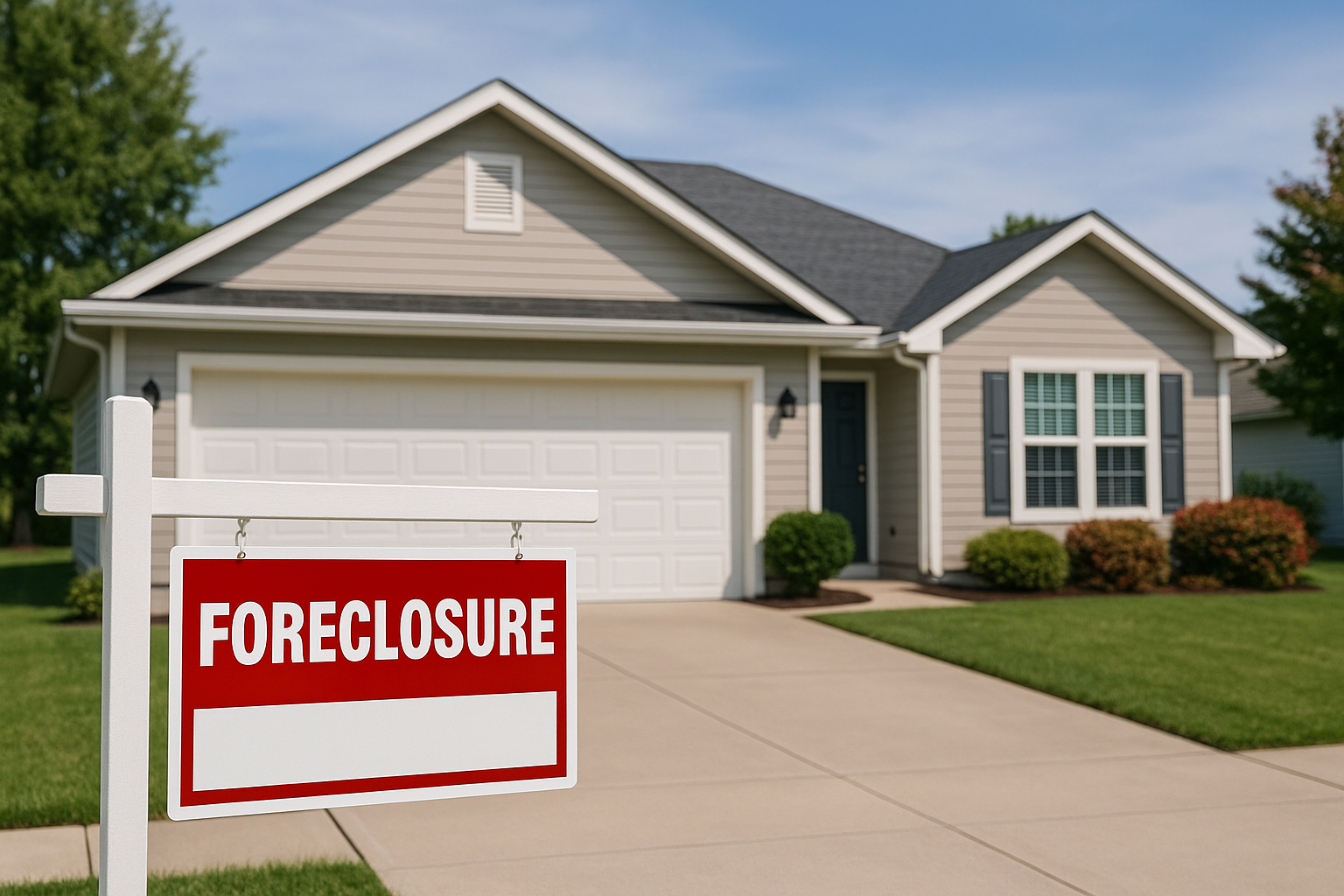
Why Acting Quickly Matters When Facing Foreclosure
When you’re behind on mortgage payments, time is the most important resource you have. Foreclosure processes vary by state, but once notices begin, the timeline to save your credit and equity shortens rapidly. Selling your house fast can be one of the most effective ways to avoid foreclosure, minimize losses, and move forward with fewer long-term consequences.
Options to Avoid Foreclosure
1. Sell the Home Quickly—Traditional or Fast Sale
A fast sale could mean working with an experienced real estate agent who specializes in quick closings or listing on the open market with an aggressive pricing strategy. Traditional sales may take longer, but a well-priced and marketed home can still close quickly—often within 30 to 45 days.
2. Sell to a Cash Buyer or Real Estate Investor
Cash buyers and investors often close in as little as 7–14 days and purchase properties as-is. This removes the time and cost of repairs and avoids long listing periods. Expect a discounted offer compared with market value, but you trade that for speed and certainty.
3. Short Sale
A short sale involves the lender agreeing to accept less than the outstanding mortgage balance. This can prevent foreclosure but requires lender approval and can take weeks to months to finalize. Short sales may still be a good option if you have little equity and a cooperative lender.
4. Deed in Lieu of Foreclosure
With a deed in lieu, you voluntarily transfer ownership to the lender in exchange for the lender cancelling the mortgage. This can be faster than foreclosure and less damaging to your credit, but lenders won’t accept a deed in lieu if there are other liens on the property.
5. Loan Modification or Repayment Plan
If you can negotiate with your lender, a loan modification or temporary repayment plan might give you breathing room to sell without triggering foreclosure. This route requires documentation and lender approval but can stop foreclosure while you prepare a sale.
Steps to Sell Your House Fast
1. Get Your Finances and Documents in Order
Gather mortgage statements, foreclosure notices, tax records, and property title documents. Having these ready speeds negotiations and closes.
2. Price It to Sell
Work with a real estate agent or use comps to set a competitive price. If time is critical, price slightly below market to attract multiple offers and speed up the sale.
3. Improve Curb Appeal and Minor Repairs
Small, low-cost fixes (fresh paint, decluttering, landscaping) can significantly improve buyer interest. If selling to a cash buyer, you can skip most repairs.
4. Choose the Right Selling Path
- Open market with an agent for best sale price (may take longer)
- Cash buyer/investor for fastest close
- Short sale if you owe more than the home’s value and lender agrees
5. Be Ready to Negotiate
In fast sales, flexibility on closing dates, minor concessions, and being responsive to buyer requests makes deals close faster.
Legal and Financial Considerations
Consult Professionals
Talk to a foreclosure attorney, HUD-approved housing counselor, or a real estate agent experienced in distressed sales. They can explain state-specific foreclosure timelines, lender options, and tax implications.
Understand Deficiency Judgments and Tax Consequences
After a short sale or deed in lieu, some states allow lenders to pursue a deficiency judgment for the remaining balance. Also, forgiven debt might be taxable. Get professional advice to understand exposure and possible relief options.
Tips to Maximize Proceeds While Selling Fast
- Choose a trusted cash buyer or agent with proven quick-close track record.
- Be transparent about condition and liens to avoid delays during escrow.
- Keep the home show-ready to prevent last-minute postponements.
- Negotiate closing cost contributions wisely—sometimes covering small costs speeds the sale and nets more overall after avoiding foreclosure.
Common Mistakes to Avoid
- Waiting until foreclosure notices escalate—early action gives you more options.
- Falling for scams promising instant solutions; verify buyers and offers.
- Overpricing when speed matters—an overpriced home sits on the market and risks foreclosure.
- Failing to get written agreements from lenders for short sales or deed-in-lieu arrangements.
Conclusion
If foreclosure is a real risk, selling your house fast can protect your credit and reduce financial pain. Evaluate all options—cash buyers, short sales, loan modifications—and work with trusted professionals to move quickly and confidently. With swift action and the right strategy, you can avoid foreclosure and start rebuilding.