First impressions: maximize curb appeal
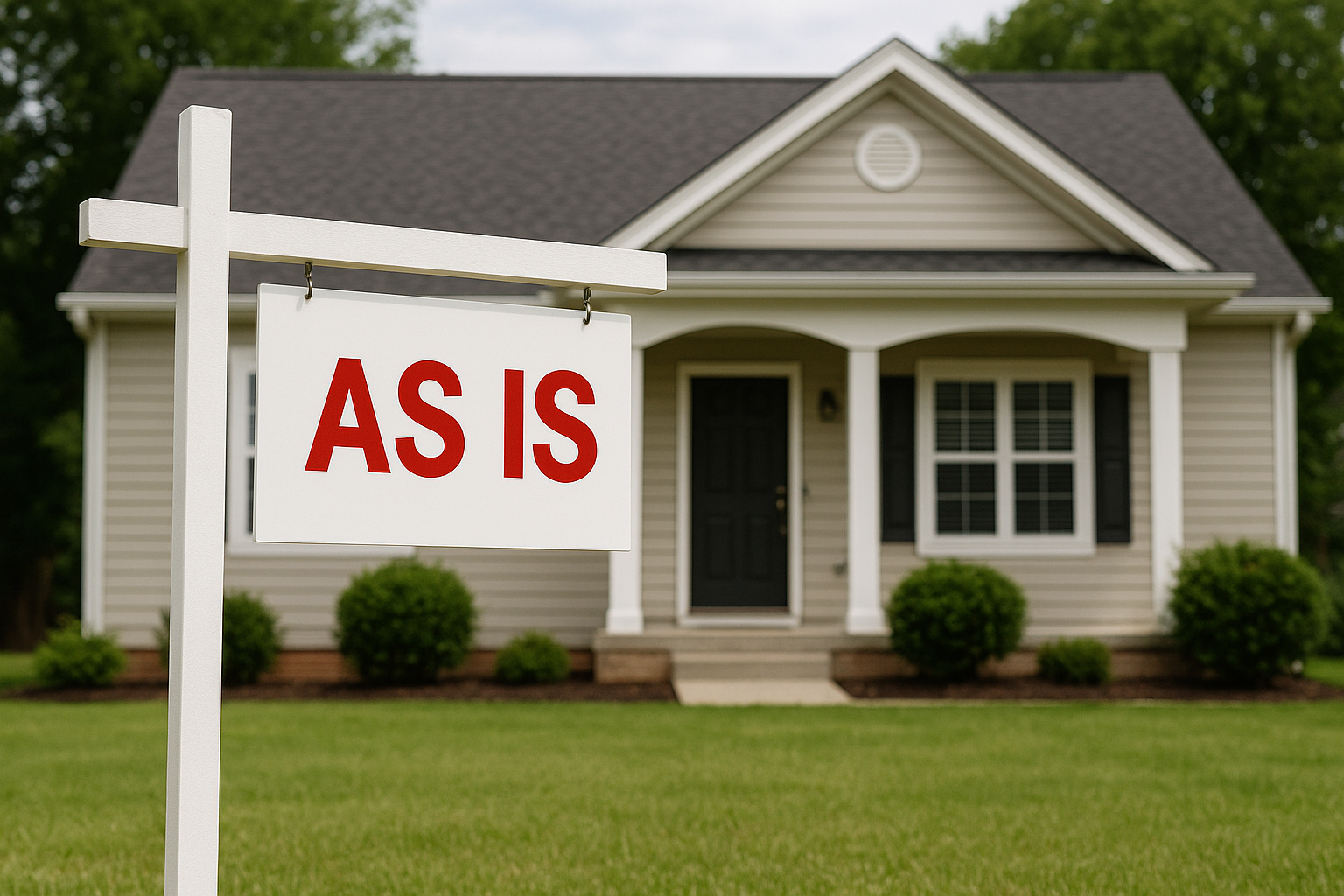
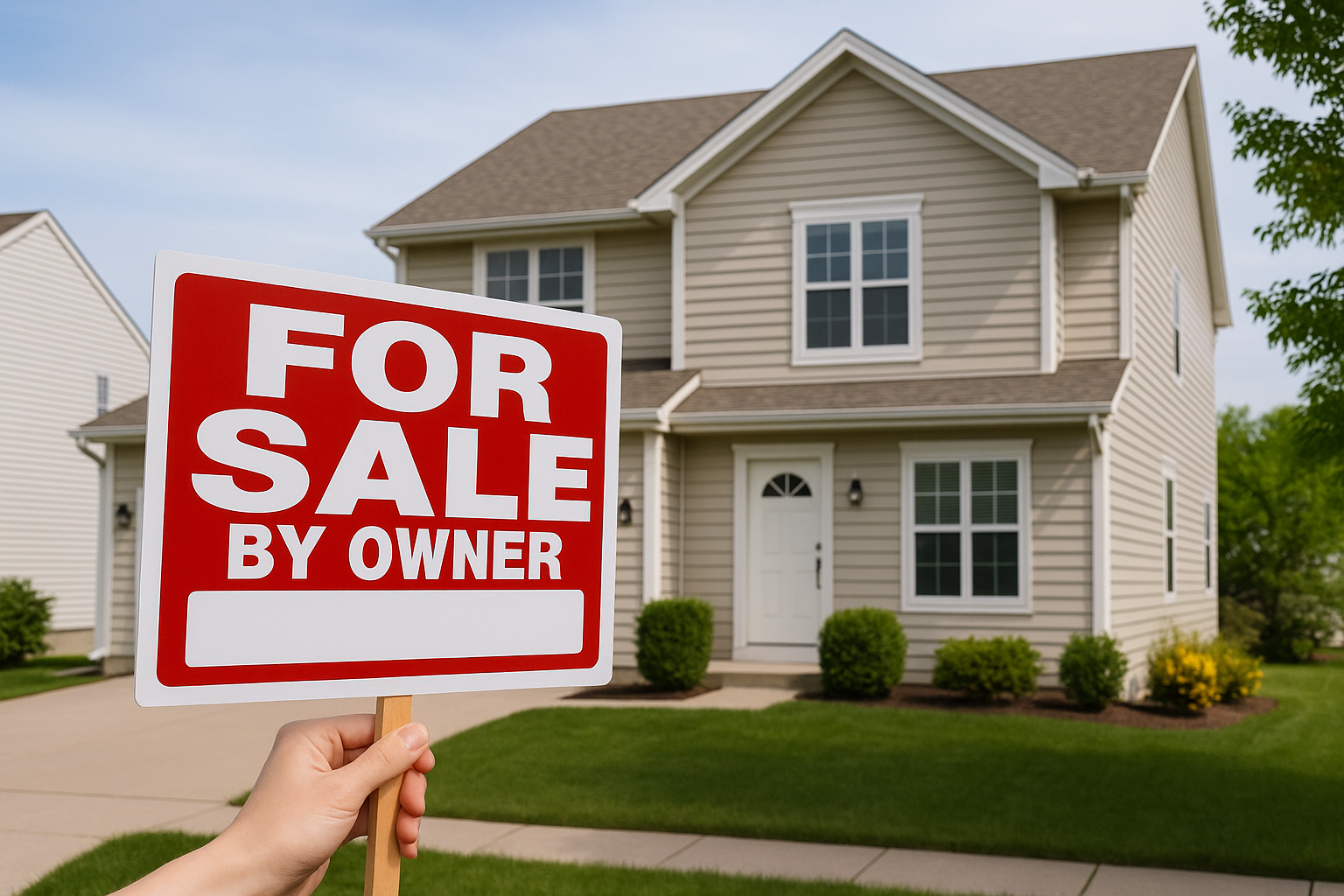
Buyers form opinions within seconds. Improving curb appeal doesn’t require a full exterior remodel—small, targeted projects can dramatically increase perceived value and speed up offers.
Front door, paint, and hardware
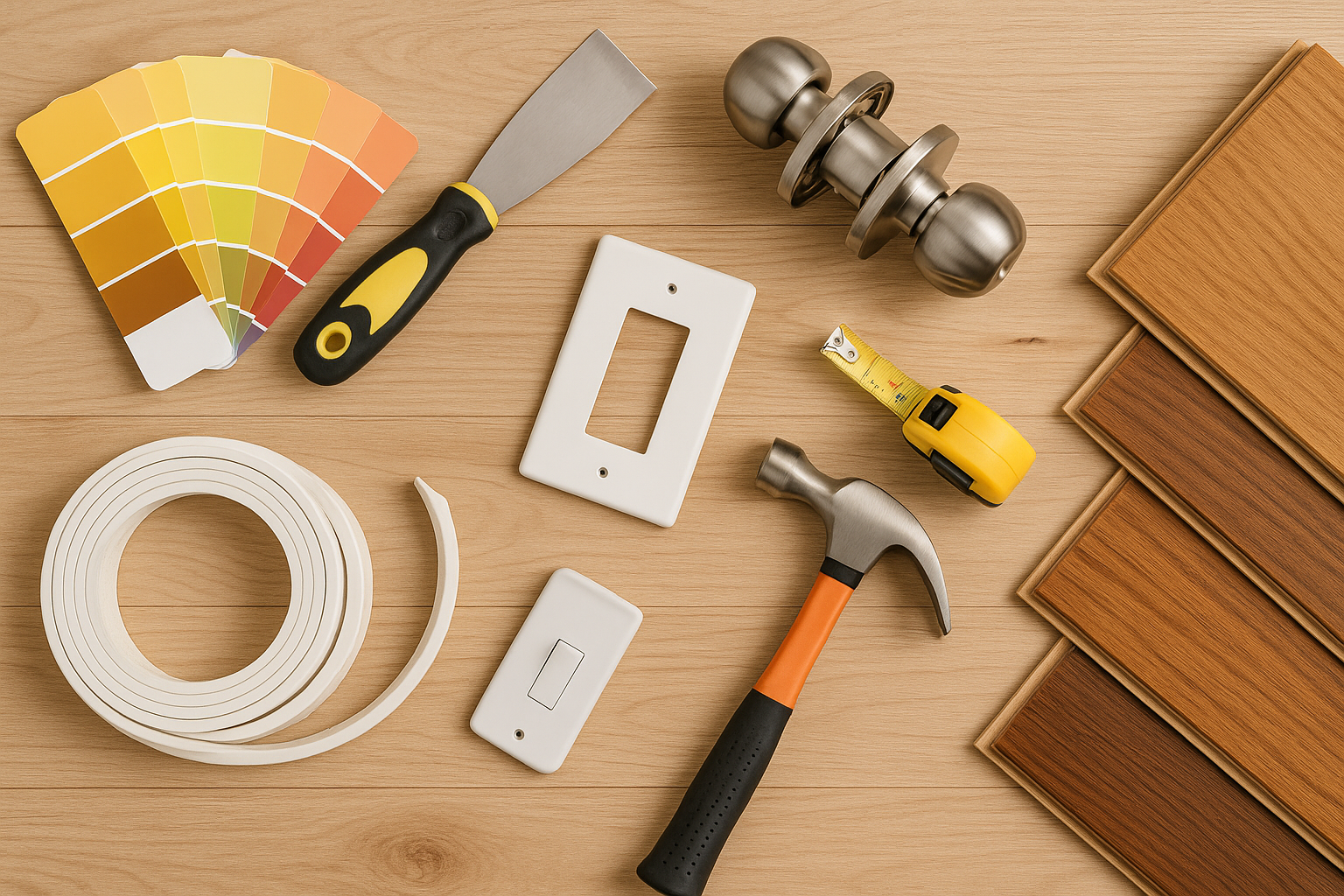
Repaint or refinish the front door in a welcoming but neutral color, replace dated hardware, and add a fresh doormat. These low-cost updates (often under $200) are high-impact.
Simple landscaping and cleanup
Trim shrubs, mow the lawn, edge beds, and add mulch or seasonal flowers. A tidy yard signals the property is well maintained. If budget allows, plant two potted accents near the entrance for instant charm.
Exterior maintenance
Power-wash siding, clean gutters, repair broken shutters, and make sure house numbers are visible and contemporary. These fixes reassure buyers and prevent lowball offers based on obvious neglect.
Quick interior updates that matter
Inside, buyers are looking for move-in readiness. Aim for improvements that are fast, affordable, and visually impactful.
Declutter, depersonalize, deep clean
Remove personal items, excess furniture, and clutter. A professional deep clean or a thorough DIY session (clean windows, baseboards, appliances) goes a long way. Decluttered rooms appear larger and let buyers envision their own lives in the space.
Fresh paint in neutral tones
Repainting walls in light, neutral colors brightens rooms and appeals to the widest range of buyers. One coat in common areas and two coats in high-traffic rooms usually does the trick.
Update lighting and hardware
Swap outdated light fixtures, replace yellowed switch plates, and upgrade cabinet knobs and faucets. These small changes modernize a home without a major investment—expect most updates to cost under $500 per room.
Kitchen and bathroom improvements
Kitchens and bathrooms sell homes. You don’t need a full renovation—targeted upgrades can offer good returns.
Small kitchen upgrades
Refinish or paint cabinets, replace hardware, install a modern backsplash, and update countertops if they are damaged. Replacing an old faucet and adding under-cabinet lighting are cost-effective fixes that elevate perceived quality.
Bathroom fixes
Deep-clean grout, re-caulk tubs and showers, replace a dated vanity or mirror, and install new lighting. Small replacements like a new toilet seat, modern towel bars, and fresh shower curtains create a fresher, more appealing space.
Flooring and small repairs
Buyers notice worn flooring and obvious defects. Address these quickly to avoid losing qualified offers.
Repair or replace flooring
Refinish hardwood where possible. For damaged carpet, consider replacing with neutral carpet or inexpensive luxury vinyl plank (LVP), which looks modern and is durable. LVP often provides strong ROI for its cost.
Fix the little things
Repair holes in drywall, tighten loose railings, fix sticking doors, and replace burned-out smoke alarm batteries. These small fixes create confidence in the home’s overall condition.
Staging to accelerate offers
Staging helps buyers visualize living in the home and can shorten days on market.
Neutral staging and layout
Arrange furniture to highlight flow and focal points. Remove oversized pieces that make rooms feel small. Add simple decor—coordinated pillows, a rug, and a few plants—to create a welcoming look.
Set the mood
Ensure good natural light during showings, add soft ambient lighting in the evening, and maintain comfortable temperatures. Subtle scents (fresh baked cookies or citrus) can make a home feel inviting.
Budgeting, timing, and ROI
Not all projects are equal. Prioritize items that increase visual appeal and address buyer concerns.
- High ROI, low cost: paint, deep clean, landscaping, minor kitchen/bath updates, new hardware.
- Moderate ROI: flooring replacement, mid-range kitchen refreshes, updated light fixtures.
- Lower ROI (consider carefully): major structural changes or luxury upgrades that may not match neighborhood comps.
Set a realistic budget and timeline: many quick improvements can be completed in a weekend or within two weeks. If you plan a larger project, coordinate timelines with your listing date so the home hits the market at peak condition.
Final tips before listing
- Get a pre-listing inspection to identify and fix deal-killing issues before buyers find them.
- Consult a local real estate agent about neighborhood expectations—don’t over-improve beyond comparable homes.
- Keep receipts and documentation for upgrades; buyers appreciate transparency and it supports your asking price.
Conclusion
Targeted, cost-effective improvements—curb appeal, neutral paint, staged spaces, and key kitchen/bath updates—can significantly shorten time on market and attract stronger offers. Prioritize visible maintenance and buyer-friendly finishes, and time projects so the home shows at its best from day one.