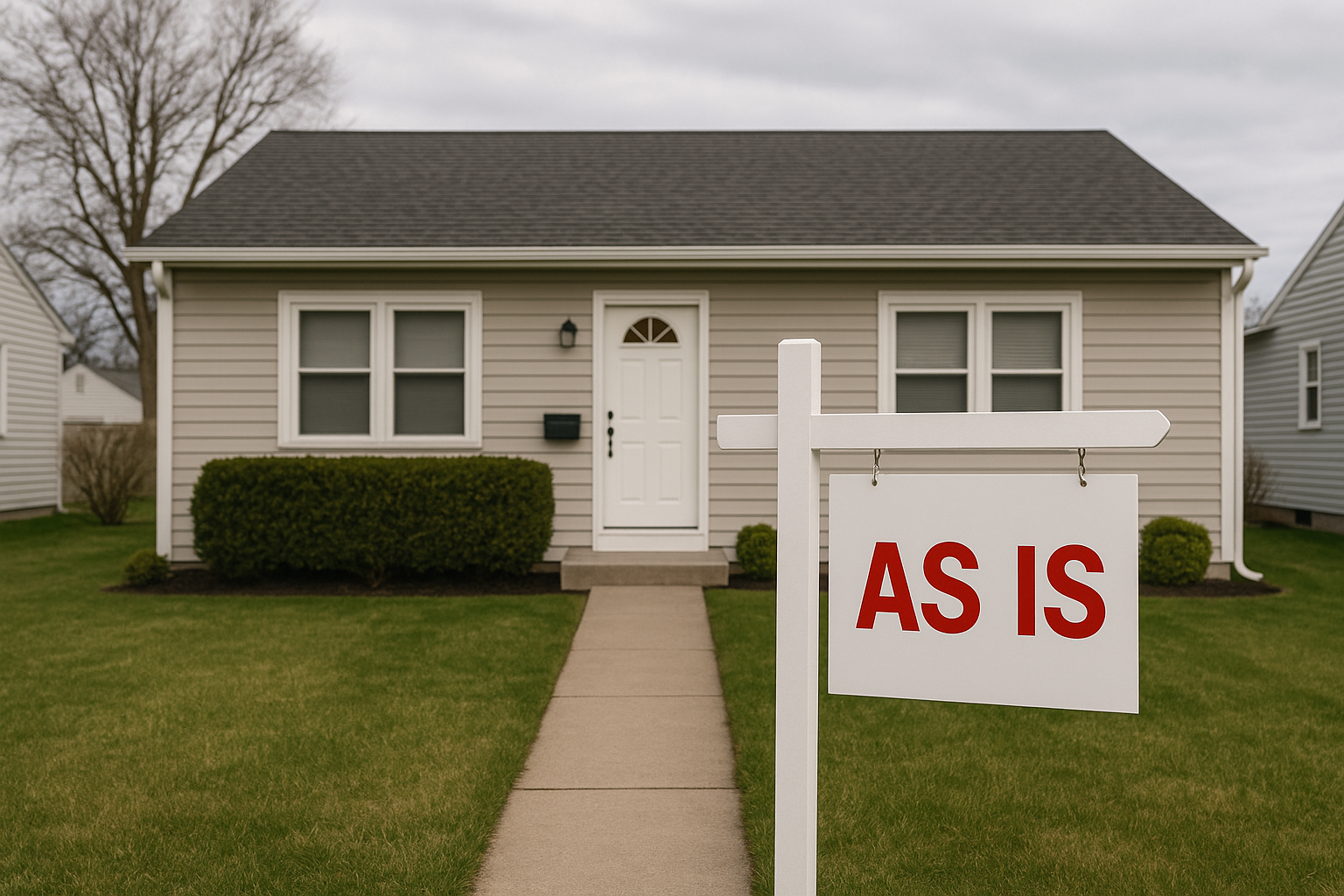
What “As-Is” Means in a Home Sale
Selling a house “as-is” generally means the seller is not willing to make repairs or improvements before closing. The property transfers in its current condition, and buyers accept responsibility for issues discovered after the sale. However, “as-is” doesn’t remove legal obligations for disclosure or prevent buyers from pursuing remedies if fraud or omission occurs.
Legal and Disclosure Obligations
State laws and local regulations determine what sellers must disclose. Selling as-is does not exempt you from disclosing known defects, past infestations, environmental hazards, or other material facts. Failure to disclose can lead to lawsuits after closing.
Common required disclosures
- Known structural or foundation problems
- Plumbing, electrical, or HVAC issues
- Pest infestations or prior termite damage
- Presence of lead paint, asbestos, or other environmental hazards
- Flooding history or prior repairs due to water damage
Inspections, Repairs, and Contingencies
Buyers typically still request inspections when purchasing as-is. A property inspection can change negotiations—buyers may ask for price reductions, credits, or walk away if the contract allows.
Pre-listing inspection
Sellers can order a pre-listing inspection to identify problems upfront. This creates transparency, helps set a realistic price, and reduces surprises during escrow. A pre-inspection report can also be shared with buyers or investors to speed up the process.
Negotiating repairs or credits
Common negotiation outcomes include repair requests, price concessions, or seller-funded credits at closing. Another option is an escrow holdback where funds are placed in escrow to cover agreed repairs after closing.
Pricing and Marketing Strategy
Pricing an as-is property correctly is crucial. Buyers expect a discount to cover repair costs and the perceived risk of unknown issues.
How to price for condition
- Get comparative market analysis (CMA) that factors in condition differences
- Estimate repair costs conservatively—obtain contractor bids if possible
- Consider pricing slightly above investor comps if you want some negotiation room
Marketing to the right buyers
Not every buyer is a fit. Market the home to investors, flippers, or cash buyers if major repairs are required. For smaller, cosmetic issues, highlight potential to owner-occupant buyers looking for a renovation project.
Financing and Buyer Types
Financing can be a major factor in as-is sales. Lenders have minimum property standards and may refuse mortgages on homes with safety or structural concerns.
Cash buyers and investors
Cash buyers or investor purchasers are often the fastest and most reliable option for as-is homes. They typically perform fewer contingencies, accept more risk, and can close quickly.
Mortgage financing issues
If a buyer needs a mortgage, the lender may require certain repairs before funding. This can complicate or delay the sale. Sellers who want a faster close may prefer buyers who can waive lender-required repairs or offer cash.
Negotiation Tips and Contract Terms
Clear contract language reduces misunderstandings. Specify what “as-is” covers and any seller disclosures or exclusions. Consider these items during negotiation:
- Include an explicit disclosure addendum listing known issues
- Decide if you’ll provide seller concessions or credits instead of fixing items
- Use escrow holdbacks for agreed repairs completed after closing
- Set definite timelines for inspections and repair negotiations to avoid delays
Reducing post-sale risk
Obtain a written pre-listing inspection, make full disclosures, and consult an attorney if uncertain. These steps help defend against future claims that you concealed material facts.
Working with Professionals
Hire a real estate agent experienced with as-is sales, and consider legal counsel to review contracts and disclosure forms. A good agent can identify suitable buyer pools, craft marketing that sets expectations, and negotiate effectively on your behalf.
Practical Timeline and Closing
Expect a slightly different timeline depending on buyer type. Cash sales can close in days to a few weeks; financed sales often take longer due to lender requirements. Plan for flexibility and maintain open communication to address inspection findings and documentation promptly.
Tips for Sellers and Buyers
- Sellers: Be transparent, price realistically, and consider a pre-sale inspection to strengthen your position.
- Buyers: Always get an inspection, understand the scope of necessary repairs, and factor repair costs into your offer.
- Both parties: Use clear contract language and consult professionals to limit legal and financial risk.
Conclusion
Selling or buying a house as-is can streamline a transaction but brings unique risks. Proper pricing, full disclosure, informed inspections, and working with experienced professionals help protect both buyers and sellers and lead to smoother closings.