Understanding “As-Is” Home Sales
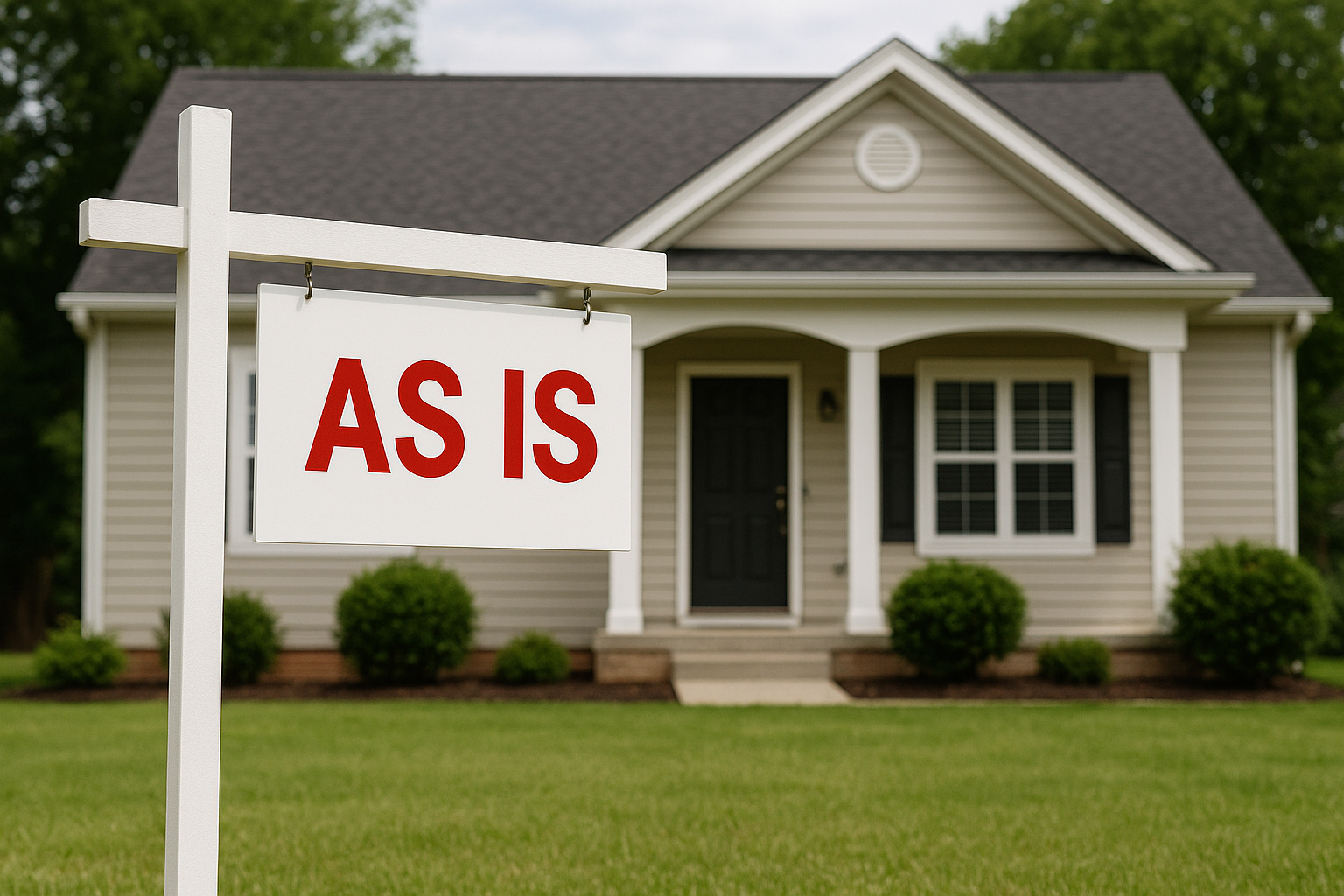
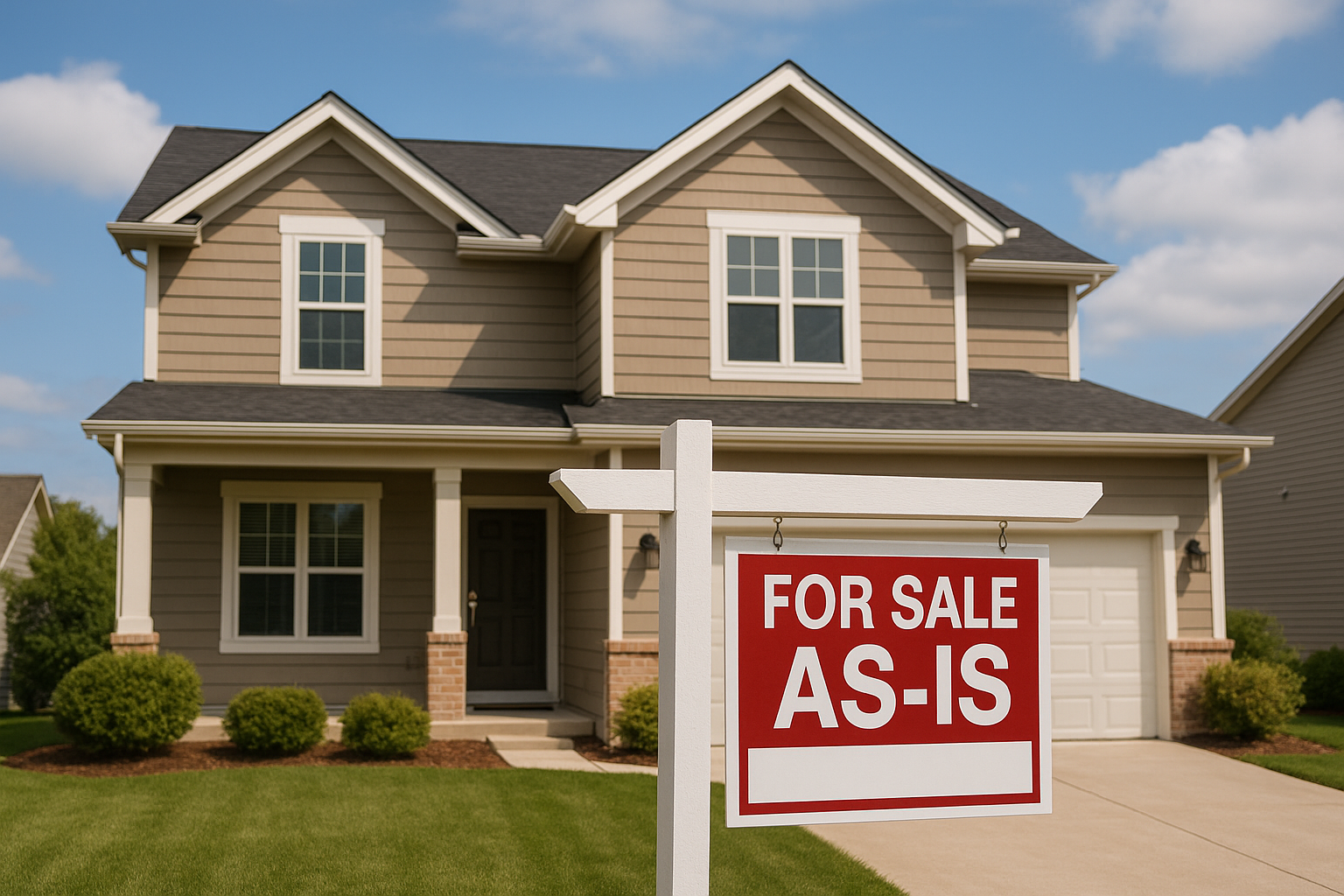
Selling a home “as-is” means you offer the property in its current condition, without making repairs or upgrades for the buyer. This route can save time and money, but it also changes how buyers view the property and how you should approach pricing, marketing, and negotiations. With the right strategy, you can still get a solid offer and a smooth closing.
What “As-Is” Means for Sellers
When you sell as-is, you’re signaling that you won’t be responsible for repairing defects or making improvements before closing. That doesn’t exempt you from legal disclosure obligations; you must still be honest about known issues. Expect buyers to request inspections and to factor repair costs into their offers.
Common Buyer Expectations
Buyers considering as-is properties often fall into three categories: investors and flippers who plan to renovate, cash buyers seeking a bargain, and budget-conscious owner-occupiers willing to take on work. Understanding which group you’ll attract helps tailor your marketing and negotiation strategy.
Preparing Your Home (Even When Selling As-Is)
Even if you’re not making repairs, preparation matters. A few low-cost actions can improve first impressions and reduce buyer concerns.
Declutter and Deep Clean
Remove personal items, excess furniture, and clutter so buyers can see the home’s potential. A thorough clean makes the property feel better maintained and can increase perceived value, even if there are structural or cosmetic issues.
Document Repairs and Disclosures
Create a clear disclosure packet listing known issues, past repairs, and any warranties or permits. Being upfront builds trust and reduces surprises that could derail a sale. Include receipts or contractor contacts when available.
Pricing Strategies for As-Is Properties
Pricing an as-is home requires balancing market realities with the cost and inconvenience buyers will face. An accurate price can attract offers while protecting your bottom line.
Get a Realistic Market Comparison
Work with an experienced agent to prepare a comparative market analysis (CMA) that includes other as-is or fixer listings. Look at recent sales of similar condition homes, not just turnkey properties, to avoid overpricing.
Factor in Repair Costs and Risk
Estimate repair costs using inspections or contractor quotes, then subtract that from comparable market value. Also consider the buyer’s risk: unknown problems reduce what buyers will pay. Price to reflect both expected repairs and a margin for unknowns.
Marketing Your As-Is Home Effectively
Clear, honest marketing will bring the right buyers and cut down on wasted showings. Focus on transparency and the property’s potential.
Highlight Potential and Transparency
Use listing descriptions to emphasize strengths like lot size, layout, location, or original details that appeal to renovators. Include high-quality photos, and consider a floor plan. Be upfront about condition to attract buyers prepared to act on as-is deals.
Choose the Right Listing Channels
Investors often search on specific platforms and work with agents who handle fixer properties. List on MLS with as-is language, promote to local investor groups, and consider auctions or investor-friendly real estate networks if you want a fast sale.
Negotiation Tips and Closing Considerations
Negotiations on as-is homes often revolve around price, inspection contingencies, and closing timelines. Flexibility and clear terms help close deals quickly.
Be Clear About Terms
Decide in advance which contingencies you’ll accept. Many sellers of as-is homes refuse repair requests but may accept an inspection contingency with a limited repair cap. Put clear language in your listing and contract to prevent back-and-forth delays.
Consider Cash Buyers and Investors
Cash buyers and investors usually close faster and have fewer financing contingencies. They will often offer below market, but the speed and certainty can be worth it—especially if you want to avoid carrying costs or uncertain repairs. Compare offers for net proceeds and closing timelines, not just the headline price.
Bonus Tips
- Obtain a pre-sale inspection: Knowing issues upfront helps with pricing and negotiations.
- Get multiple offers: A quick marketing push can create bidding pressure and improve your outcome.
- Work with an agent experienced in as-is sales: They’ll know local investor networks and buyer expectations.
Conclusion
Selling a home as-is can be efficient and practical when you set realistic expectations, price correctly, and market to the right buyers. With transparency, good documentation, and the right partners, you can close faster and with fewer headaches while maximizing your proceeds.