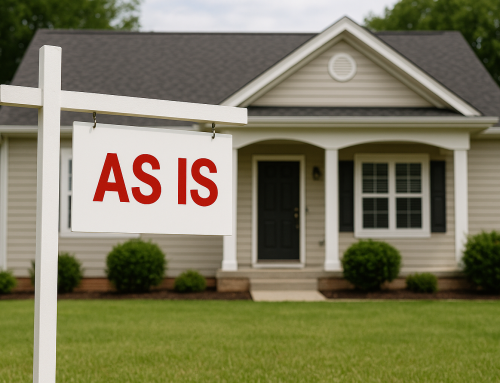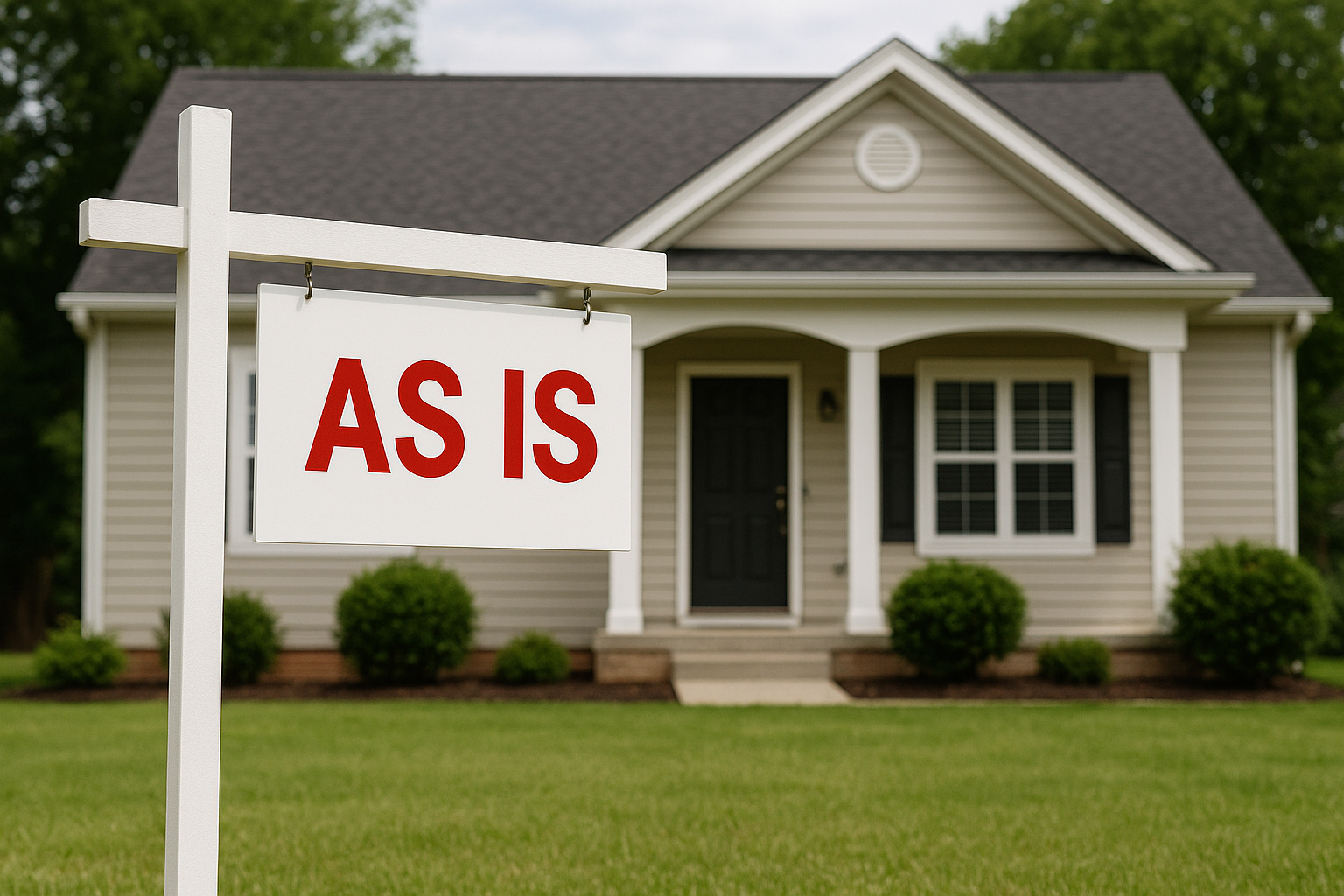
What is an As-Is Sale?
An as-is sale means a seller offers a property in its current condition, without making repairs or improvements before closing. Buyers purchase the home knowing it may need work; in return, sellers often expect a quicker transaction and fewer upfront costs. While appealing in many situations, as-is sales carry trade-offs that every seller should understand.
Pros of Selling As-Is
1. Save Money on Repairs
One of the biggest advantages is avoiding the often substantial expense of fixing problems. Whether it s a leaky roof, outdated systems, or cosmetic issues, sellers don t have to invest time or cash to bring the property up to market standards.
2. Faster Sales Timeline
As-is properties are attractive to investors and cash buyers who can move quickly. Eliminating repair negotiations and lengthy contractor schedules often shortens the path to closing, which is useful for sellers who need to relocate fast, settle an estate, or resolve financial pressure.
3. Less Hassle and Stress
Selling as-is reduces the logistical headaches of arranging and supervising repairs, dealing with contractors, and staging. For owners who lack the capacity or desire to manage projects, as-is offers a simpler route.
4. Clear Market Positioning
Marketing a home as-is signals to a segment of buyers—investors, flippers, and handy homeowners—that it s a potential value opportunity. This can attract competitive cash offers if positioned correctly.
5. Useful for Complicated Situations
Inherited properties, those with title issues, or homes in flood zones are often better sold as-is. It s a practical choice when repairs won t meaningfully increase saleability or when time and funds are limited.
Cons of Selling As-Is
1. Lower Sale Price
Buyers typically factor repair costs into their offers, so as-is homes often sell for less than comparable fixed-up properties. Expect to receive offers below market value adjusted for condition.
2. Fewer Buyers and Financing Hurdles
Many buyers rely on mortgages that require certain standards before a loan is approved. Lenders may deny financing for homes with major deficiencies, narrowing the pool to cash buyers or investors—and reducing competition.
3. Risk of Deal Falling Through
Even in as-is transactions, buyers usually request inspections. If inspectors uncover major issues, buyers may back out or demand credits, leading to renegotiation or lost time.
4. Potential Legal Exposure
Declaring a sale as-is does not allow sellers to hide known defects. Most jurisdictions require disclosure of material issues. Failing to disclose known problems can lead to post-sale litigation and financial liability.
5. Appraisal Challenges
If a buyer uses financing, appraisers may value the home lower due to condition, which can derail a mortgage-dependent offer and push the seller back to the market.
When an As-Is Sale Makes Sense
Consider an as-is sale when you need speed, lack funds for repairs, are selling an inherited or investment property, or when the cost of repairs outweighs potential value gains. It s also reasonable if the local market has a strong investor presence that competes for fixer properties.
How to Prepare for an As-Is Sale
Preparation improves outcomes even when selling as-is:
- Obtain a pre-listing inspection to identify issues and set realistic pricing.
- Provide full disclosure documentation to reduce legal surprises later.
- Clean and declutter to maximize perceived value; small cosmetic fixes can be low-cost and high-impact.
- Target marketing to investors and cash buyers who understand as-is purchases.
Negotiation Tips and Legal Considerations
Use these practical strategies to protect yourself and secure the best possible deal:
- Price realistically: research comparable as-is sales and be willing to accept a lower but certain offer.
- Be transparent: full disclosure reduces the risk of post-sale disputes and builds buyer trust.
- Consider offering a home warranty: this can alleviate buyer concerns about immediate repairs and sometimes justifies a higher offer.
- Limit contingencies carefully: reducing repair contingencies can speed deals, but be mindful of legal obligations and buyer protections.
- Consult professionals: a real estate agent experienced with as-is sales and a real estate attorney help navigate local disclosure laws and contract language.
Conclusion
Selling a property as-is can be a practical, time-saving option that avoids repair costs and appeals to investors, but it generally means accepting a lower sale price and potential legal risks. With realistic pricing, transparent disclosures, and the right professional guidance, many sellers find as-is transactions an effective way to close a challenging situation quickly and cleanly.