Prepare Your Home
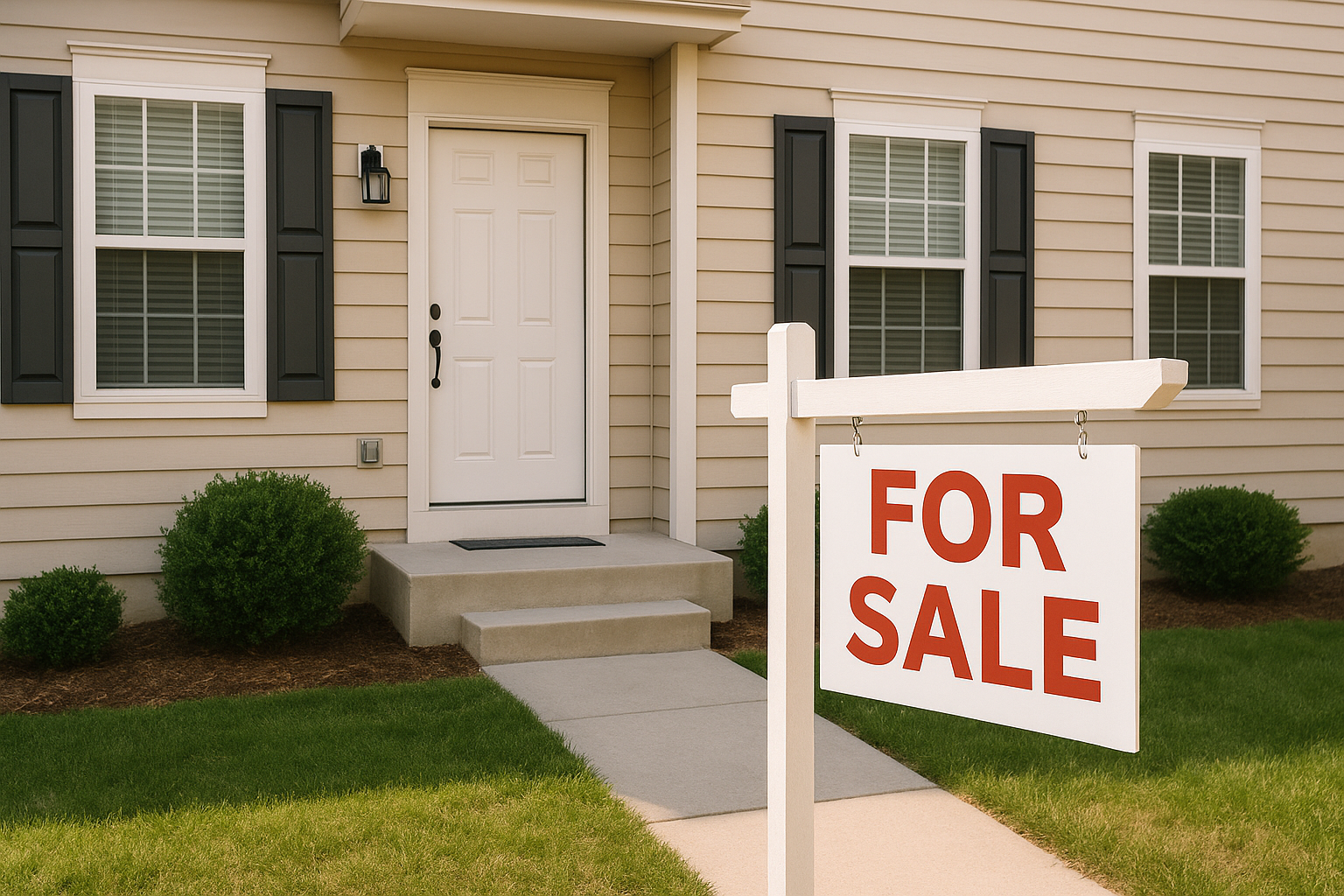
Selling a house starts long before the for-sale sign goes up. The goal in this stage is to make your property appealing to the widest pool of buyers while minimizing surprises during inspections and appraisals.
Assess condition and make essential repairs
Walk through your home with a buyer’s mindset or hire a pre-listing inspector. Fix obvious issues—leaky faucets, damaged roofing, faulty wiring, and broken windows. Small investments in repairs often pay off through higher offers and smoother closings.
Declutter, depersonalize, and stage
Remove excess furniture and personal items so buyers can imagine themselves in the space. Consider professional staging or follow simple staging tips: create clear traffic flow, highlight focal points, and keep décor neutral and inviting.
Boost curb appeal and deep clean
First impressions matter. Tidy landscaping, a fresh mailbox, pressure-washed siding, and a clean entryway set a positive tone. Inside, deep-clean carpets, windows, and kitchens to show your home at its best.
Set the Right Price
Price is one of the most important decisions you’ll make. Price too high and you may sit on the market; price too low and you leave money behind.
Research local market and comparable sales
Look at recent sales of similar homes in your neighborhood (size, age, condition). Pay attention to price per square foot, days on market, and seasonal trends.
Get a professional opinion
Ask a real estate agent for a comparative market analysis (CMA) or consider a licensed appraisal. Professionals can spot nuances—like location-specific demand or unique features—that affect value.
Choose a pricing strategy
- Competitive pricing to attract multiple offers
- Price slightly above market if you expect negotiations
- Be prepared to adjust quickly if the home lingers
Choose How to Sell
Select the selling method that fits your timeline, budget, and comfort level with paperwork and negotiations.
Hire a real estate agent
Agents provide market expertise, marketing, negotiation skills, and transaction management. Interview several, check references, and review commission structures.
For Sale By Owner (FSBO)
Consider FSBO to save on commissions, but be prepared for extra work: pricing, marketing, showings, contracts, and legal requirements. Many sellers find success with partial professional help (e.g., legal review).
Alternative options
Discount brokers, flat-fee MLS services, and cash buyers each have pros and cons. Evaluate speed vs. price and read contracts carefully.
Market Your Property
Effective marketing increases exposure and the chance of competitive offers.
Professional photos and compelling listing
High-quality photos are essential—most buyers start online. Write a clear, benefit-focused description and highlight unique features like recent upgrades, energy-efficient systems, or neighborhood amenities.
Use multiple channels
List on the MLS, popular real estate sites, social media, and local classifieds. Consider virtual tours or short video walkthroughs for buyers who can’t visit in person.
Host open houses and private showings
Coordinate open houses and make showings easy and flexible. Keep staging maintained and establish a system for feedback from attendees.
Negotiate and Handle Offers
Offers trigger negotiations on price, closing timeline, contingencies, and inclusions. Respond promptly and strategically.
Review offers thoroughly
Look beyond the offer price: examine contingencies (financing, inspection), earnest money, proposed closing date, and buyer qualifications.
Negotiate wisely
Counteroffers can improve terms without losing a buyer. Consider including appliances or making minor concessions to close a deal quickly.
Manage inspections and repairs
Expect a buyer inspection. Decide in advance which repairs you’ll handle and which you’ll negotiate. Providing receipts or warranties for recent work can reassure buyers.
Close the Sale
The closing process finalizes the transaction with paperwork, title transfer, and funds exchange.
Meet closing conditions
Address lender and title company requirements, provide requested documents, and coordinate any final repairs or credits agreed upon during negotiation.
Final walk-through and closing day
The buyer typically does a final walk-through to confirm agreed-upon repairs and that the home is in specified condition. On closing day, sign documents, confirm fund transfers, and hand over keys.
Conclusion
Selling a house is a series of deliberate steps: prepare the property, determine a smart price, choose the right selling method, market effectively, negotiate thoughtfully, and close carefully. With preparation and the right team, you can sell faster and for a better price while minimizing stress.