Prepare Your Home
Declutter, Clean, and Repair
Buyers decide quickly whether a home is right for them. Start by removing excess furniture, personal items, and clutter so rooms look larger and more inviting. Deep clean every room, including carpets, windows, and light fixtures. Make a prioritized list of small repairs—fix leaky faucets, replace broken tiles, tighten cabinet hinges, and patch holes in walls. These inexpensive fixes build buyer confidence and can speed up the sale.
Neutralize and Depersonalize
Neutral colors and minimal personal decor help buyers envision themselves living in the space. Consider repainting bright or personalized walls in soft, neutral tones and removing family photos and unique collectibles. Keep décor simple and tasteful to appeal to the widest pool of buyers.
Boost Curb Appeal
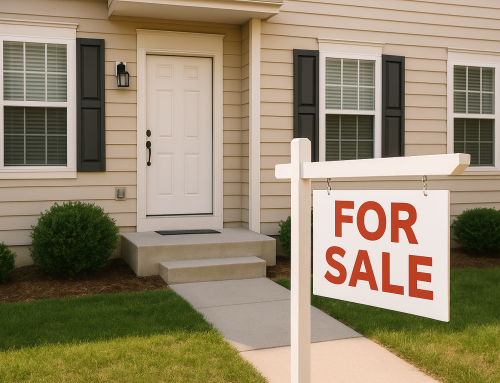
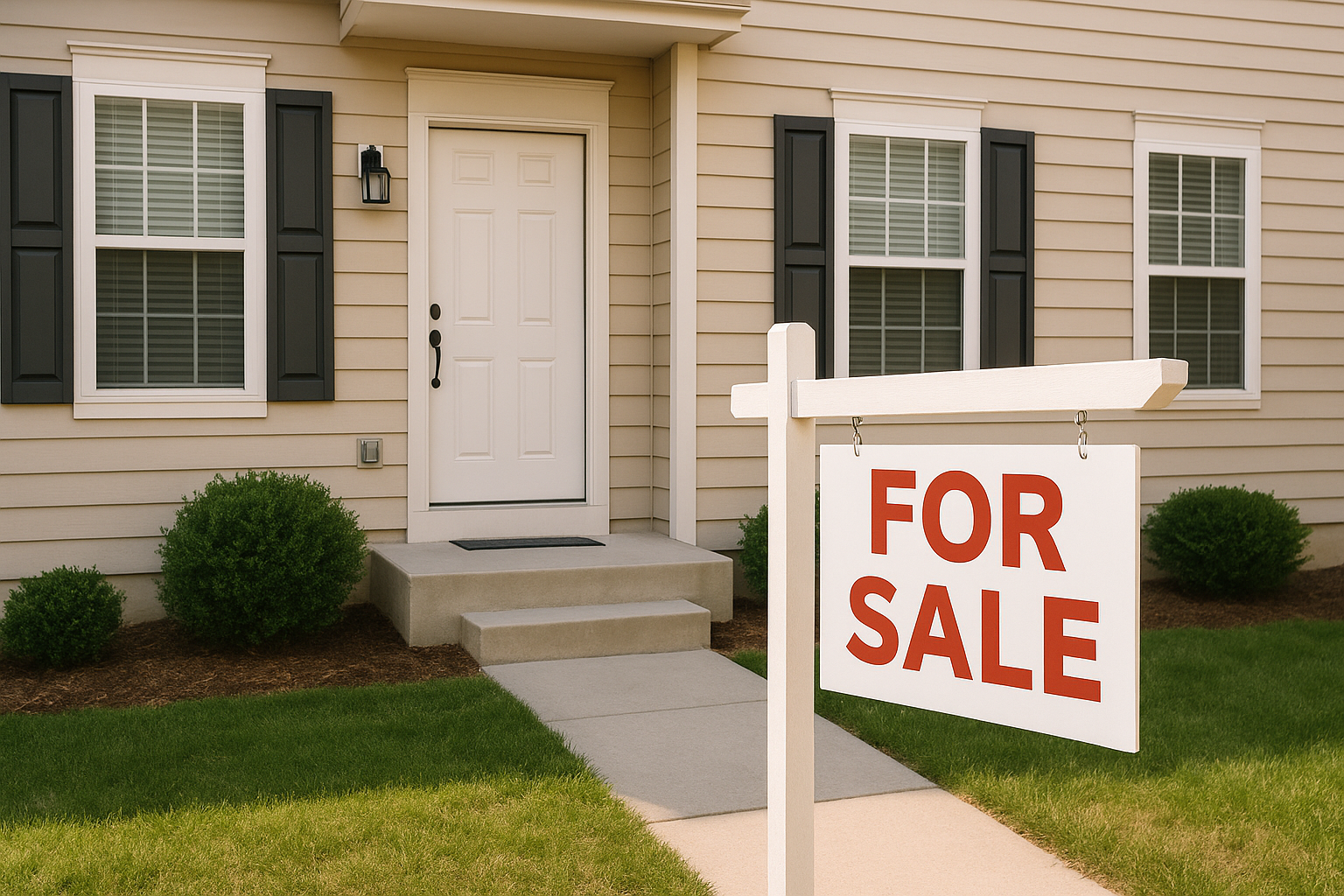
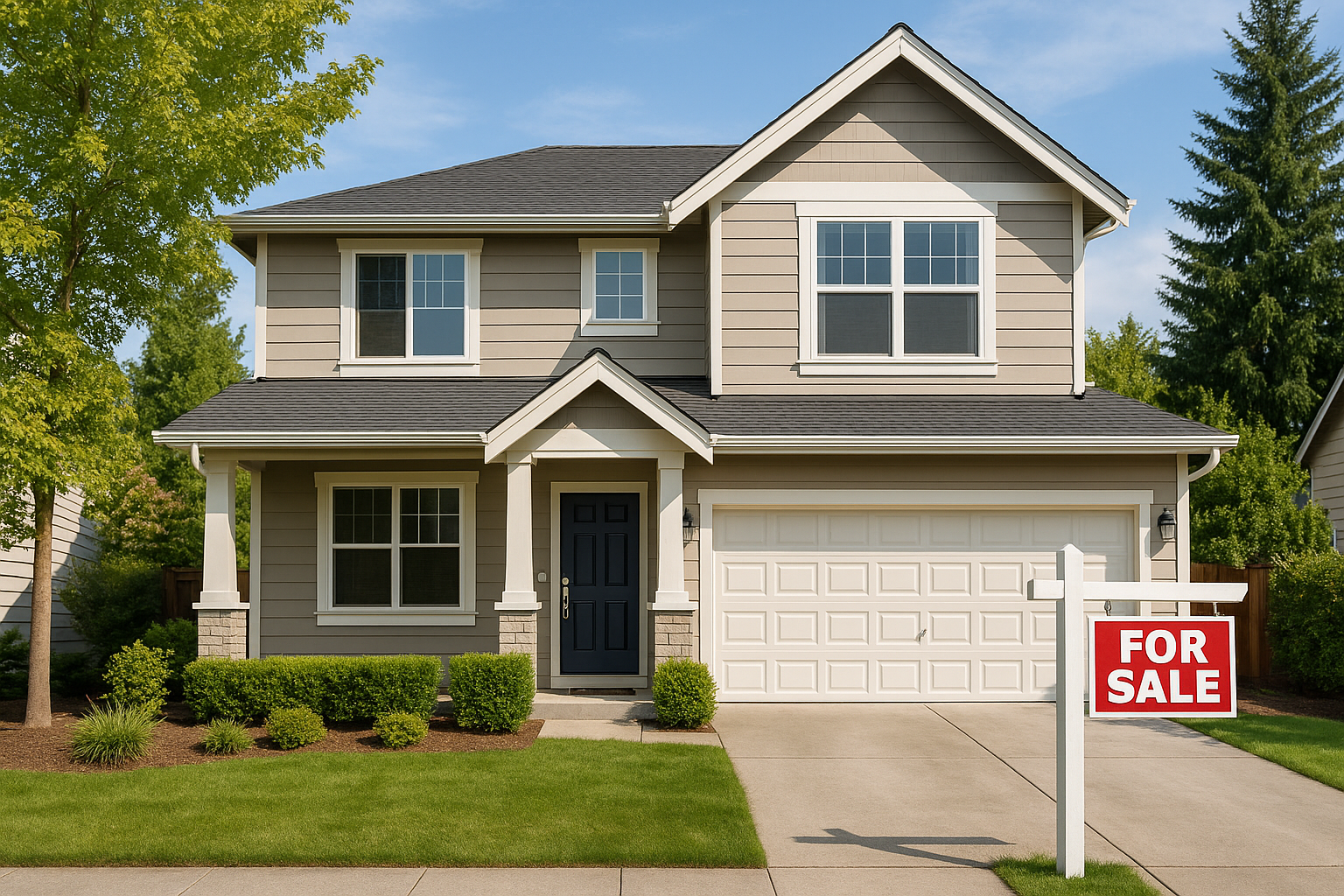
The first impression starts outside. Mow the lawn, trim hedges, power wash siding, and add fresh mulch or seasonal flowers. Replace a worn welcome mat, clean the front door, and ensure the house number and exterior lighting are visible and attractive. These small investments can significantly increase interest.
Price It Right
Do a Comparative Market Analysis
Work with a real estate agent or research recent sales in your neighborhood to understand market value. Look at homes similar in size, age, and condition. Pricing based on recent comparable sales is more reliable than relying on online estimates alone.
Choose a Strategic Pricing Strategy
Overpricing can scare off buyers and lead to long market times, while underpricing may leave money on the table. Consider pricing competitively to attract multiple offers, especially in a seller’s market. Be prepared to adjust the price if showings and feedback suggest it’s necessary.
Stage to Impress
Professional vs. DIY Staging
Staging helps buyers visualize living in the home. If your budget allows, hire a professional stager who knows how to highlight flow and focal points. If DIY, simplify rooms, arrange furniture to maximize space, and use neutral accents. Focus on key areas: living room, kitchen, master bedroom, and the entryway.
Invest in Great Photography
Online photos are often the first exposure buyers get to your home. Hire a real estate photographer or use a high-quality camera and good lighting. Showcase wide-angle shots, bright rooms, and exterior images taken on a clear day. Consider twilight photos for curb appeal and floor plans for more detailed listings.
Market Smartly
Create Compelling Listings
Write clear, benefit-driven descriptions emphasizing unique selling points—recent upgrades, energy-efficient systems, neighborhood amenities, and commute times. Use a strong headline and include accurate details about size, bedrooms, baths, and key features.
Leverage Online and Offline Channels
List on major real estate sites and social media platforms. Use targeted ads to reach the right demographic. Don’t overlook traditional methods: open houses, printed brochures, and networking with local agents. The broader and more consistent your exposure, the better the chance of finding the right buyer.
Showings and Negotiations
Be Flexible and Prepared for Showings
Make it easy for buyers to tour your home—flexible showing windows increase the likelihood of offers. Keep the home tidy and staged, and have a plan to leave during showings so buyers feel comfortable exploring the space. Provide clear information about utilities, upgrades, and recent maintenance.
Handle Offers and Counteroffers Strategically
Respond promptly and thoughtfully to offers. Evaluate not just price but contingencies, closing timeline, financing, and buyer qualifications. Your agent can help compare offers and craft counteroffers that protect your interests while keeping the deal moving forward.
Timing and Legal/Financial Preparation
Choose the Right Time to List
Spring and early summer are traditionally active selling seasons, but local market conditions matter most. If you need to sell quickly, price and presentation will outweigh seasonality. Discuss timing with your agent to align with local demand.
Get Paperwork and Inspections Ready
Have key documents organized: property disclosures, recent repair receipts, warranties, and a copy of the survey if available. Consider a pre-listing inspection to identify and address issues before buyers find them—this can reduce surprises and streamline negotiations.
Conclusion
Selling a home means balancing preparation, pricing, presentation, and timing. Focus on decluttering and repairs, price competitively, stage thoughtfully, and market broadly. With the right strategy and a bit of preparation, you can sell faster and maximize your return.