Why staging matters
Staging a home for sale is more than just making it look pretty — it helps buyers imagine living there. Homes that are staged often sell faster and for higher prices because they photograph better, stand out online, and create emotional connections during showings. Thoughtful staging highlights a property’s strengths and downplays flaws, giving buyers a clearer sense of each space’s purpose and potential.
Pre-staging checklist
Clean and declutter
Start with a deep clean. Sparkling surfaces and tidy rooms make an immediate positive impression. Remove excess items from countertops, clear out closets to show storage space, and limit furniture to create a sense of openness. Rent a storage unit if necessary to remove bulky or personal items until after the sale.
Repairs and neutral updates
Fix visible issues like leaky faucets, cracked tiles, sticky doors, and scuffed baseboards. Apply a fresh coat of neutral paint to walls with bold or outdated colors — soft grays, warm beiges, and off-whites appeal to a broad audience. Replace burned-out bulbs and consider upgraded light fixtures in key areas for a modern feel.
Depersonalize and stage for the buyer
Remove family photos, religious items, and political decor. Buyers should be able to picture themselves in the home, and depersonalizing helps them do that. Keep tasteful, neutral decor that suggests a lifestyle without being specific to the current owner.
Room-by-room staging tips
Living room
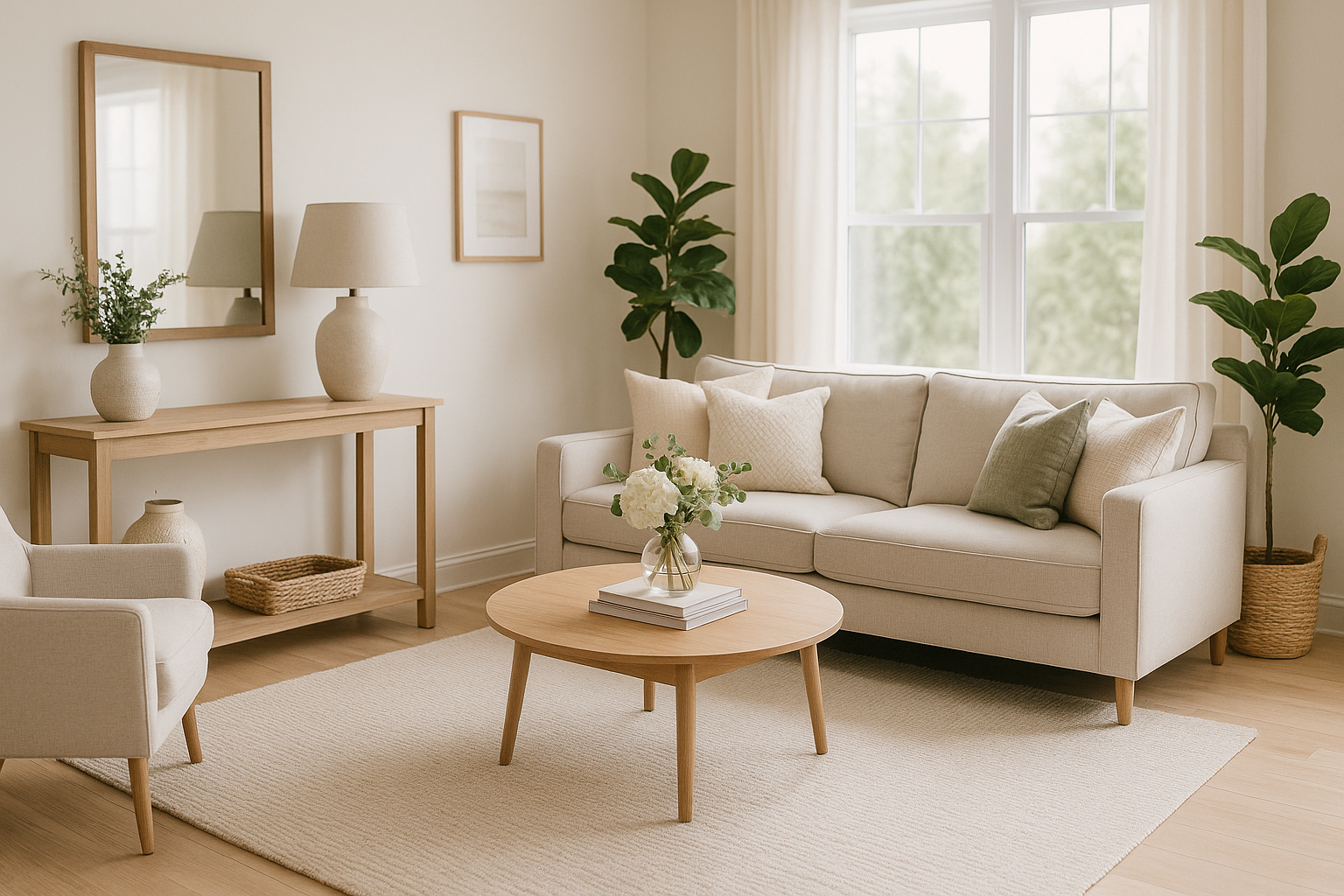
Create a welcoming focal point, such as a well-styled mantel, an attractive area rug, or a neatly arranged sofa with complementary throw pillows. Arrange seating to encourage conversation and show traffic flow. Keep surfaces minimal — a couple of books, a plant, and a tray are enough.
Kitchen
Clear countertops of appliances and clutter; a clean, open counter conveys functionality and space. Stage a small bowl of fruit or a cutting board with a few fresh items. Ensure cabinets and appliances are spotless. If the kitchen is small, demonstrate organized storage by partially opening a pantry or cabinet to showcase accessibility.
Primary bedroom
Make the bed with crisp, neutral linens and add two matching nightstands with simple lamps. Remove excess furniture to make the room feel more spacious. Keep closets organized; prospective buyers often look inside to evaluate storage.
Bathrooms
Polish fixtures, replace moldy grout, and ensure mirrors are streak-free. Display folded towels, a small plant, and a scented candle or diffuser for a spa-like impression. Hide personal items like toothbrushes and toiletries.
Home office and flex spaces
Define the room’s purpose. If you have a small office, stage it with a compact desk and neat accessories to show it works as a functional workspace. For flex spaces, offer a clear suggestion — a reading nook, a play area, or a guest room — depending on the market you’re targeting.
Curb appeal and exterior staging
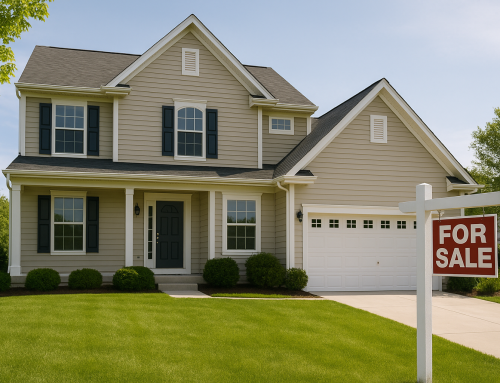
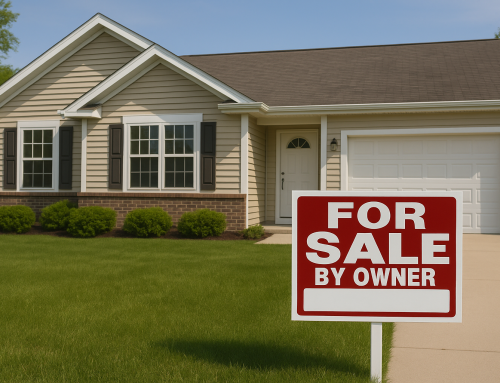
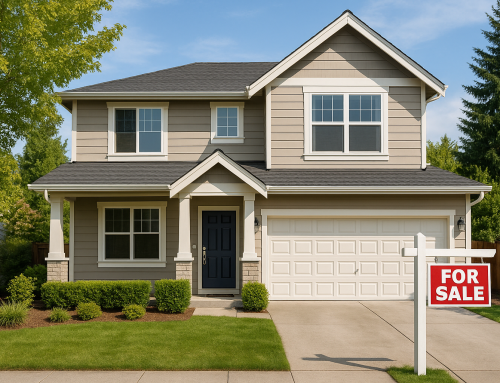
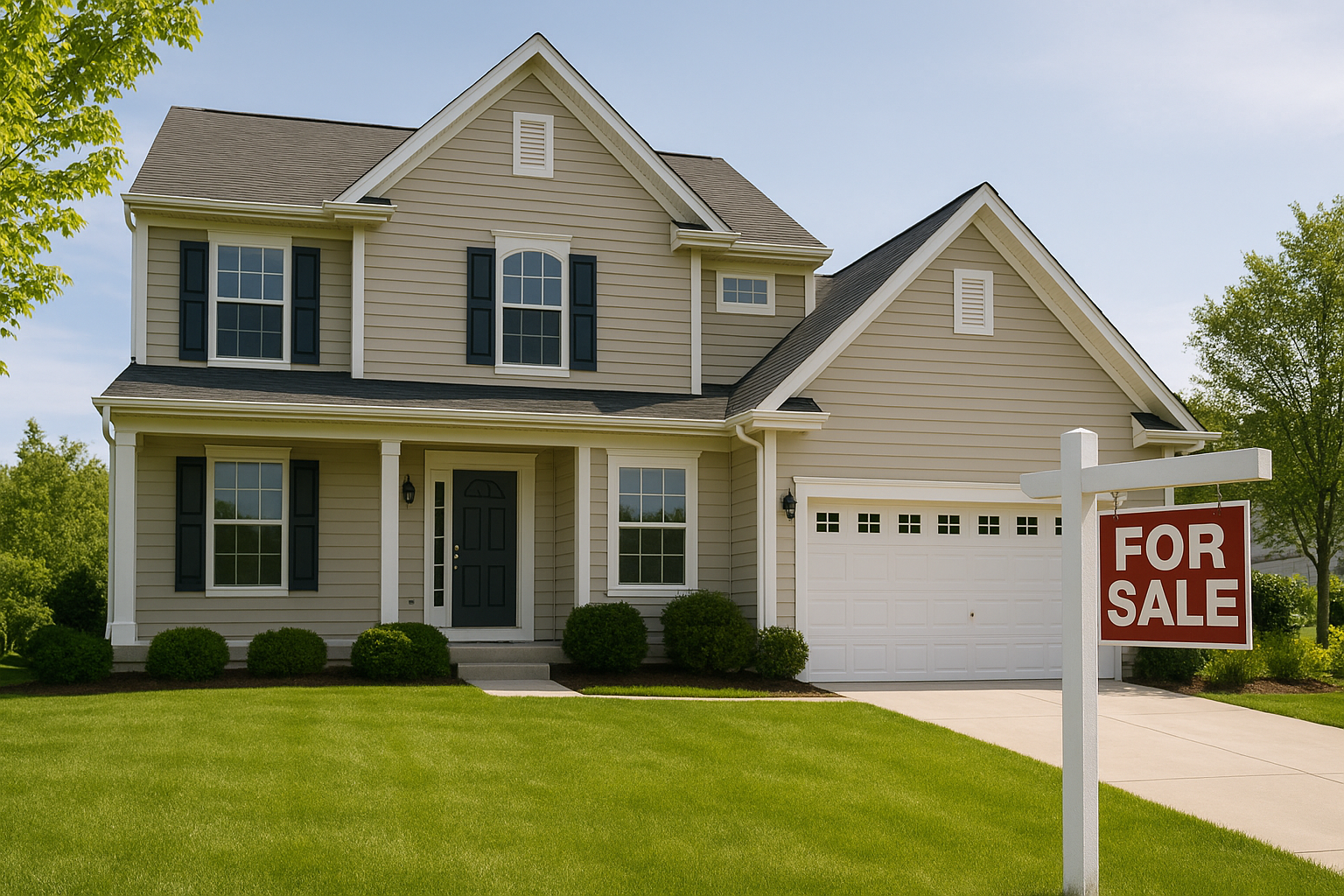
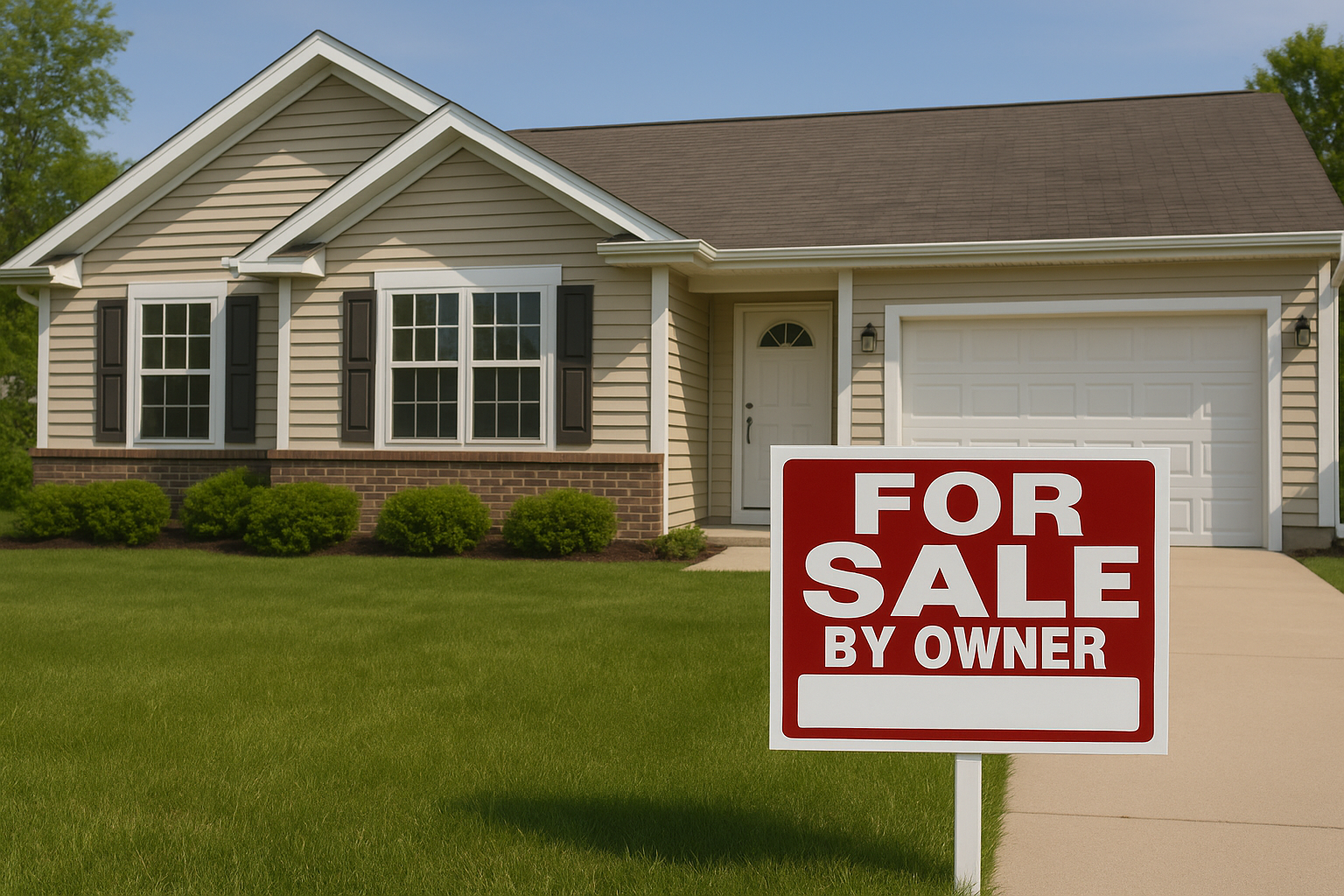
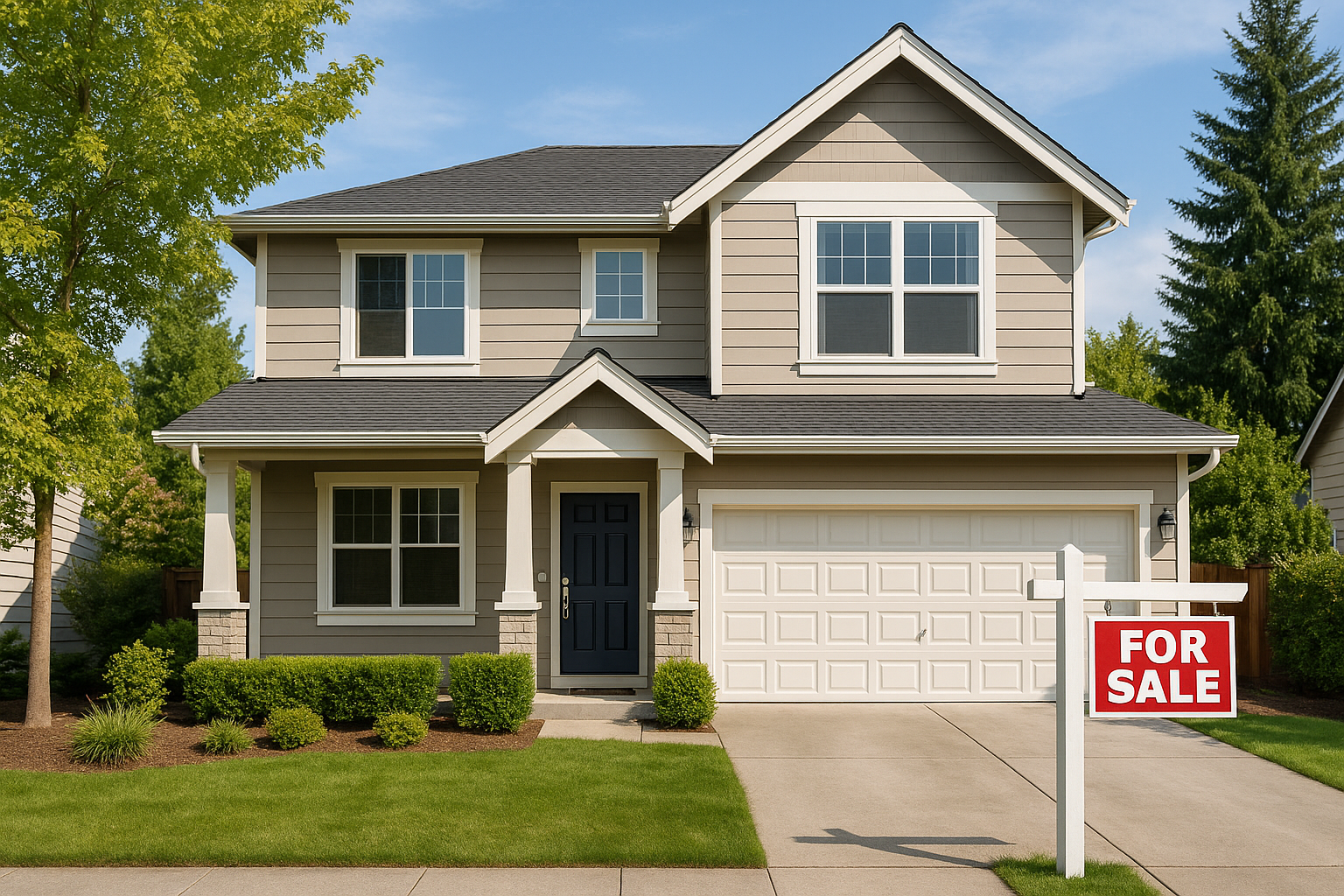
First impressions begin at the curb. Mow the lawn, trim hedges, and add fresh mulch or potted plants to the entry. Paint or replace a worn front door, update hardware, and ensure the porch light works. A tidy walkway and welcoming entry set the tone for the entire showing.
Final touches and showing day tips
On show days, open curtains to let in natural light, turn on all interior lights for warmth, and set the thermostat to a comfortable temperature. Use subtle scents like fresh-baked cookies or a mild diffuser; avoid overpowering fragrances. Leave flyers or a one-page sheet highlighting recent upgrades and utility costs. Finally, keep pets and their bowls out of sight, and remove any strong signs of current occupation.
When to hire a professional stager
If you’re short on time or unsure how to maximize space, a professional stager can be a smart investment. Stagers have access to furniture, decor, and an eye for layout that can transform a property quickly. Consider a consultation if your home has unusual layouts or you need help targeting buyers in your local market.
Measuring success and ROI
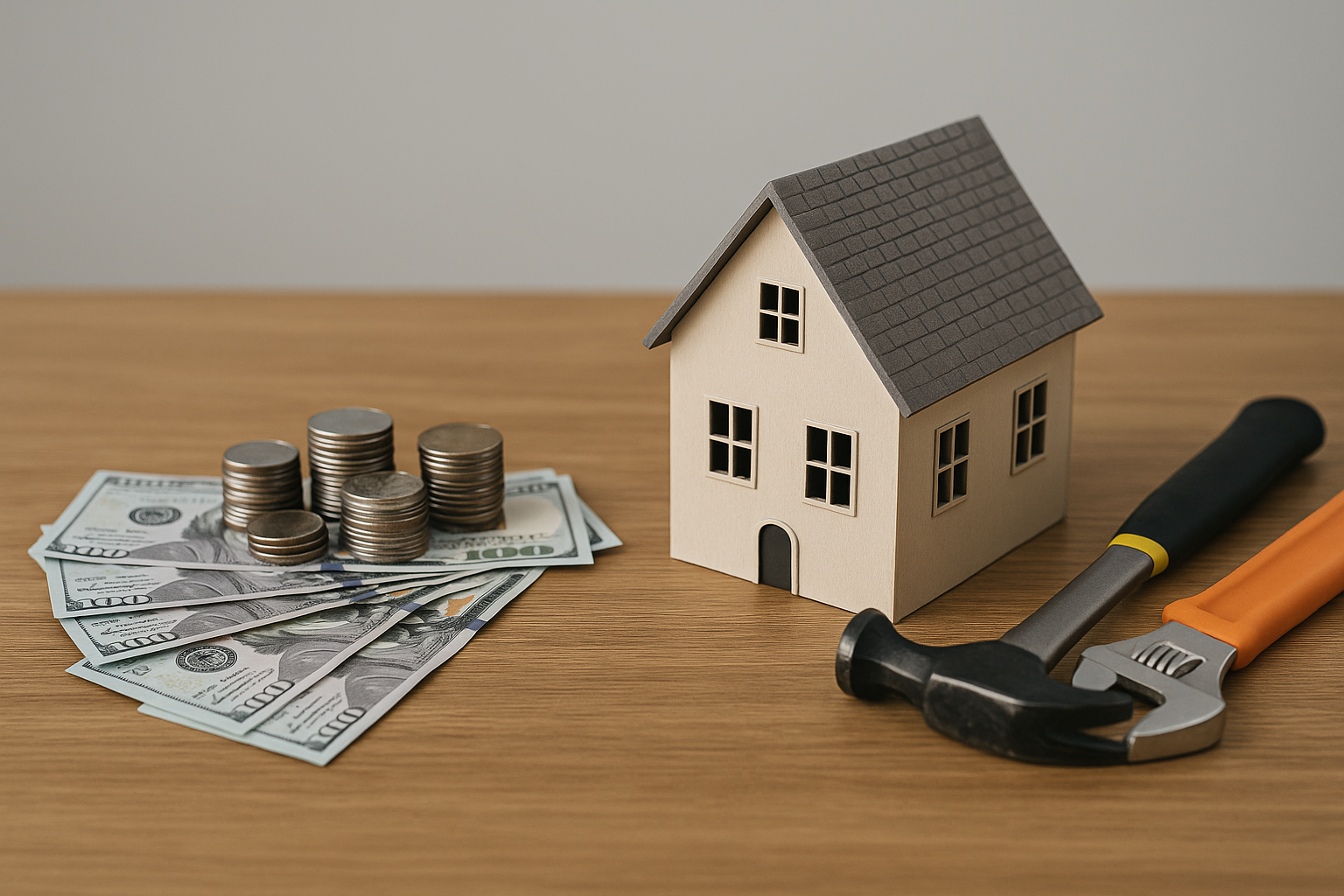
Track the effect of staging by comparing market feedback, days on market, and offers before and after staging efforts. Many sellers find that modest staging expenses pay off through faster sales and stronger offers, especially in competitive markets.
Conclusion
Staging a home for sale is a strategic blend of cleaning, decluttering, small updates, and thoughtful styling. Focus on neutralizing spaces, emphasizing light and flow, and presenting each room with a clear purpose. Even simple changes can make a big difference in buyer perception and the final sale price.