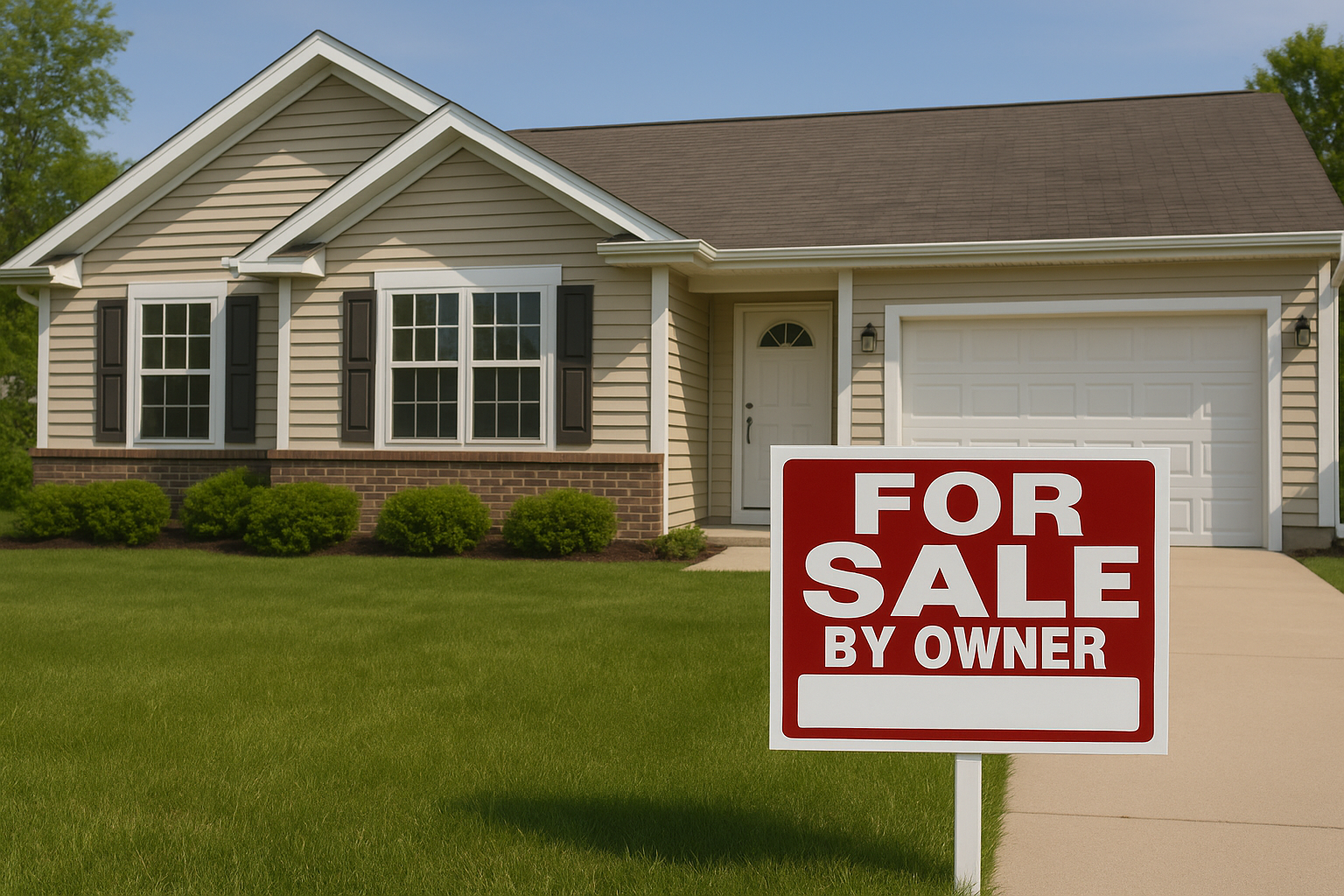
When is the best month to sell a home?
If you want a short answer: late spring to early summer—typically May and June—tends to be the best time to sell a home in many markets. Those months often produce the highest buyer activity, faster sales, and stronger prices. That said, the ideal month for you depends on local trends, your personal timeline, and how prepared your home is for market.
Why timing matters
Timing affects more than just how long your home stays on the market. It impacts the number of competing listings, buyer motivation, and the type of offers you’ll receive. Key factors that make timing important include:
- Buyer demand: Warmer months bring more house hunters out, helping drive competition.
- School calendars: Families prefer to move during summer break to minimize disruption.
- Seasonal curb appeal: Spring landscaping and summer light make homes look their best.
- Inventory cycles: Fewer homes for sale in winter can reduce competition, but also lower demand.
Month-by-month breakdown
This simplifies common seasonal patterns. Local markets can vary, so check recent sales data in your area or consult a local agent.
January
Cold months mean fewer buyers but also fewer sellers. Serious buyers are often motivated and may make strong offers—but you’ll likely sell more slowly.
February
Similar to January but with a slight uptick in activity as people get serious about spring moves. Good for sellers who want less competition and are willing to wait for the right buyer.
March
Buyer traffic starts to pick up. Early spring listings can capture buyers beginning their search; pricing and presentation are crucial.
April
Demand increases as weather improves and gardens bloom. Homes listed now often get quick interest and strong showings.
May
One of the best months to sell. High buyer demand, strong curb appeal, and families looking to close before summer make May a prime time for competitive offers.
June
Also excellent—longer days help showings, and many buyers want to complete moves before the new school year. Expect faster sales and multiple-offer situations in hot markets.
July
Still strong in many areas but can slow slightly as families take vacations. Pricing aggressively and keeping flexible showing times helps maintain momentum.
August
Activity starts to taper as the school year approaches. Serious buyers remain active, but inventory may increase if other sellers list before fall.
September
Another good window—buyers who delayed house hunting over summer return. Competition is moderate, and motivated buyers are often focused on closing before year-end.
October
Cooler temperatures and fall colors can make a home cozy, but buyer numbers decline compared to spring. Good for sellers who prioritize fewer showings over top-dollar bidding wars.
November
Holiday prep reduces buyer activity. Sellers who list now often face less competition, but offers may come from a smaller, more serious pool.
December
Lowest overall activity, but buyers who search in December are typically highly motivated. You might sell quickly if priced right, though offers may be below peak spring values.
Practical tips to maximize timing
- Prepare early: Repairs, decluttering, and staging months ahead let you list at the peak month without rushing.
- Watch local data: Look at recent sale-to-list times and median closing prices by month for your ZIP code.
- Be flexible: If you see a market opportunity—low inventory or rising prices—consider listing even outside the typical window.
- Price strategically: Correct pricing attracts more showings and can create bidding competition, especially in May–June.
- Work with an agent: A local agent can time the listing, marketing push, and open houses to match buyer behavior in your area.
How personal circumstances affect timing
Your best month might not align with market peaks. If you need to relocate for a job, manage financial pressures, or coordinate a purchase and sale, those constraints may override seasonal advantages. In many cases, good preparation and a smart pricing strategy will deliver excellent results outside the traditional “best” months.
Conclusion
Overall, May and June are often the best months to sell for most sellers because of buyer demand, family moving cycles, and seasonal appeal. However, local market trends and your personal situation can change that answer. Focus on readiness—repairs, staging, and pricing—and consult local market data or a trusted agent to choose the perfect time for your home.