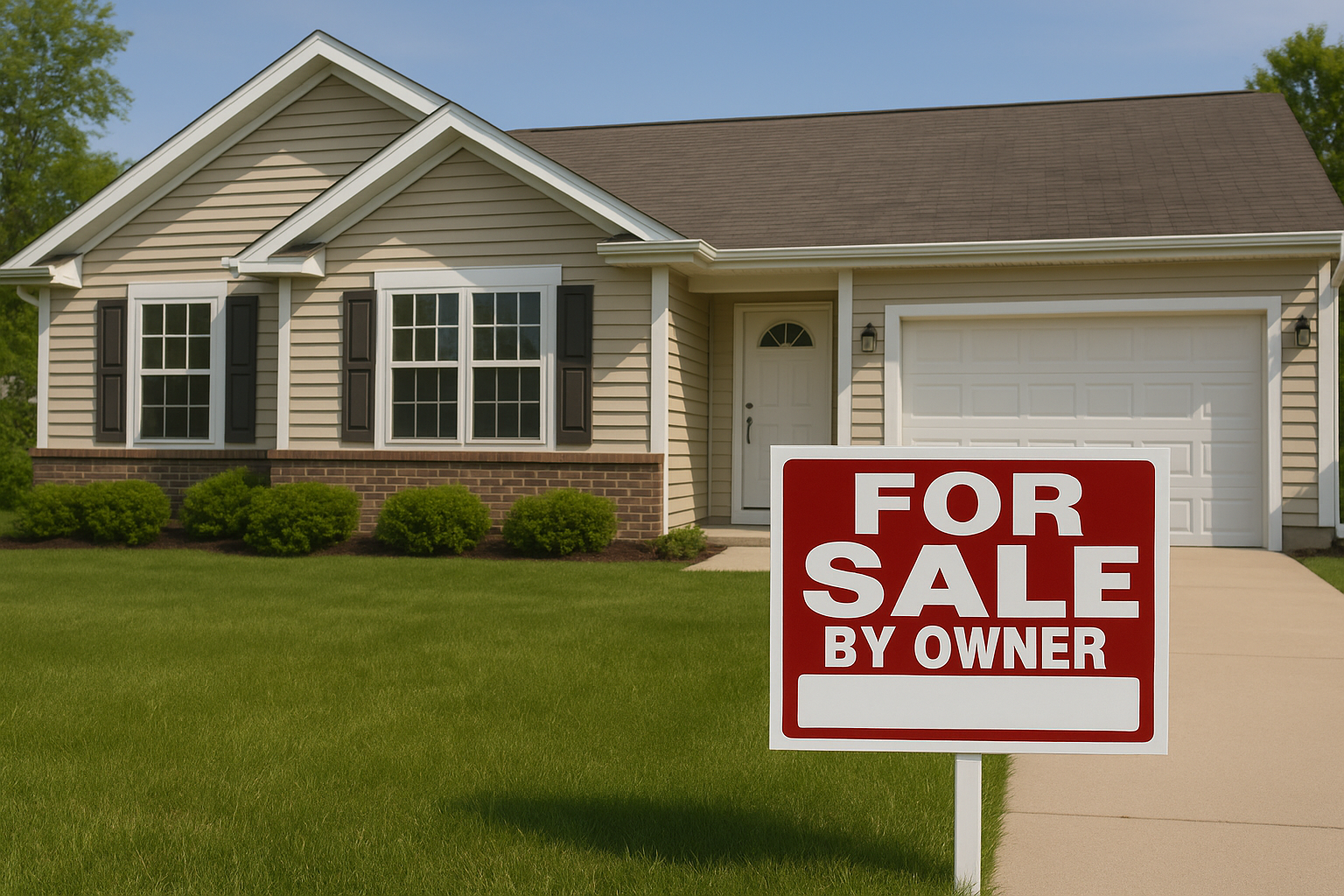
Why choose For Sale By Owner (FSBO)?
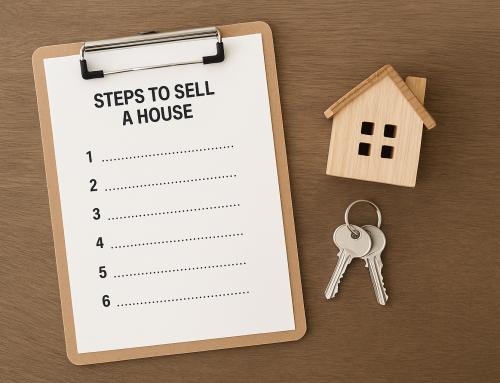
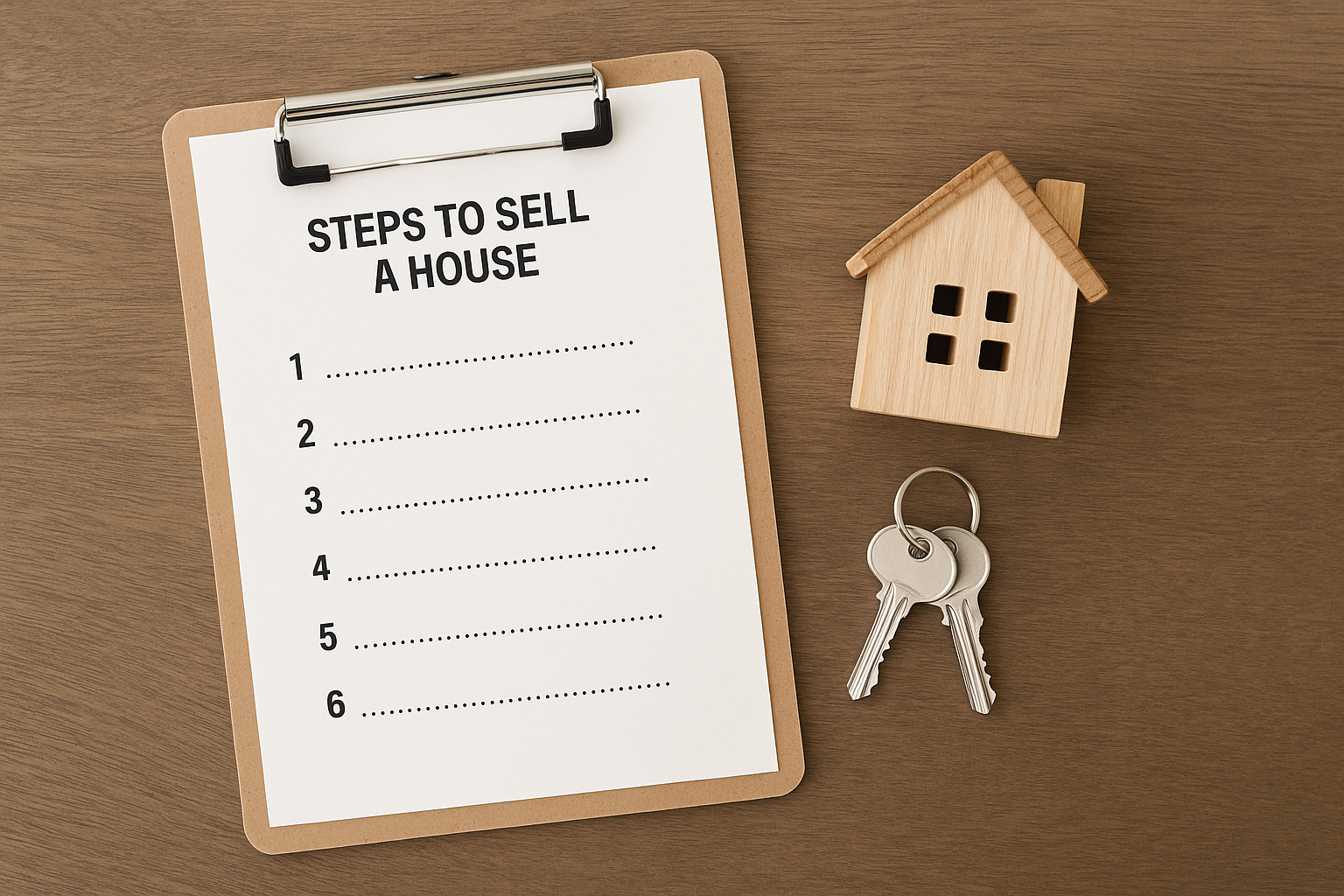
Selling your home yourself can save thousands in commission fees and give you full control over the process. But FSBO also requires time, organization, and an understanding of the market and legal steps. This guide walks you through the essential tips to sell confidently and efficiently.
Understand the FSBO process
Research the local market and pricing
Start by studying recent comparable sales (comps) in your neighborhood—homes with similar size, age, and features sold within the last 3–6 months. Use online listing sites for a preliminary look, but verify sale prices through county records or MLS access where possible. Correct pricing is critical: overpricing lengthens time on market, while underpricing can leave money on the table.
Know the legal and paperwork basics
Laws vary by state, but all transactions require accurate disclosure documents and legally binding contracts. Familiarize yourself with required seller disclosures, lead-based paint rules (if applicable), and any state-specific forms. Consider consulting a real estate attorney for document preparation or review to ensure compliance and to protect yourself legally.
Prepare your home to sell
Declutter, deep clean, and stage
A tidy, neutral environment helps buyers imagine themselves in the space. Remove personal items and excess furniture, clean thoroughly, and complete a few strategic staging touches—fresh towels, neutral bedding, and minimal décor. If staging budget allows, hire a professional stager for high-impact rooms like the living room and master bedroom.
Make cost-effective repairs and boost curb appeal
Address obvious maintenance issues (leaky faucets, broken tiles, peeling paint). Focus on improvements that yield a strong return: fresh exterior paint, trimmed landscaping, pressure-washed walkways, and well-lit entryways. Small investments often increase perceived value and lead to better offers.
Price it right
Use comparables and a pricing strategy
Set a competitive price based on comps, market conditions, and how quickly you want to sell. In a hot market you might price slightly below comps to generate multiple offers; in a slower market, price realistically to attract serious buyers. Revisit pricing if the home receives little interest after a couple of weeks.
Market like a pro
Create high-quality photos and listing copy
Great photos are the single most important marketing tool. Hire a professional photographer or use a quality camera and good lighting. Write a clear, benefit-focused description highlighting unique features, recent upgrades, neighborhood amenities, and the practical details buyers care about (square footage, beds/baths, lot size).
Use online platforms, social media, and signage
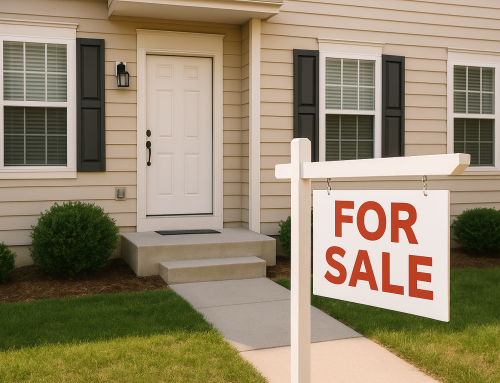
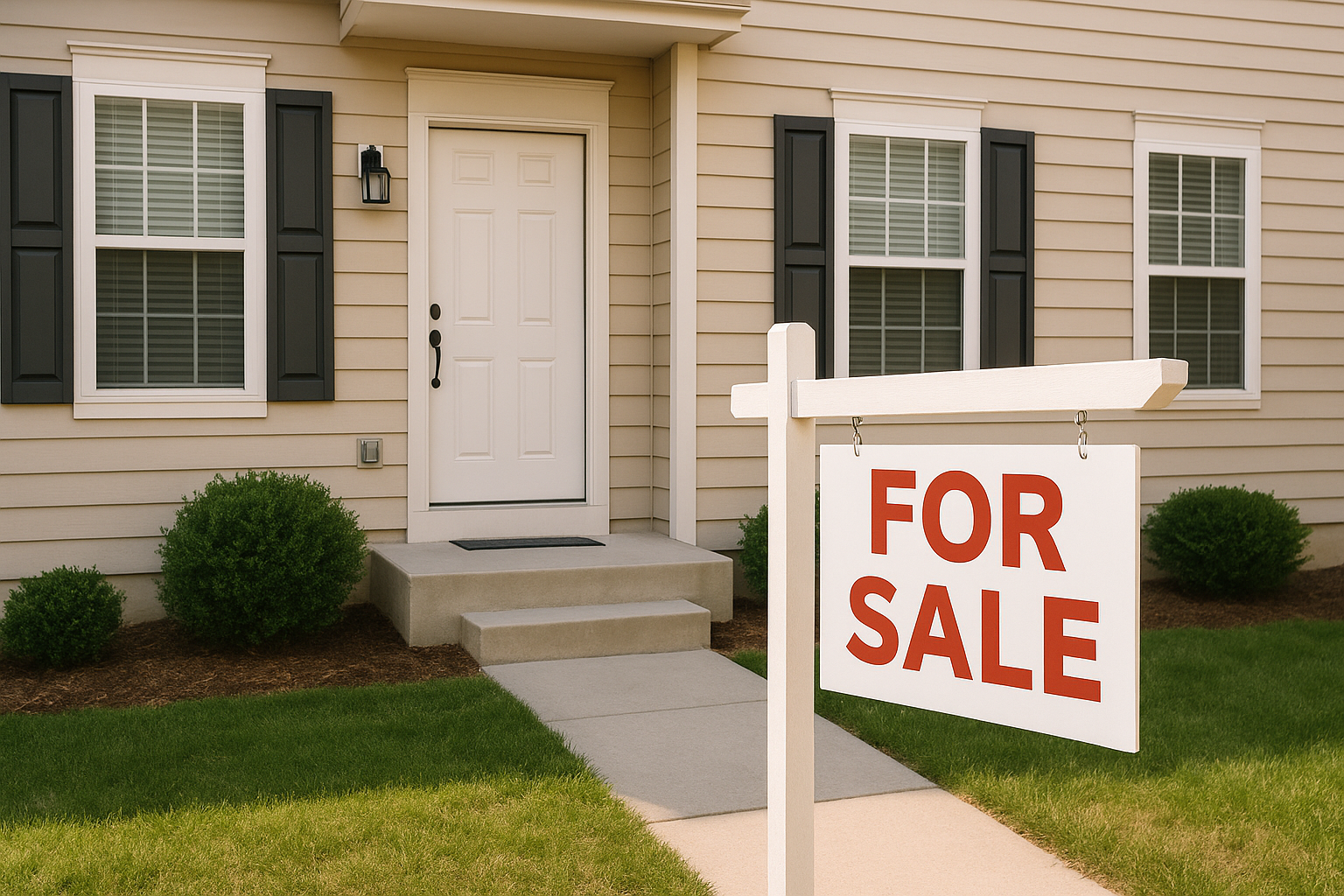
List on major FSBO-friendly sites and local classifieds, and consider flat-fee MLS services to reach agent-brokered buyers. Promote on social media, neighborhood groups, and community boards. Don’t underestimate a well-placed yard sign with clear contact info and a link or QR code to your online listing.
Manage showings and open houses
Prioritize safety and scheduling
Pre-screen interested buyers when possible and require ID for solo visits. Use a scheduling app to avoid conflicts and to keep showings organized. If staying during a showing, be unobtrusive and answer questions honestly but briefly.
Present the home during showings
Ensure the home is bright, smells fresh, and feels inviting. Leave a one-page information sheet with key facts, utility costs, and recent upgrades so buyers have takeaways that reinforce the value of your home.
Negotiate offers and handle inspections
Review offers carefully
Evaluate offers beyond price: consider contingencies, closing timeline, buyer financing, earnest money, and who pays closing costs. You can counteroffer or accept terms that best align with your priorities. Keep negotiations professional and document all changes in writing.
Prepare for inspections and potential repairs
Inspections are standard. Be ready to negotiate repairs or offer credits. If you’ve pre-inspected the home, share the report with buyers to reduce surprises and speed up negotiations.
Closing and legal considerations
Use a title company or real estate attorney
Most states require a title search and a closing agent. Title companies or attorneys handle escrow, title insurance, and document recording. Their involvement helps ensure a clean transfer of ownership and can prevent post-closing disputes.
Understand closing costs and transfer details
As the seller, expect certain costs—prorated property taxes, outstanding utility bills, and any agreed seller concessions. Review the final settlement statement carefully before signing.
When to call a real estate pro
If the transaction becomes complex (multiple offers, title issues, complicated disclosures, or low buyer financing), hiring an agent or attorney can save time and risk. You can also consider limited-service agents who provide help with specific tasks without a full commission.
Common mistakes to avoid
- Overpricing the property based on emotion.
- Skipping a professional photoshoot or hiding issues from buyers.
- Failing to use a clear, written contract for offers and negotiations.
- Trying to handle legal/title matters without professional help when unsure.
Conclusion
Selling FSBO is achievable with the right preparation, pricing, and marketing. Stay organized, get expert help where needed, and focus on clear communication—those steps will improve your odds of a smooth sale and a successful outcome.