Introduction
Selling a home is both an emotional and financial milestone. The right marketing strategy can shorten time on market, attract stronger offers, and help you achieve the best possible price. This guide lays out practical, high-impact marketing tactics you can use—whether you’re selling on your own or working with an agent.
Prepare Your Home to Impress
Declutter and Deep Clean
Buyers need to imagine themselves living in your home. Remove personal items, excess furniture, and anything that distracts from your space. A thorough deep clean—windows, carpets, kitchens, and bathrooms—sends a signal that the property has been well maintained.
Make Cost-Effective Repairs
Address visible maintenance issues like leaky faucets, sticking doors, cracked tiles, or chipped paint. Small fixes can prevent buyers from lowering offers due to perceived neglect. Prioritize repairs that impact perceived value and safety.
Stage Strategically
Staging helps highlight your home’s strengths and can increase perceived value. Use neutral decor, define each room’s purpose, and let in as much natural light as possible. If budget allows, professional staging often provides a strong return on investment.
Pricing Strategy That Works
Research the Local Market
Analyze recent comparable sales (comps) in your neighborhood, paying attention to sale dates, condition, and features. Local trends—rising or cooling demand—should inform your pricing decisions more than national headlines.
Set a Competitive, Flexible Price
Overpricing can lead to long market time and stigmatize your listing. Price slightly below or at market value to drive interest and multiple offers, or set a firm strategy with room to negotiate based on market conditions. Be prepared to adjust after the first two weeks if activity is low.
High-Impact Online Marketing
Use Professional Photography
High-quality images are the single most important element of an online listing. Hire a professional photographer who understands composition, lighting, and editing. Include exterior shots, main living spaces, kitchen, primary bedroom, and outdoor areas.
Optimize Your Listing
Write a clear, benefit-focused listing description. Highlight unique selling points like recent upgrades, energy-efficient systems, storage, or neighborhood perks (schools, parks, transit). Use accurate keywords buyers search for—this helps listings show up in search results on platforms like Zillow, Realtor.com, and MLS feeds.
Leverage Virtual Tours and Floor Plans
360-degree tours and video walkthroughs let remote buyers experience the flow of your home. Floor plans provide context for room sizes and layout, reducing wasted showings and attracting more qualified buyers.
Offline and Local Marketing
Host Thoughtful Open Houses
Open houses can generate buzz and allow curious neighbors and serious buyers to view the property without scheduling a private showing. Time them strategically (weekends, early afternoons) and stage the event with fresh flowers and local market brochures.
Use Targeted Print and Signage
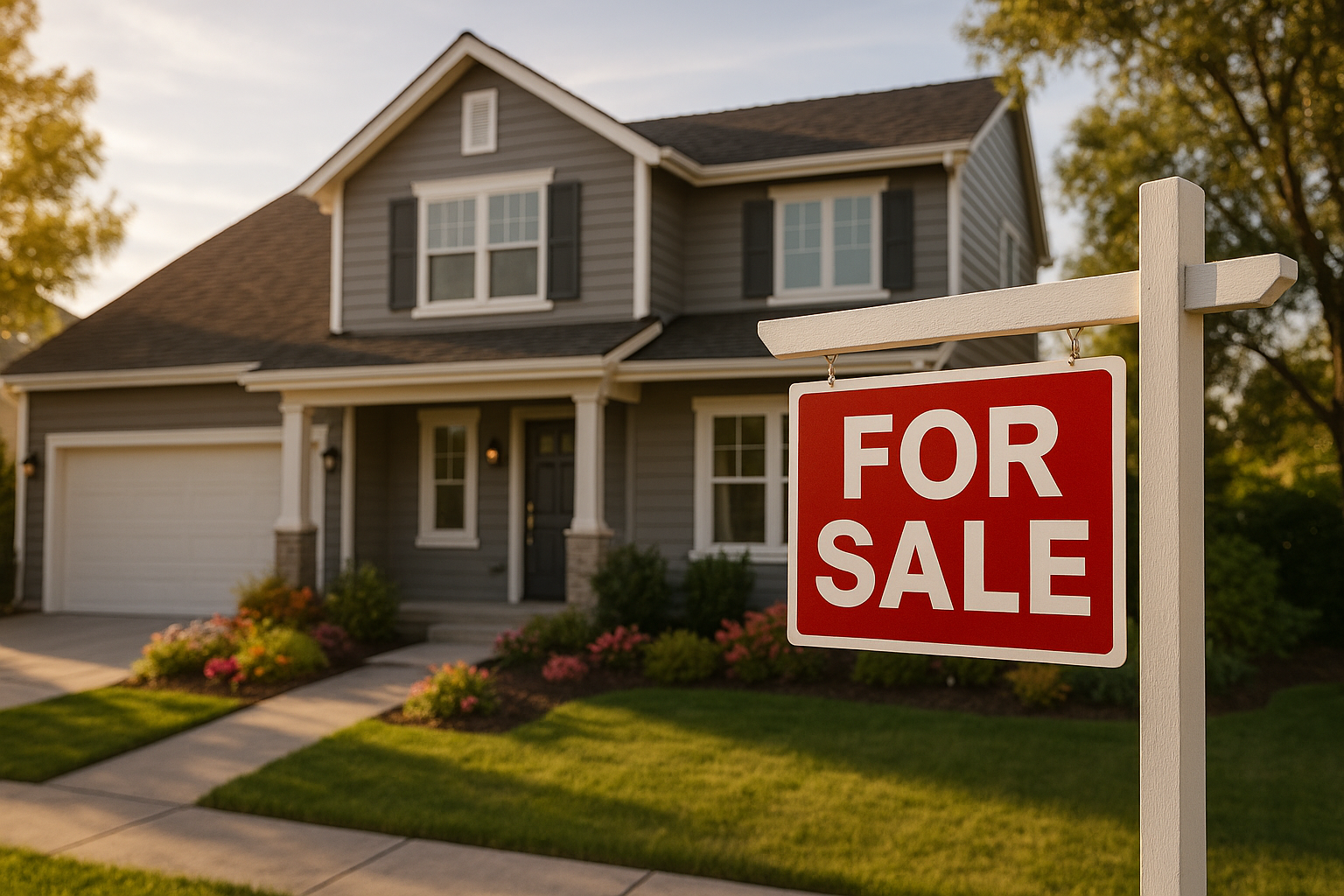
Quality signage with a clear call-to-action and a visible contact number still drives local traffic. Complement signs with targeted postcards or flyers for nearby neighborhoods and buyers who previously expressed interest.
Network Locally
Engage with local agents, community groups, and social media neighborhood pages. Word-of-mouth often produces motivated buyers who value a trusted referral.
Work with Professionals
Choose the Right Real Estate Agent
An experienced agent brings market insight, negotiation skills, and marketing resources. Interview several agents, ask for a marketing plan, recent comparable sales, and references. Align on communication style and timelines.
Bring in Specialists When Needed
Consider a professional stager, photographer, or a contractor for pre-listing improvements. A real estate attorney or transaction coordinator can streamline closing and reduce surprises.
Negotiate and Close Confidently
Prepare for Multiple Offers
When you have several offers, evaluate more than price—look at contingencies, financing strength, closing timeline, and buyer flexibility. A slightly lower but cleaner offer can be better than a higher but risky one.
Be Responsive and Flexible
Quick responses to buyer inquiries and flexible showing times increase the likelihood of a sale. During negotiations, stay calm, prioritize goals, and rely on your agent’s experience to structure counteroffers that protect your interests.
Conclusion
Successful home selling combines careful preparation, smart pricing, strong online presence, and targeted local outreach. Use a mix of these strategies, track market feedback, and be willing to adapt—doing so will help you sell faster and for a better price.