Why sell your home online?
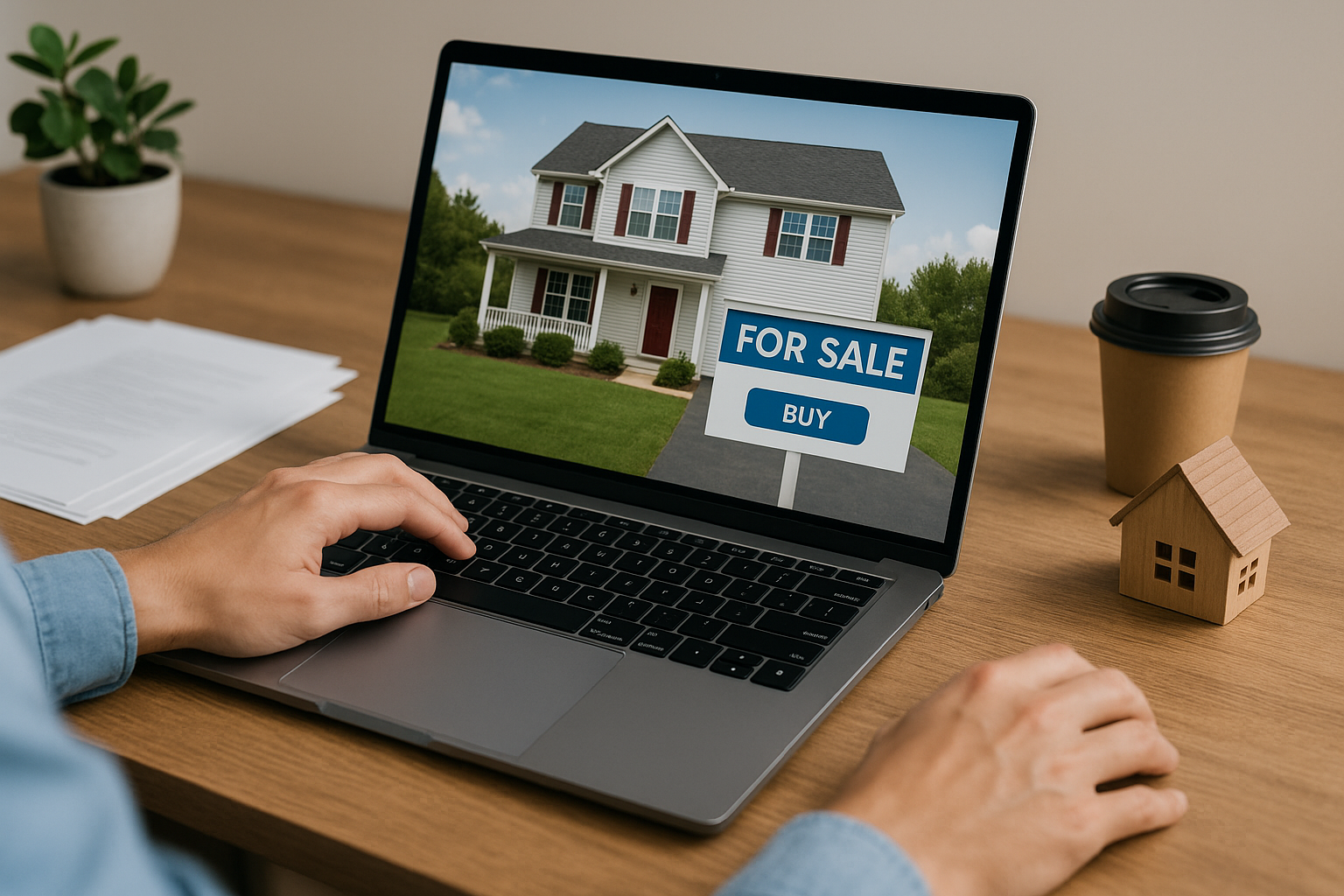
Selling a home online has become the norm for many homeowners. It offers wider reach, faster exposure, and the convenience of digital tools that streamline marketing, showings, and closing. Whether you plan to work with an agent, go FSBO (for sale by owner), or use an iBuyer, understanding the online process helps you make smarter decisions and get the best possible outcome.
Prepare your home for online listing
Declutter, deep clean, and stage
First impressions matter online. Clear personal items, remove excess furniture, and deep clean every room. Staging helps buyers imagine living there—simple touches like neutral accents, fresh linens, and a tidy entryway can increase appeal and photo performance.
Invest in professional photos and video
High-quality images are the most important element of any online listing. Hire a professional photographer who specializes in real estate or use a high-resolution camera and natural light. Consider a short walk-through video to highlight flow and natural light.
Gather documents and disclosures
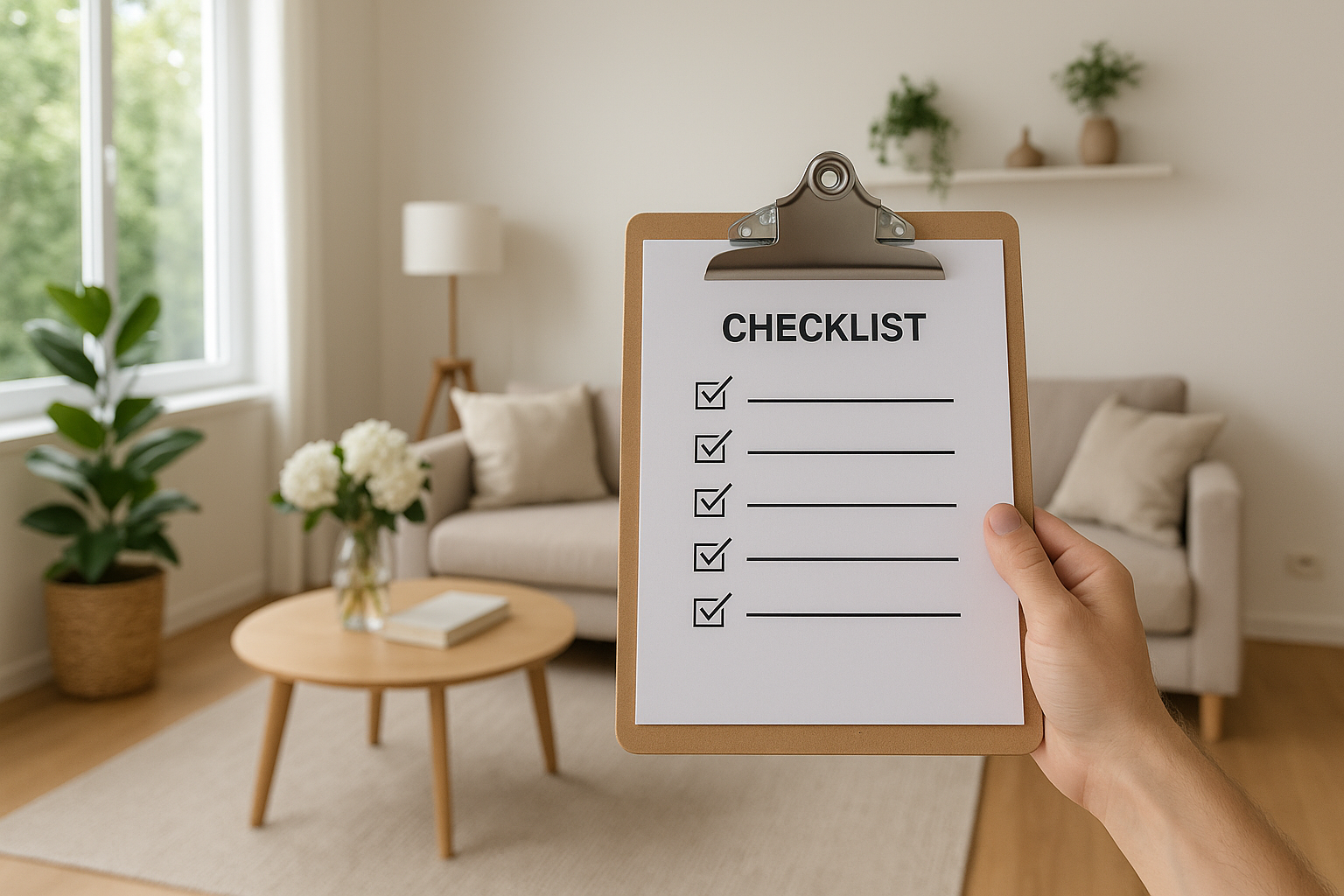
Prepare property records, recent utility bills, repair receipts, inspection reports, and required disclosures. Having this information ready speeds up the process and builds trust with potential buyers.
Choose the right platform
List on MLS through an agent
The Multiple Listing Service (MLS) is still the most effective way to reach buyer agents and serious buyers. An experienced agent can syndicate your listing to major portals like Zillow, Realtor.com, and Trulia.
Explore FSBO and listing sites
If you prefer to sell without an agent, use trusted FSBO platforms and paid flat-fee MLS services. These let you control the listing while still getting broad exposure.
Consider iBuyers and auction platforms
iBuyers can provide quick, cash offers with minimal marketing, but often at a discount. Auction platforms can generate competitive bidding, useful for unique properties or fast sales.
Use social media and local marketplaces
Promote your listing on Facebook Marketplace, Instagram, Nextdoor, and community groups. Social posts can drive local traffic and direct inquiries from motivated buyers.
Set the price and terms
Research comparable sales
Use recent sales data and online valuation tools as starting points, then adjust based on condition, upgrades, and market trends. Competitive pricing attracts more views and offers.
Define your terms
Decide on contingencies, preferred closing timelines, and which repairs you’ll handle. Clear terms reduce back-and-forth and streamline negotiations.
Create an effective online listing
Write a compelling headline and description
Start with a concise headline that highlights a key selling point (location, view, updates). In the description, emphasize benefits (natural light, recent renovations, neighborhood amenities) and be honest about limitations.
Optimize photos and include virtual tours
Lead with your best photo, include wide-angle shots, and add a virtual tour or 3D walk-through. Buyers spend seconds on listings—make those seconds count.
Add key details and SEO-friendly keywords
Include accurate specs: beds, baths, square footage, lot size, year built, and special features. Use location-based keywords (neighborhood, nearby schools, transit) to improve visibility in searches.
Manage inquiries and showings
Respond quickly and professionally
Fast responses increase the likelihood of converting inquiries into showings. Use templated replies for common questions but personalize when needed.
Schedule virtual and in-person showings
Offer live video tours for out-of-town buyers and flexible in-person showings for local prospects. Screen visitors and require pre-qualification when appropriate.
Negotiate smartly
Evaluate offers based on price, contingencies, financing, and timeline. Don’t focus solely on the highest price—terms can make a lower offer more attractive.
Close the sale securely online
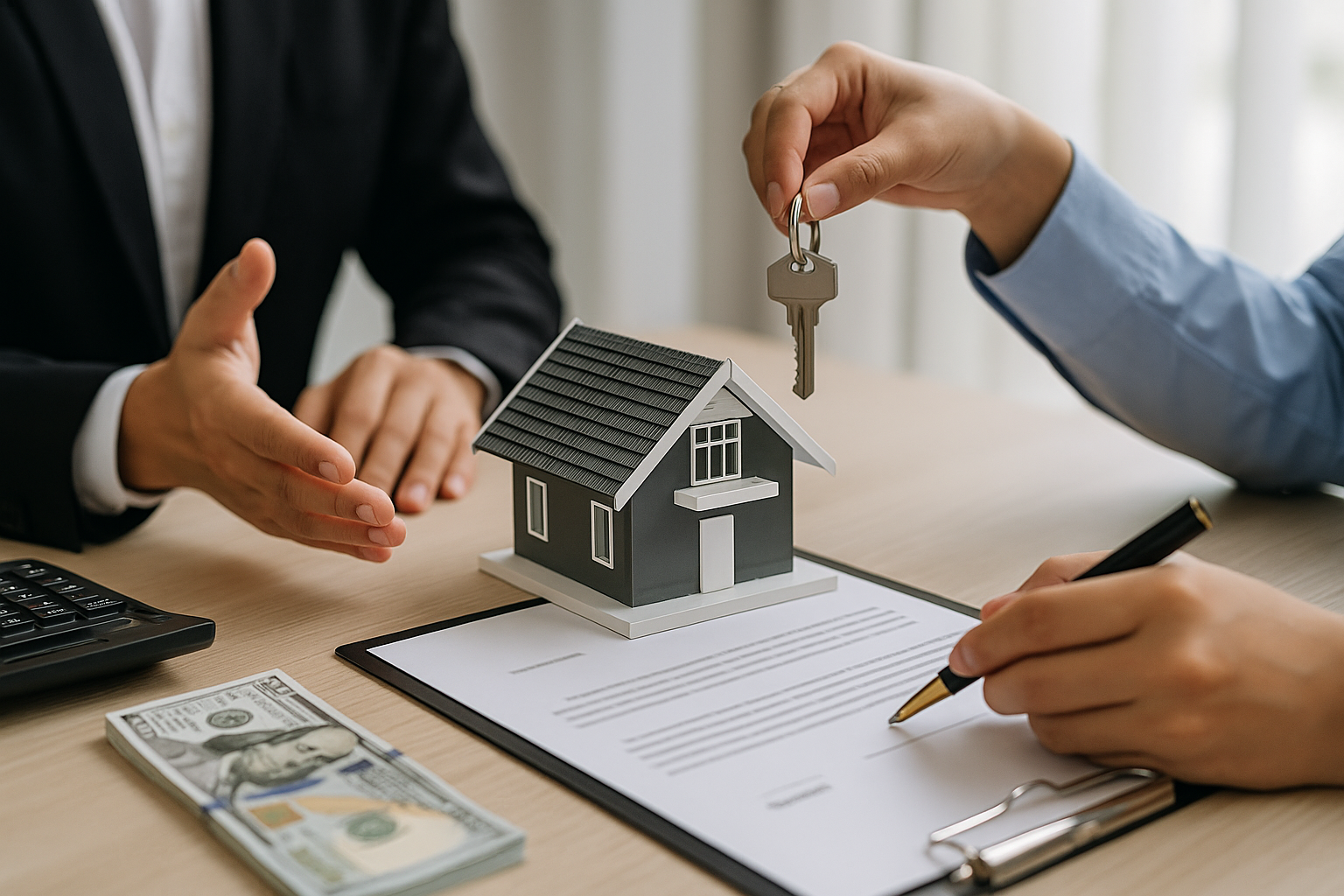
Use digital paperwork and secure e-signatures
Many escrow and title companies support e-signatures and digital document sharing. Verify the vendor’s reputation and security protocols before uploading sensitive documents.
Protect funds and verify buyers
Work with an established escrow company to handle deposits and transfers. Confirm buyer financing is in place and watch for red flags of wire fraud or impersonation.
Common mistakes to avoid
- Skipping professional photos to save money—poor images reduce interest.
- Overpricing—an inflated price means fewer views and longer time on market.
- Ignoring minor repairs—small issues can derail offers or lower appraisals.
- Poor communication—slow replies lose buyer momentum.
Conclusion
Selling your home online is highly achievable with the right preparation and tools. Focus on presentation, choose platforms that match your goals, price competitively, and prioritize secure, transparent transactions. With careful planning and prompt communication, you can reach more buyers and close efficiently.