How long does it take to sell a home?
Selling a home is rarely instant—and the timeline can vary widely depending on market conditions, pricing, preparation, and buyer financing. While some properties receive offers within days, others can sit on the market for months. This post breaks down typical timelines, the main factors that affect sale speed, and practical steps you can take to sell faster and with fewer headaches.
Typical timeline: what to expect
Below is a general timeline many sellers experience. Keep in mind individual cases will vary.
Preparation: 1–6 weeks
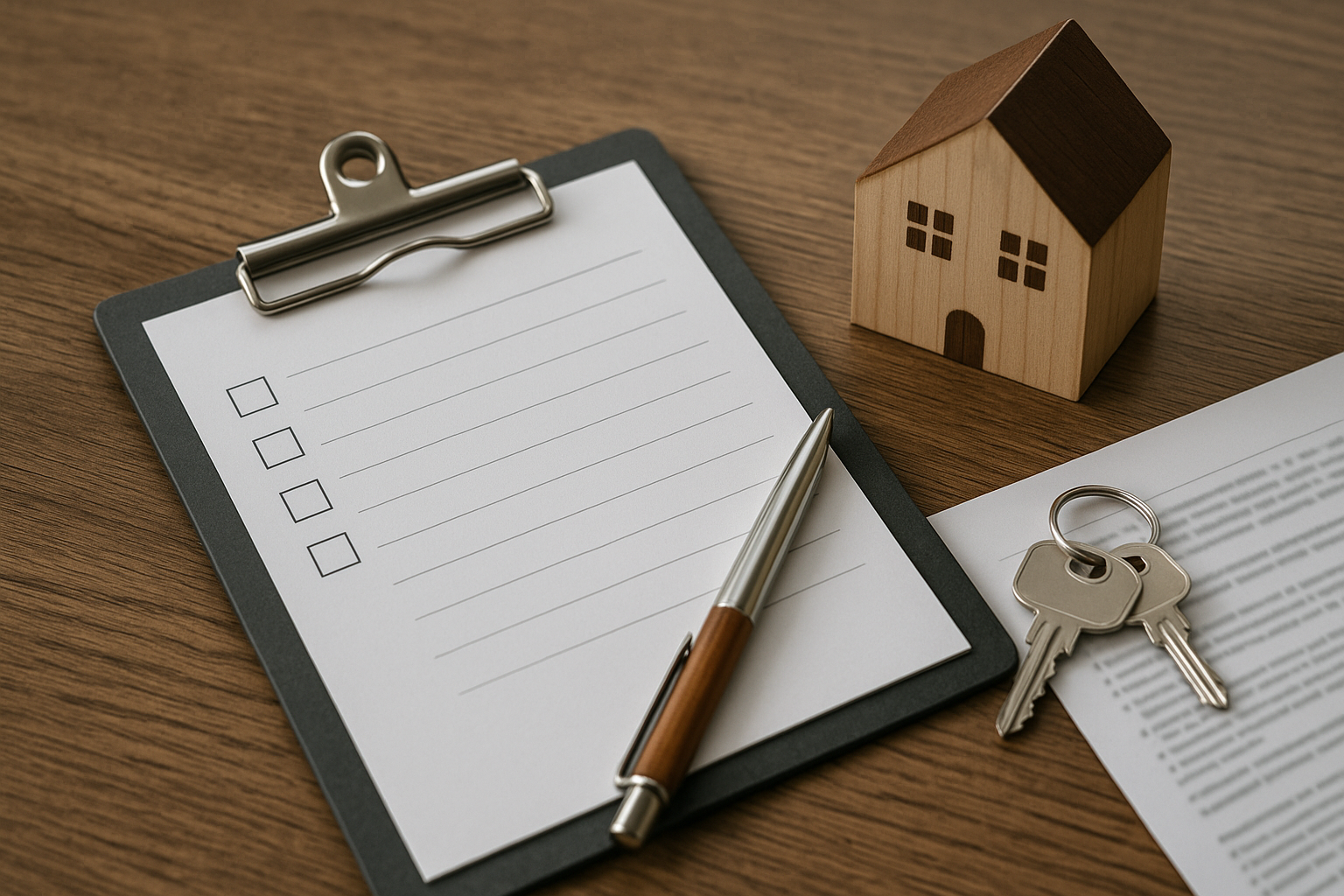
Before listing, sellers often spend 1–6 weeks preparing the property. Tasks may include decluttering, deep cleaning, minor repairs, painting, staging, and hiring a photographer. The better the presentation, the faster the home typically sells.
Active marketing and showings: 1–60+ days
Once listed, a home enters the market. In a hot market, homes can receive offers within days. In balanced or slow markets, getting the right buyer may take several weeks or months. The industry commonly tracks “days on market” (DOM) as a benchmark.
Under contract and inspections: 1–3 weeks
After an offer is accepted, the buyer usually schedules inspections, negotiates repairs or concessions, and completes any required disclosures. This step typically lasts 1–3 weeks but can be longer if negotiations are complex.
Escrow and closing: 30–60 days
Most home sales close within 30–60 days after going under contract. This period covers final mortgage approval, appraisals, title searches, and paperwork. Cash deals can close faster; financed purchases depend on the lender’s timelines.
Factors that affect how fast your home sells
Understanding what influences the timeline helps you set realistic expectations and make targeted improvements.
Pricing
Price is among the most influential factors. Homes priced competitively relative to similar nearby properties attract more buyers and often sell faster. Overpricing can lead to long DOM and price reductions.
Location and demand
Homes in high-demand neighborhoods near good schools, transit, or employment centers generally sell more quickly. Local inventory levels (supply vs. demand) heavily influence speed too.
Condition and presentation
Move-in-ready homes with modern updates and professional photos generate stronger interest. Poor presentation or deferred maintenance can significantly slow the process.
Seasonality
Spring and early summer historically see higher buyer activity, which can shorten time on market. Winter months may see fewer buyers, extending timelines in many areas.
Marketing and agent expertise
A strong marketing plan—professional photos, virtual tours, targeted online ads, and an active agent network—can accelerate a sale. An experienced agent knows local pricing trends and negotiation strategies.
Financing and contingencies
Buyers who need mortgage approval, appraisals, or to sell their own home create longer, more uncertain timelines. Cash buyers or well-qualified buyers can close faster and with less risk of delays.
How to speed up the sale
If you want to shorten the process, focus on the areas that matter most to buyers.
Price it right from the start
Work with your agent to set a competitive price based on recent comparable sales. A slightly lower initial price can attract more offers and sometimes even spark bidding activity.
Invest in presentation
Declutter, deep-clean, make minor repairs, and consider professional staging or high-quality photos. First impressions matter—online photos are often the first interaction buyers have with your home.
Be flexible with showings
Allowing more showing times increases the pool of potential buyers. Keep the home ready and available, especially in the first few weeks after listing.
Pre-inspect and pre-approve
Getting a pre-listing inspection and fixing obvious issues can reduce negotiation friction. Encourage buyer pre-approval letters to weed out weak offers early.
Market aggressively
Use multiple channels—MLS, social media, virtual tours, and local advertising—to reach the widest audience quickly.
Typical timelines by market scenario
- Hot sellers’ market: 1–30 days from listing to accepted offer; 30 days to close in many cases.
- Balanced market: 30–90 days to find a buyer; 30–60 days to close.
- Buyers’ market or slow market: 3–6+ months to sell if pricing or condition aren’t competitive.
Conclusion
There’s no one-size-fits-all answer to how long it takes to sell a home. Most sales fall somewhere between a few weeks and a few months, influenced by price, condition, market demand, and financing. By preparing the home, pricing it right, and working with an experienced agent, you can significantly shorten the timeline and improve your chances of a smooth sale.