What Is an As-Is Home Inspection?
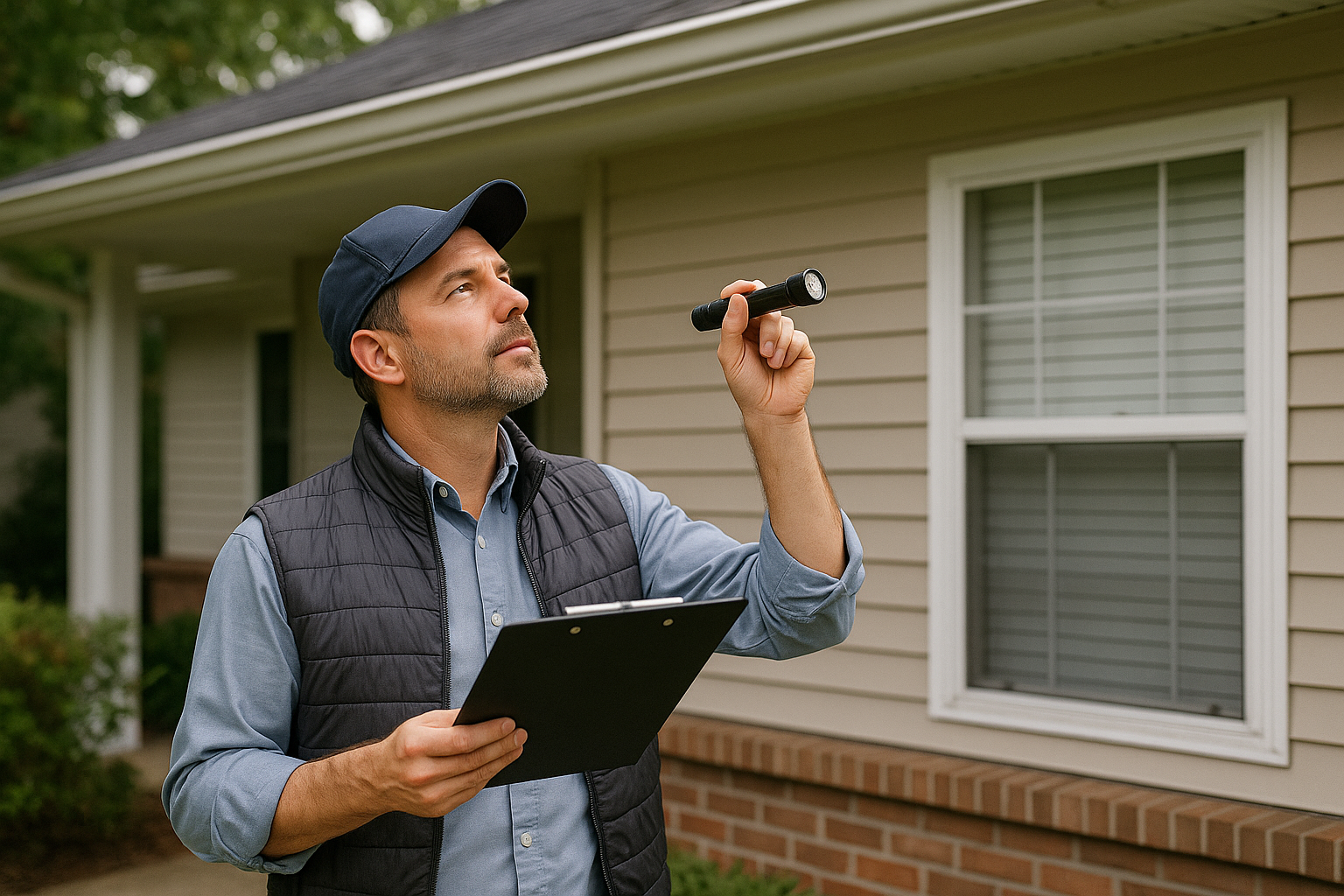
An as-is home inspection is a professional evaluation of a property that will be sold in its current condition. Unlike inspections performed as a contingency for repairs, an as-is inspection documents the visible condition of the home without expectation that the seller will fix identified issues. It’s a tool for buyers to understand risks and for sellers to disclose known problems while limiting post-sale obligations.
How an As-Is Inspection Differs from a Standard Inspection
On the surface, the process and the inspector’s checklist may look the same, but the context and expectations differ significantly.
Scope and Purpose
A standard inspection often supports negotiation for repairs or price adjustments. An as-is inspection is performed when the buyer agrees to purchase the property without requiring the seller to make repairs. The report becomes a record of the home’s condition at sale.
Negotiation Leverage
With a standard inspection, buyers can request repairs or credits. With an as-is sale, buyers typically have reduced leverage—especially if the contract explicitly states no repairs will be requested. However, significant undisclosed defects can still affect the deal.
Why Buyers Choose an As-Is Inspection
- Clarity on condition: Buyers get a professional assessment of what they’re purchasing.
- Risk management: The report helps buyers budget for immediate and future repairs.
- Investment analysis: Investors often use as-is inspections to calculate renovation costs and ROI.
Why Sellers Agree to As-Is Sales
- Simplifies the sales process by avoiding repair negotiations.
- Attracts buyers willing to accept the property condition in exchange for potentially lower price or quicker closing.
- Limits post-closing liability when proper disclosures are made and inspections are performed.
What Inspectors Look For in an As-Is Inspection
Inspectors follow standard protocols—examining structural elements, roofing, plumbing, electrical systems, HVAC, appliances, and visible safety concerns. In an as-is inspection, they often pay extra attention to:
Major Defects
Foundation cracks, roof leaks, structural damage, and issues that can make a home unsafe or uninhabitable.
Systems at End of Life
Old furnaces, water heaters, or electrical panels that may need replacement soon—important for budgeting.
Safety Hazards
Mold, asbestos, lead paint (especially in older homes), and electrical hazards are flagged so buyers understand potential health and code issues.
Common Red Flags Found in As-Is Inspections
- Hidden water damage or active leaks.
- Poor drainage or grading that threatens the foundation.
- Improper or DIY electrical work.
- Roof damage or multiple roof repairs indicating last life-cycle.
- Pest infestations, such as termites, that compromise structures.
How Buyers Should Prepare for an As-Is Inspection
- Hire a qualified, licensed inspector who has experience with as-is sales.
- Attend the inspection to ask questions and see issues firsthand.
- Request specialized testing if concerns exist—mold, radon, sewer scopes, or termite inspections.
- Get contractor estimates for any major repairs to better understand true costs.
Negotiation Strategies After an As-Is Inspection
Even though the sale is “as-is,” inspection findings can still influence the deal:
- Ask for a price reduction or seller credit if repairs are extensive.
- Request closing concessions to offset immediate repair costs.
- Include contingency language for severe issues discovered after inspection (if the contract allows).
- Walk away if undisclosed hazards or costs exceed your risk tolerance—if your contract permits inspection-based cancellation.
Tips for Sellers on Handling As-Is Inspections
- Disclose known defects honestly to avoid future legal disputes.
- Consider a pre-listing inspection to set expectations and price accurately.
- Provide receipts for recent repairs to demonstrate maintenance history.
- Be transparent about potential issues and consider offering a lower price rather than surprises later.
Checklist: Questions to Ask During an As-Is Inspection
- What are the top three urgent repairs and estimated costs?
- Which systems are near the end of their expected life?
- Are there any safety hazards that require immediate attention?
- Would you recommend further specialist inspections?
- How soon should I budget for the major replacements you identified?
Conclusion
An as-is home inspection is a vital step for buyers and sellers in understanding a property’s condition before closing. While it may limit repair negotiations, it provides clarity, helps manage financial risk, and supports informed decisions. Whether you’re buying as-is or selling as-is, use the inspection report to guide pricing, repairs, and expectations so you can proceed with confidence.