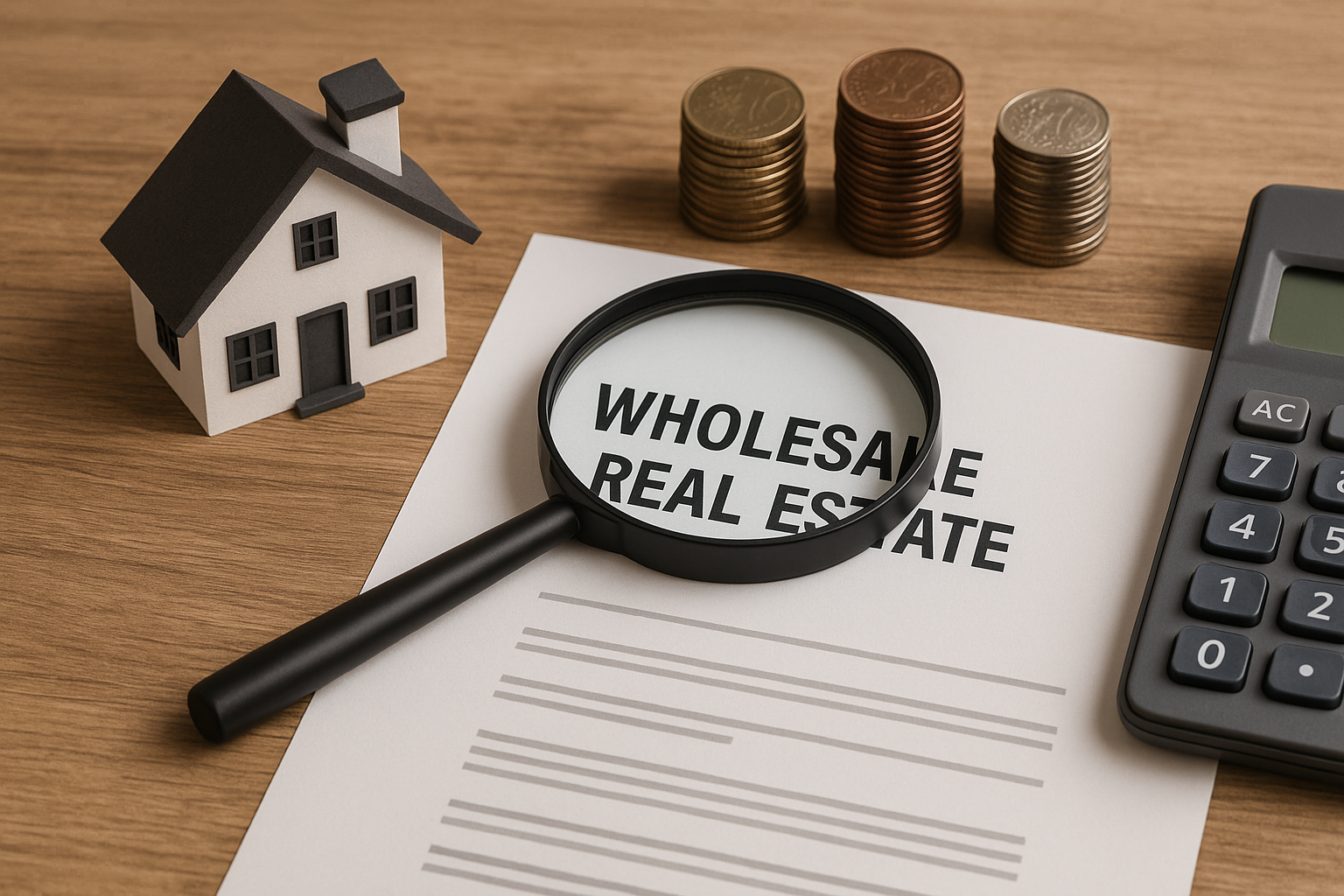
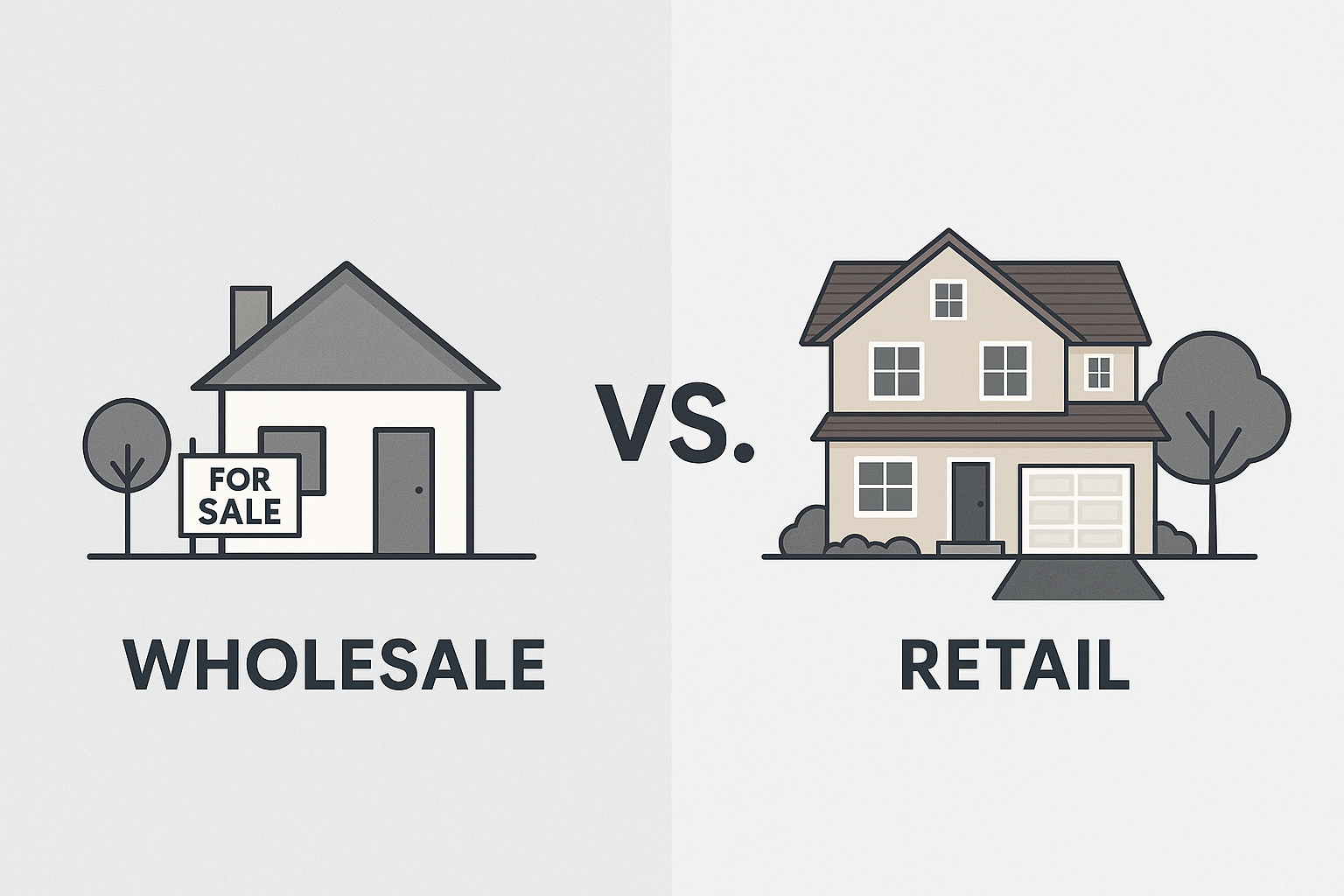
Wholesale home buying, often called real estate wholesaling, can be a way to earn income by connecting a motivated seller with a homebuyer. Instead of purchasing a property and renovating it, a wholesaler typically negotiates a purchase contract and assigns their contractual interest to an investor for a fee. The process may require less capital than buying a home outright, but it still involves research, negotiation, careful paperwork, and compliance with local laws.
Here is how to get started, from learning your market to closing your first deal.
Understand How Wholesale Home Buying Works
A typical wholesale transaction has three parties: the property owner, the wholesaler, and the end buyer. The wholesaler finds a property, negotiates a purchase agreement with the owner, then locates an investor willing to take over the contract. If the agreement allows assignment and the transaction closes, the wholesaler receives an assignment fee.
For example, an owner might agree to sell for a price that leaves room for an investor to cover repairs and other costs. The wholesaler then assigns the contract to that investor for an agreed fee. The exact numbers depend on the property, the market, and the contract—not on a guaranteed formula.
Wholesaling is not simply advertising a home that you do not own. Your rights to market or assign a deal depend on your contract and local law. Be clear with sellers and buyers about your role, and never imply that you own the property if you do not.
How to Start Wholesale Home Buying
1. Learn Your Local Market
Choose a specific area and study its neighborhoods, recent sale prices, rental demand, and typical renovation costs. Look at comparable properties, often called comps, to estimate what a repaired home might sell for. Pay attention to how long homes take to sell and whether prices vary significantly from one block to the next.
Talk with local real estate investors, agents, contractors, and title or closing professionals. Their perspective can help you understand what buyers actually want and what expenses new wholesalers often overlook. Start with a manageable area rather than trying to cover an entire city.
2. Build a Network of Cash Buyers
Find out who could purchase a contract before you spend significant time chasing deals. Potential buyers may include rental-property owners, house flippers, and other real estate investors. Attend investor meetups, join local property groups, and speak with professionals who work with investors.
Ask buyers what locations, property types, price ranges, and repair levels they prefer. Learn how they verify funds and how quickly they can close. A simple, accurate buyer list is more useful than a large list of people who are not prepared to act.
3. Find Potential Properties and Sellers
Wholesalers look for owners who may be open to a timely, straightforward sale. Leads can come from referrals, networking, public property records, direct mail, or online marketing. Follow the rules for calls, texts, mail, and advertising in your area, and respect requests not to be contacted.
When speaking with an owner, ask about the property’s condition, their preferred timeline, and what matters to them in a sale. Listen first. Avoid pressure tactics or promises you cannot keep. A workable deal should meet the seller’s needs while leaving enough room for a buyer to account for repairs, carrying costs, and risk.
4. Estimate the Numbers Carefully
Before making an offer, estimate the property’s after-repair value using relevant comparable sales. Then investigate likely repair costs, closing expenses, holding costs, and the end buyer’s required profit. A contractor’s walkthrough or experienced investor’s opinion can help, but estimates should be verified rather than treated as facts.
Do not base an offer on an optimistic resale price or a vague repair allowance. If the figures do not leave a realistic margin, move on. Walking away from a weak deal can save you—and the seller—time and trouble.
5. Use Clear, Compliant Contracts
Have a qualified local real estate attorney or other appropriate professional review your purchase agreement and assignment documents. The contract should accurately identify the parties and property, explain the purchase price and deadlines, and state whether assignment is permitted. It should also address deposits, access for inspections, and any applicable cancellation or contingency terms.
Rules for wholesaling differ by state and sometimes by city. Some places regulate marketing, require particular disclosures, or may treat certain activities as requiring a real estate license. Ask a local attorney or regulator what applies before advertising a property or contract. Never use a form you do not understand, misrepresent your interest, or ignore required disclosures.
6. Secure an End Buyer and Coordinate Closing
Once you have a properly signed agreement, contact buyers whose criteria fit the property. Share accurate information, including known condition issues and relevant contract deadlines. Do not advertise more rights than you have. A buyer should understand whether they are receiving an assigned contract or participating in another legally permitted transaction structure.
Use a reputable title company, escrow office, or closing attorney familiar with investment transactions. Confirm the buyer’s ability to close, meet deposit and document deadlines, and keep communication open with the seller. A backup buyer can help if the first buyer cannot perform, but it does not remove your obligations under the original agreement.
Common Mistakes to Avoid
- Skipping buyer research: A signed contract is not a successful deal unless a qualified buyer can close.
- Overestimating value or underestimating repairs: Verify comps and costs before presenting an offer.
- Using unclear paperwork: Have local professionals review contracts and disclosures.
- Making promises without a plan: Be honest about timelines, access, and your role in the transaction.
- Ignoring compliance: Check local licensing, marketing, and consumer-protection requirements early.
Conclusion
Starting wholesale home buying means learning your market, building dependable buyer relationships, evaluating deals conservatively, and using transparent, compliant contracts. Begin with education and small, carefully checked opportunities. A reputation for honesty and follow-through is one of the most valuable assets you can build.