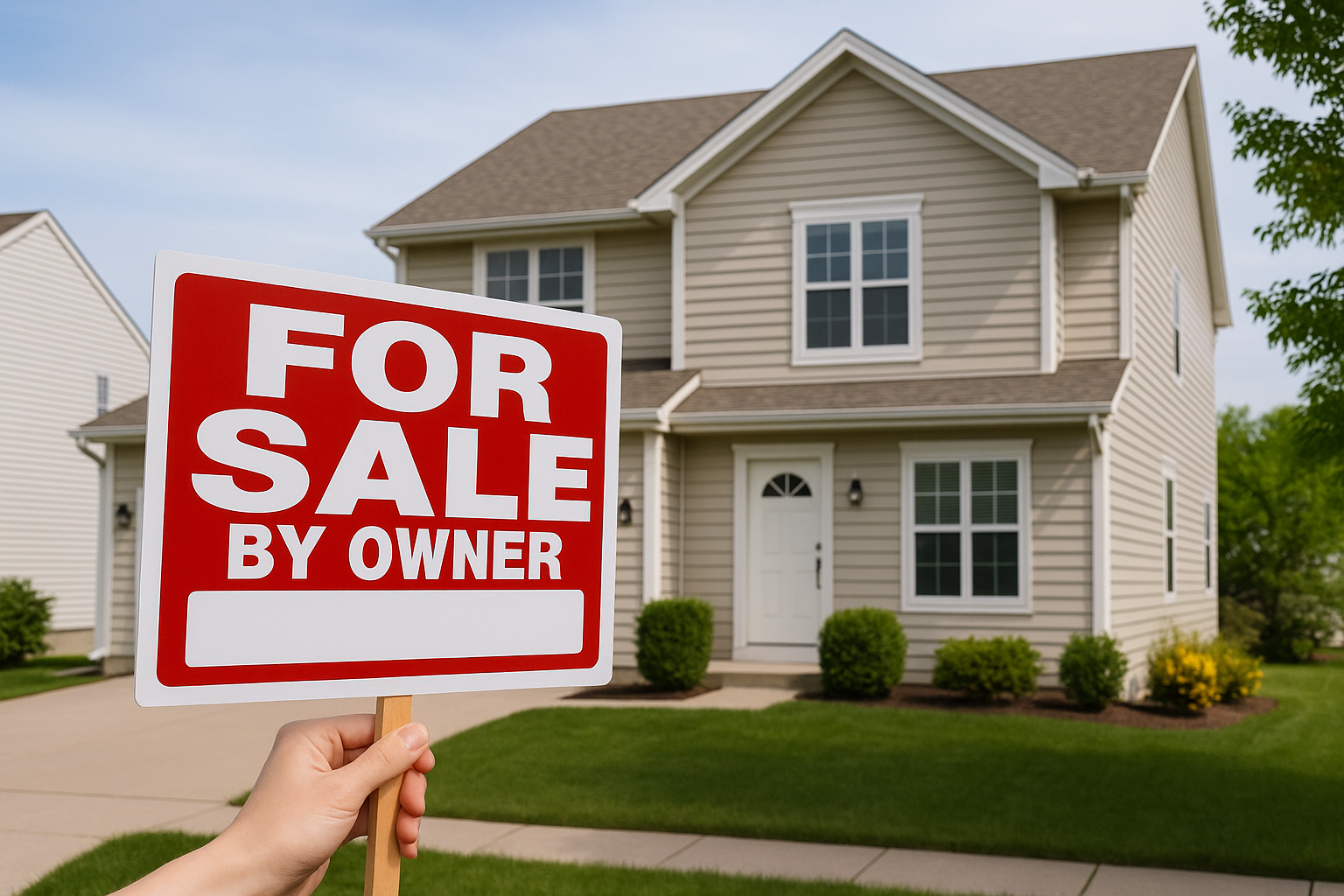
Sell Your Home Without a Realtor: An Overview
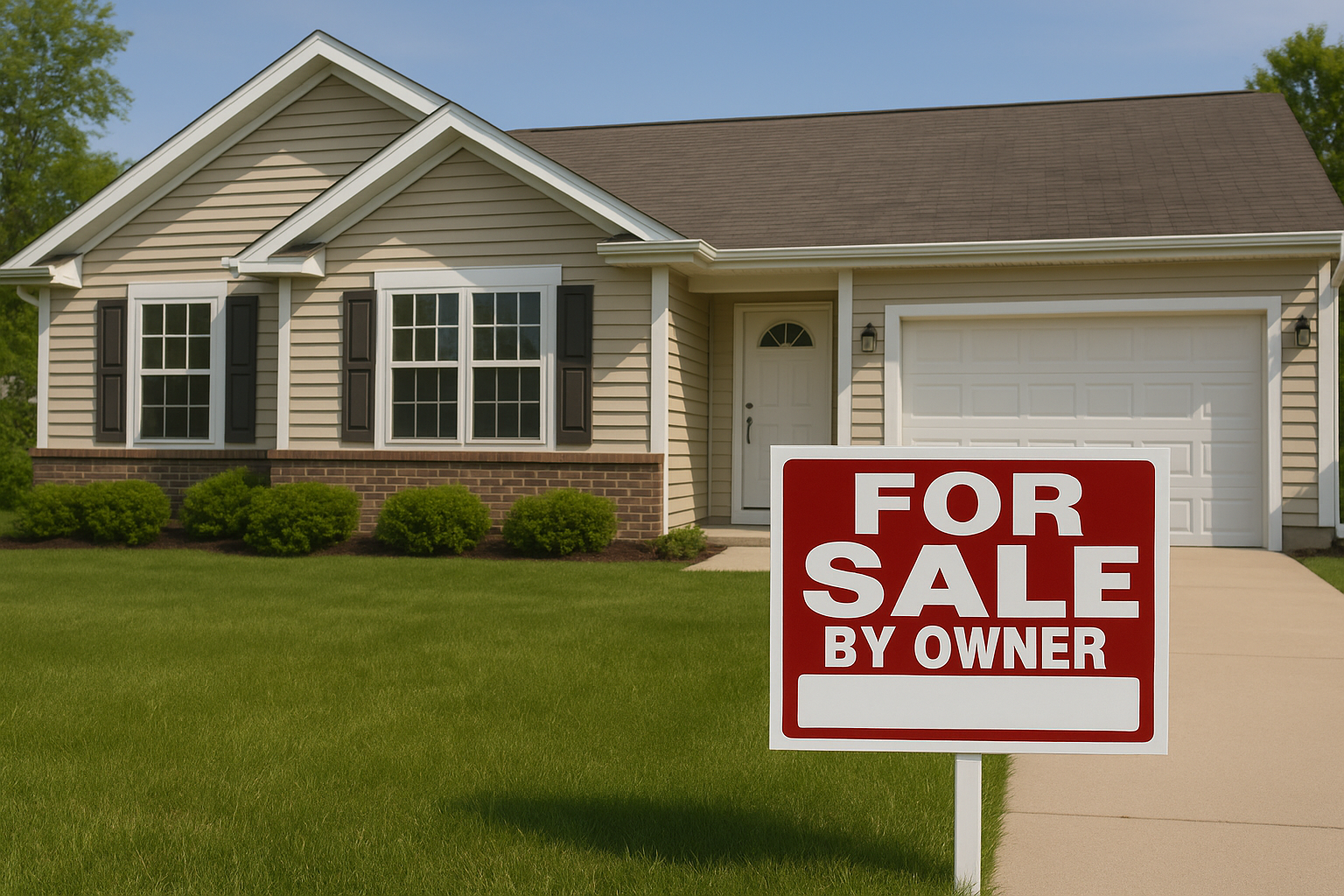
Selling your home without a realtor—commonly called For Sale By Owner (FSBO)—can save you thousands in commissions and give you direct control over the process. But it also means taking on tasks a listing agent normally handles: pricing, marketing, showings, negotiations, and paperwork. This guide walks you through the practical steps to sell your home successfully on your own.
Why Sell Without a Realtor?
Potential Benefits
- Save on commission fees (often 5–6% of the sale price).
- Retain full control over marketing, timing, and negotiations.
- Direct communication with buyers can speed up decisions.
Potential Drawbacks
- You’re responsible for pricing accurately and handling all legal paperwork.
- Limited exposure compared with MLS listings unless you pay for services.
- Negotiations and disclosures can be complex without experience.
Step 1: Prepare Your Home
Declutter, Clean, and Repair
First impressions matter. Deep clean, declutter, and complete minor repairs like leaky faucets, cracked tiles, or scuffed paint. Consider a fresh, neutral coat of paint and simple landscaping updates to boost curb appeal.
Staging and Professional Photos
Staging can help buyers visualize the space. If staging isn’t in the budget, at least depersonalize rooms and arrange furniture to highlight flow and size. Invest in high-quality professional photos—online listings live or die by their images.
Step 2: Price It Right
Conduct Comparative Market Analysis (CMA)
Research recent sales of similar homes in your neighborhood, adjusting for size, condition, upgrades, and lot differences. Many online tools provide estimates, but local sold comps are most reliable.
Consider an Appraisal or Agent Consultation
Hiring an independent appraiser gives an objective valuation. Alternatively, some agents offer flat-fee or hourly consultations to help set a competitive price without a full listing agreement.
Step 3: Market Your Property
List on Major Platforms
Pay for flat-fee MLS services or use FSBO platforms to get your listing in front of buyers and buyer agents. Post on popular real estate sites, social media, and community groups.
Create a Compelling Listing
Write a clear, benefit-focused description that highlights key features (updated kitchen, large yard, proximity to schools). Include high-quality photos, a floor plan if possible, and a virtual tour or video walkthrough.
Step 4: Showings and Open Houses
Screen Potential Buyers
Pre-qualify buyers when possible—ask if they are pre-approved or working with a lender. Be cautious about allowing unscreened visitors into your home alone.
Conduct Professional Showings
Keep your home clean and available for flexible showing times. Consider hosting broker and public open houses to maximize exposure.
Step 5: Handling Offers and Negotiations
Review Offers Carefully
An offer includes price, earnest money, contingencies, closing date, and financing terms. Evaluate all elements—not just the price—to choose the best overall offer.
Negotiate Terms
Be prepared to counteroffer on price, repairs, closing costs, or timelines. Stay calm, realistic, and focused on your key priorities. If negotiations become complex, consider hiring a real estate attorney or a transactional agent for help.
Step 6: Contracts, Disclosures, and Closing
Complete Required Disclosures
Most states require sellers to provide property condition disclosures. Be honest and thorough—failure to disclose known issues can lead to legal trouble later.
Use Professionals for Docs and Closing
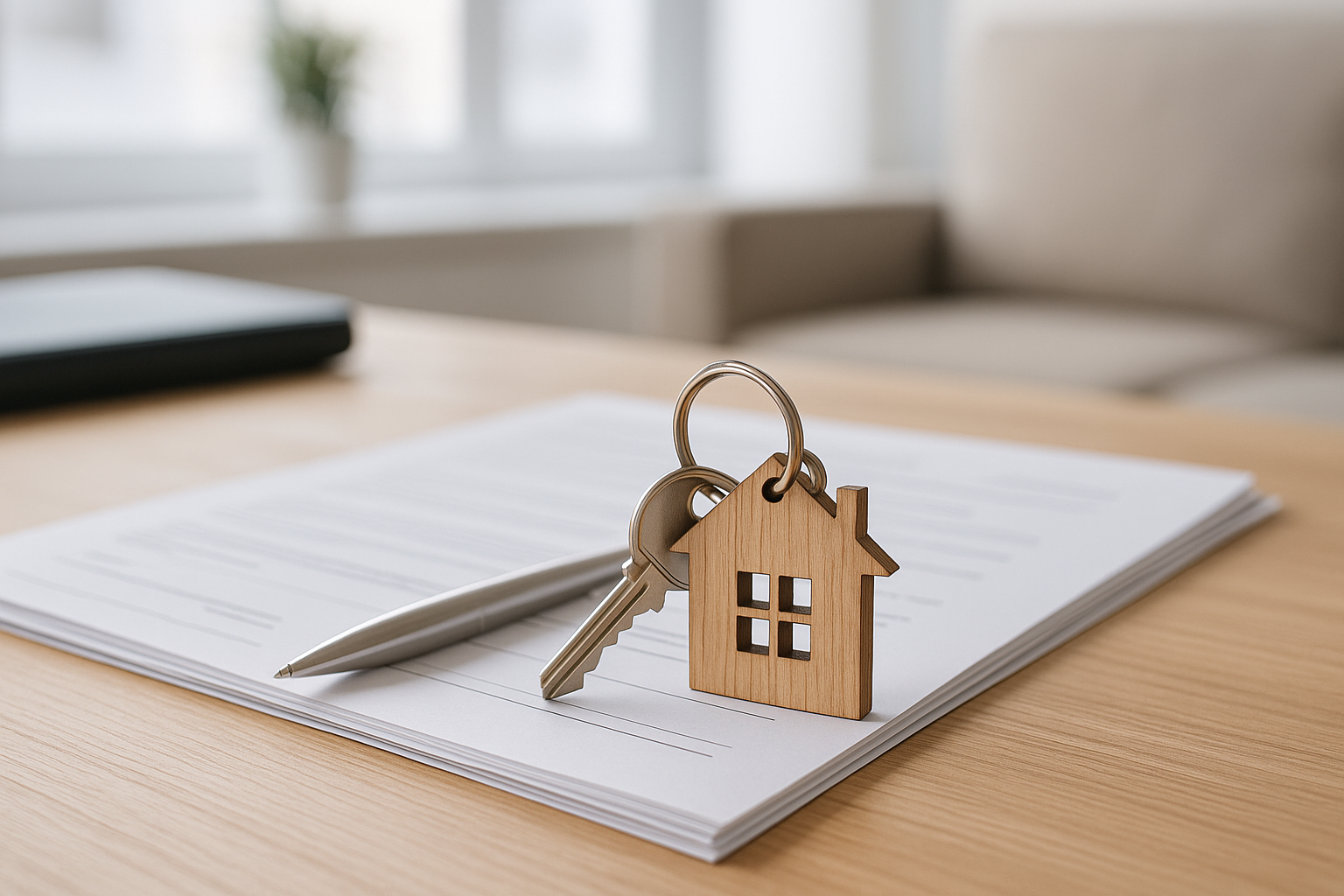
Engage a real estate attorney, title company, or escrow agent to prepare and review contracts, coordinate title searches, and handle the closing. These professionals protect you and ensure the transaction complies with local laws.
Tips and Common Pitfalls
- Don’t overprice: an inflated price often leads to longer time on market and fewer showings.
- Keep records of all communications and offers in writing.
- Budget for unexpected inspection issues or buyer concessions.
- Know your local timelines and requirements for disclosures, lead paint, or HOA rules.
Conclusion
Selling your home without a realtor is achievable with careful preparation, realistic pricing, strong marketing, and the right professional support for contracts and closing. If you’re organized, willing to learn, and ready to handle negotiations, FSBO can save money and give you control. When in doubt, consult an attorney, appraiser, or experienced consultant to fill knowledge gaps and protect your interests.