- The Role of a Wholesaler
- The Role of a Real Estate Agent
- Making Your Decision: Factors to Consider
- 1. Time Constraints
- 2. Property Condition
- 3. Financial Goals
- Conclusion: Choosing Wisely
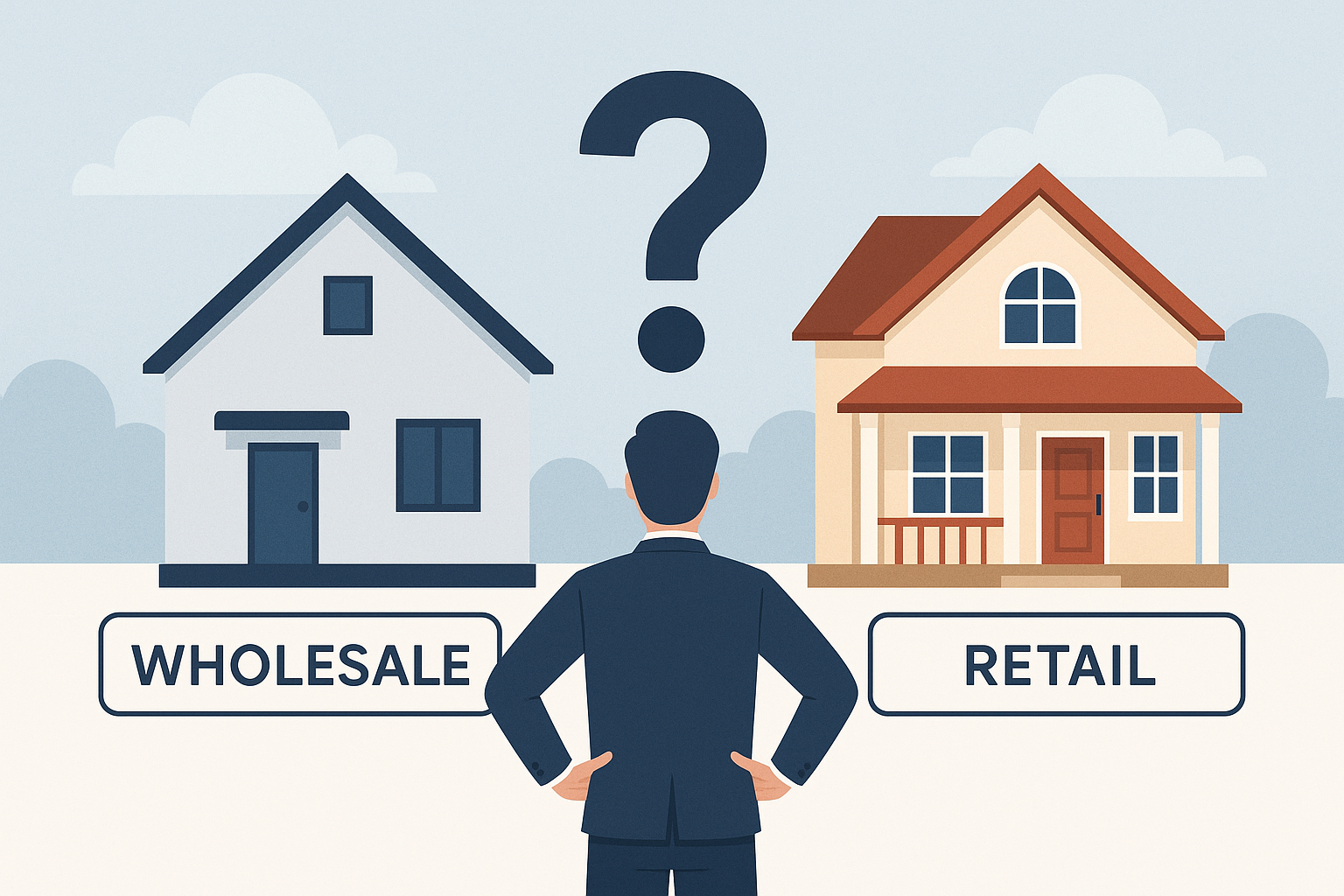
When it comes to selling a home quickly, homeowners often face the dilemma of choosing between a wholesaler and a real estate agent. Each option has its advantages and disadvantages, especially for those looking to sell their property for cash. Understanding these differences can help you make an informed decision that aligns with your timeline and financial goals.
The Role of a Wholesaler
Wholesalers act as intermediaries in the real estate market. They seek out properties, often distressed or undervalued, and place them under contract with the intention of flipping them to another buyer for a profit. If your primary goal is to sell your home fast for cash, a wholesaler can offer a streamlined process. Here’s how it generally works:
– Quick Transactions: Wholesalers typically have a list of cash buyers ready to go, which can significantly speed up the selling process. Once you accept their offer, the deal can close in a matter of days.
– As-Is Purchases: If your home requires repairs or renovations, wholesalers will often buy properties in their current condition. This means you won’t need to invest time or money into fixing up your home.
– Less Hassle: Working with a wholesaler generally means fewer showings and less negotiation. This can be a relief for homeowners who want to sell without the fuss.
However, one downside to consider is that wholesaler offers are often lower than what you might receive from a traditional buyer, as they need to factor in their own profit margin.
The Role of a Real Estate Agent
Real estate agents serve as advocates for homeowners, guiding them through the selling process. While they may not provide cash offers as quickly as wholesalers, they can help maximize your home’s sale price. Here’s what you can expect:
– Market Knowledge: Experienced agents understand current market trends and can help set an appropriate listing price. This can lead to higher offers, particularly from buyers who may use loans rather than wanting cash for home.
– Marketing Strategy: Agents typically utilize various marketing channels—from online listings to open houses—aimed at attracting a wide range of potential buyers. This can take longer than wholesaling, but may yield a higher sale price.
– Negotiation Skills: A good agent negotiates on your behalf, potentially allowing you to pocket more money. Their expertise can help you secure a deal that reflects your home’s true value.
Though working with a real estate agent might take longer and involve more steps, the final sale price may make it worthwhile for those not in urgent need of cash.
Making Your Decision: Factors to Consider
When deciding between a wholesaler and a real estate agent, consider the following factors:
1. Time Constraints
If you need to sell home fast—perhaps to relocate for a job or address financial issues—a wholesaler may be your best bet. However, if you can afford to wait a few months, an agent might be a better choice if you’re looking for a higher sale price.
2. Property Condition
If your home is in disrepair, a wholesaler would likely be more inclined to make an offer. Agents may still help, but they might advise you on necessary repairs to fetch a better price.
3. Financial Goals
Evaluate what you hope to achieve from the sale. If your priority is quick cash, aim for a wholesaler. If maximizing your return is key, consider taking the traditional route with an agent.
Conclusion: Choosing Wisely
Both wholesalers and real estate agents have unique advantages in the home-selling process. By carefully evaluating your situation—considering urgency, property condition, and financial goals—you can make a decision that aligns with your needs. Whether that means accepting cash for home through a wholesaler or taking the time to list with an agent, understanding your options ensures a smoother transition into your next chapter.