What is a Wholesale Home Buyer?
A wholesale home buyer is an investor or company that acquires properties at below-market prices with the intention of quickly reselling them to another buyer—often another investor—for a profit. Wholesalers act as middlemen: they locate motivated sellers, negotiate a contract, and then either assign that contract to an end buyer or close on the property and resell it. The goal is speed and efficiency rather than holding the property long-term.
How Wholesale Deals Work
1. Finding a motivated seller
Wholesalers target homeowners who need to sell quickly or who own distressed properties. Common sources include foreclosure leads, inherited homes, absentee owners, probate situations, or owners facing financial hardship.
2. Securing the contract
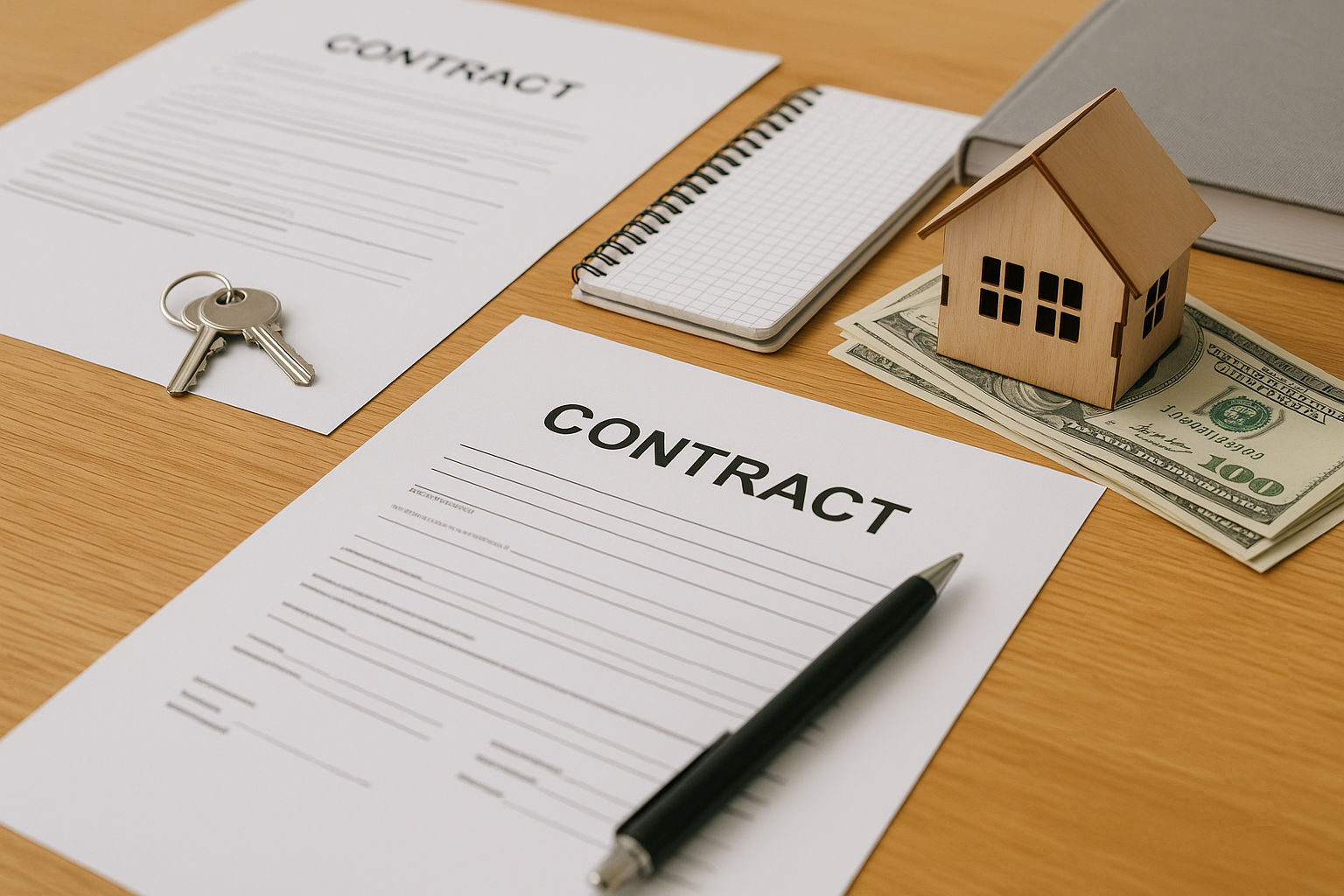
The wholesaler negotiates a purchase agreement with favorable terms and an assigned closing date. Contracts typically include an assignment clause allowing the wholesaler to transfer their rights to another buyer. Earnest money is often deposited, but amounts vary.
3. Locating an end buyer
With the property under contract, the wholesaler markets the deal to an investor network, public buyers’ lists, or real estate investment groups. The wholesaler then assigns the contract to the end buyer for a fee, or completes a double closing—buying and immediately reselling the property.
Assignment vs. Double Close
Assignment of Contract
Most wholesale deals are handled through assignment: the wholesaler sells their contractual interest to another buyer for an assignment fee. This method avoids the wholesaler actually taking title, which reduces capital requirements and carrying risk.
Double Closing
In a double closing, the wholesaler briefly takes title at the first closing and then resells at the second closing, often using short-term funds. This can hide the assignment fee and is used when assignments are restricted or when dealing with retail buyers or certain lenders.
How a Wholesale Home Buyer Differs from Other Buyers
Wholesale buyers are distinct from traditional buyers and other investor types:
- Not real estate agents: Wholesalers are investors who buy and resell; they are not listing agents working for commissions.
- Not flippers: Flippers buy, renovate, and resell for higher margins; wholesalers typically don’t renovate— they connect sellers with buyers who will.
- Not iBuyers: iBuyers use technology and institutional capital to buy and resell homes at scale; wholesalers are usually smaller, local investors or teams.
Benefits and Risks — For Sellers
Benefits
- Fast closing timeline—often days to a few weeks.
- Minimal or no repairs required; wholesalers buy as-is.
- Lower transaction costs—no agent commissions when selling off-market.
- Privacy and fewer showings, which appeals to owners seeking discretion.
Risks
- Lower sale price than retail market value—wholesalers need margin to resell.
- Potential for misleading offers or lack of transparency if not dealing with reputable buyers.
- Contract pitfalls—sellers should ensure terms, timelines, and contingencies are clear.
Benefits and Risks — For Buyers (Investors)
Wholesale buyers (end investors) benefit by accessing below-market deals and quicker acquisition timelines. Risks include inadequate due diligence, inaccurate repair estimates, financing falls through, or title issues. Wholesalers themselves risk contract fallout if they can’t find an end buyer in time.
Legal and Ethical Considerations
Legality and licensing requirements for wholesaling vary by state and locality. Some places require wholesalers to disclose assignment fees or hold certain licenses. Ethical behavior includes full disclosure when required, honoring contract terms, and avoiding predatory tactics with distressed homeowners. Sellers should consider consulting a real estate attorney if unsure.
How to Evaluate a Wholesale Home Buyer
If you’re a seller considering a wholesale buyer, ask these questions:
- Can you provide references or a track record of past deals?
- Do you have proof of funds or a buyer lined up?
- What is the exact closing timeline and deposit amount?
- Are there any fees, contingencies, or clauses I should know about?
Request a copy of the purchase agreement and review it carefully. If something feels unclear, get independent advice.
When Wholesale Selling Makes Sense
Wholesaling is often a good choice when you need speed, want to avoid repairs and showings, or need to sell discreetly. It’s less ideal if your goal is to maximize sale price and you can wait for a retail buyer or pay for repairs and staging.
Conclusion
A wholesale home buyer fills a useful role in real estate by connecting motivated sellers with investors who can renovate or hold properties. Wholesaling offers speed and convenience but usually at a price—sellers receive less than retail value in exchange for quick, as-is transactions. Whether you’re a seller or an investor, understanding how wholesaling works and taking steps to verify terms and credentials will protect your interests and make the process smoother.