Introduction to the Cash Home Sale Process
Selling a house for cash is an increasingly popular option for homeowners who want speed, certainty, and fewer headaches than a traditional sale. The cash home sale process bypasses mortgage financing and often closes much faster, but it still involves specific steps and considerations. This guide walks you through the process from preparing your property to closing, with practical tips to help you get the best outcome.
Why Choose a Cash Sale?
Before diving into the process, it helps to understand why sellers opt for cash offers. Common reasons include:
- Faster closing timelines—often days to a few weeks vs. 30–60+ days
- Reduced risk of financing fall-throughs
- Fewer contingencies (inspections, appraisals, loan conditions)
- Ability to sell “as-is,” avoiding costly repairs
- Simplicity and less paperwork in many cases
Step-by-Step Cash Home Sale Process
1. Prepare Your Property and Documents
Even though cash buyers often accept properties in less-than-perfect condition, preparing a few essentials helps speed the process and maximize your offer:
- Gather title documents, mortgage payoff information, property tax records and utility bills.
- Make the property accessible and safe for quick showings or inspections.
- Clean and declutter as much as practical—presentation still influences offers.
2. Find and Vet Cash Buyers
Not all cash buyers are the same. Typical sources include local real estate investors, iBuyers (large companies that buy homes quickly), and private buyers. To vet buyers:
- Ask for proof of funds or a bank statement showing available cash.
- Check reviews, references, and business registration where applicable.
- Compare several offers—consider price, timeline, and contingencies.
3. Receive and Negotiate Offers
Cash offers can sometimes be below market value because buyers trade convenience and speed for price. When evaluating offers, consider:
- Net proceeds after fees and any commissions
- Closing timeline and flexibility
- Any contingencies (inspections, title issues, repairs)
Negotiate on price and terms. A small concession on closing date or inclusion/exclusion of appliances can improve the net result while keeping the sale fast.
4. Perform Inspections and Title Work
Even in cash sales, buyers may request inspections to verify condition. Title searches are still required to ensure there are no liens or ownership disputes. Typical steps include:
- Home inspection (if requested)
- Title search and ordering title insurance
- Resolving any liens or encumbrances that arise
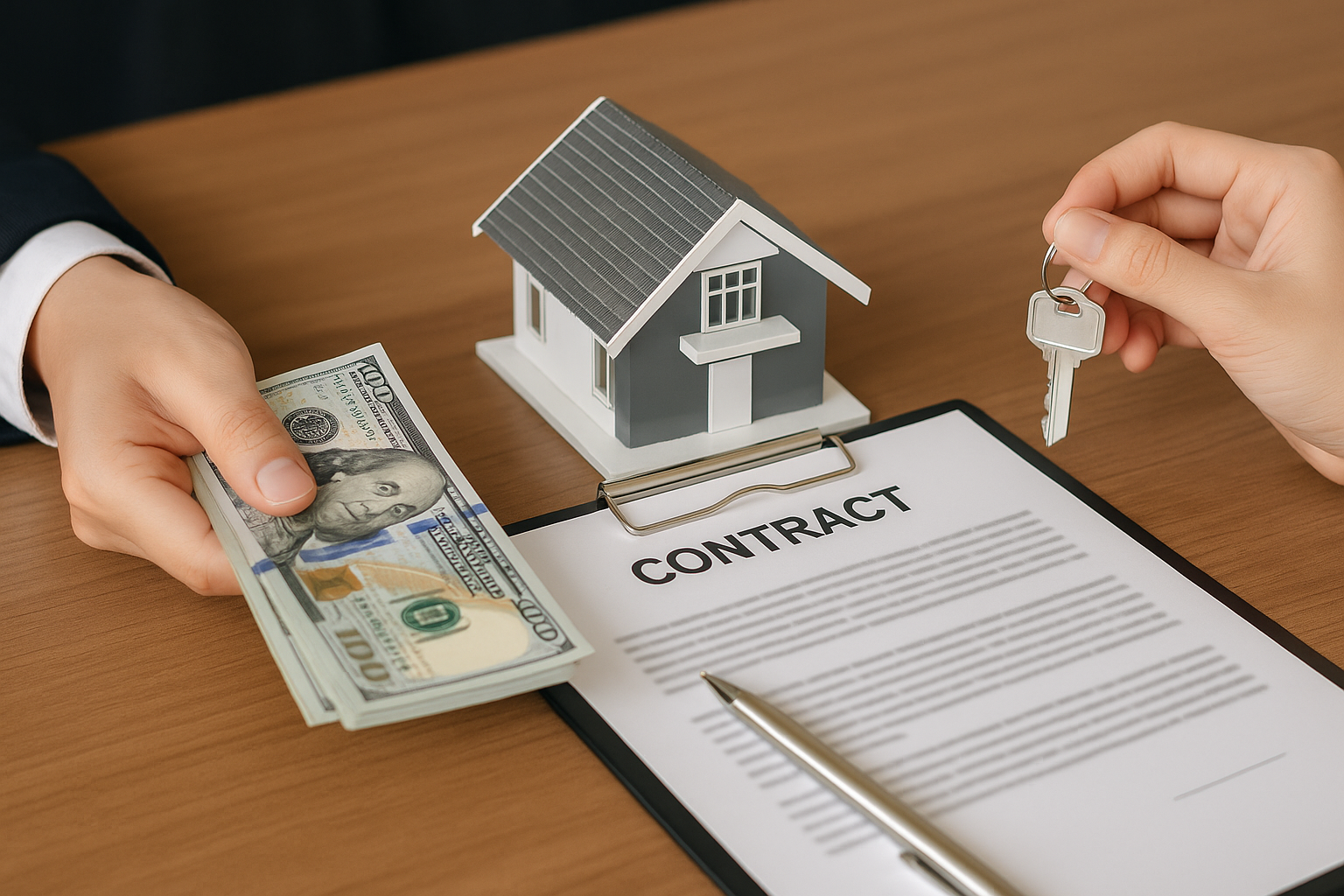
5. Sign a Purchase Agreement
Once terms are agreed, sign a purchase agreement that outlines price, closing date, contingencies, and responsibilities. While cash deals tend to be simpler, a clear contract protects both parties and reduces last-minute surprises.
6. Close the Sale
Closing a cash sale is typically quicker and more straightforward:
- Funds are transferred—often wired—to an escrow or title company.
- Closing documents are signed, including deed transfer paperwork.
- Title is recorded, and you receive final settlement figures and proceeds.
Because there’s no lender, you avoid loan underwriting and appraisal delays, making same-week closings possible in some cases.
Common Pitfalls and How to Avoid Them
- Unverified funds: Always request proof of funds before relying on an offer.
- Lowball offers: Get multiple bids and understand your market value.
- Title issues: Run a title search early to identify liens or judgments that could delay closing.
- Scams: Beware of buyers who pressure you into skipping escrow or signing vague contracts.
Timeline: What to Expect
Cash home sale timelines vary, but a straightforward transaction can close in as little as 7–14 days. Typical timeline stages:
- Offer to acceptance: 1–3 days
- Inspection and title search: 3–10 days
- Closing and fund transfer: 1–3 days
If complications arise (title issues, required repairs), add extra time to resolve them.
Tips to Get the Best Outcome
- Shop multiple cash buyers to compare net offers, not just headline price.
- Use a reputable escrow or title company to handle funds and documents.
- Consider consulting a real estate attorney if the transaction is complex.
- Keep communication documented and request proof of funds in writing.
Conclusion
The cash home sale process offers speed and certainty, making it an excellent option for sellers who prioritize a fast, uncomplicated transaction. By preparing documents, vetting buyers, understanding common pitfalls, and using a trusted title or escrow service, you can close quickly and confidently. With the right approach, a cash sale can be a stress-free way to move on to your next chapter.