What is a cash sale?
A cash sale occurs when a buyer purchases a home without using mortgage financing. Instead of relying on a lender, the buyer pays the full purchase price in cash, certified funds, or a cash-equivalent transfer. Cash transactions can close faster and involve fewer contingencies than financed sales, but they also influence how a home’s value is calculated and negotiated.
How cash offers affect home value
Cash offers often change the practical market value of a property, even if they don’t alter the home’s intrinsic worth. Sellers commonly receive lower offers from cash buyers because those buyers factor in speed, convenience, and the risk of buying a property “as-is.” At the same time, a clean cash offer can be more attractive than a higher financed offer that may fall through due to appraisal or underwriting issues.
Why cash buyers offer less
- Risk premium: Cash buyers — especially investors or iBuyers — often plan renovations or resales and discount offers to cover potential repairs, holding costs, and resale risk.
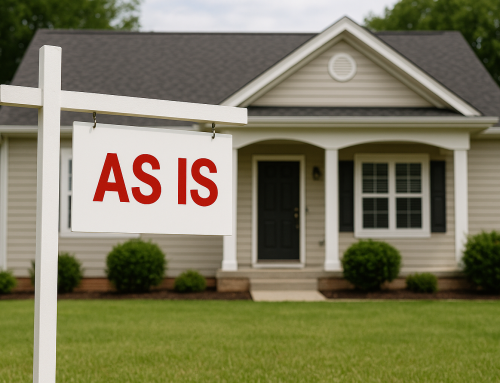
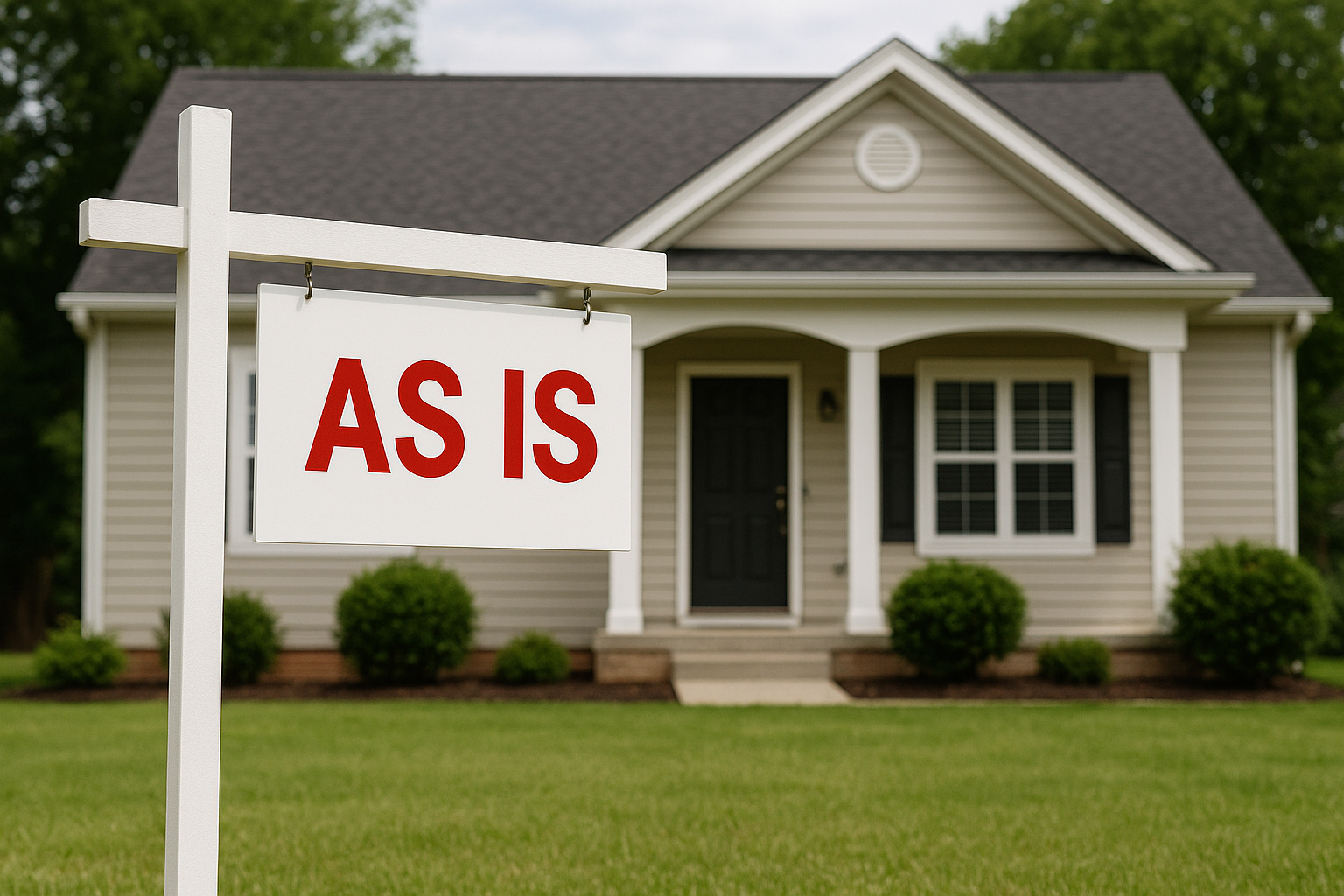
- As-is purchases: Cash buyers typically expect to buy without seller repairs or concessions, so they reduce the offer to account for unknown issues.
- Convenience discount: Sellers pay a premium for certainty and speed; cash buyers capture some of that value by offering a lower price in exchange for quick, guaranteed closing.
Factors that influence cash sale value
Property condition
Condition is often the single biggest determinant. A home in excellent shape will attract higher cash offers because the buyer’s projected repair costs are lower. Conversely, properties with deferred maintenance, structural problems, or outdated systems will see larger discounts.
Comparable sales (comps)
Even in cash transactions, comparables set the anchor for value. Buyers and sellers should review recent, similar sales in the neighborhood. Be mindful that distressed or heavily discounted comps can depress perceived market value.
Location and market conditions
Hot markets with low inventory can push cash offers up, while buyers have more leverage in slow markets. Local demand, school districts, and proximity to amenities also affect how aggressively cash buyers will bid.
Speed and certainty
Cash buyers often close faster and remove financing contingencies. That certainty can justify a higher effective sale price for sellers who prioritize a quick closing, even if the nominal cash offer is lower than financed offers.
Title, liens, and legal issues
Properties with clear title are more attractive. Cash buyers will discount offers if there are liens, unresolved code violations, or legal complications because those issues add cost and delay.
How to determine a fair cash sale value
Compare recent cash and financed sales
Look specifically at recent cash sales in your area to understand the market discount relative to financed transactions. Some properties sell consistently at a certain percentage below financed sales, which becomes a useful benchmark.
Get a professional appraisal or broker price opinion
An appraisal provides an objective assessment of value, while a broker price opinion (BPO) gives a market-based estimate with local agent insight. Either can help you evaluate whether a cash offer is reasonable.
Estimate repair costs accurately
Request written repair estimates from contractors or use conservative line-item estimates. Subtract these costs from comparable market value to see what a cautious cash buyer might offer.
Use a net proceeds calculator
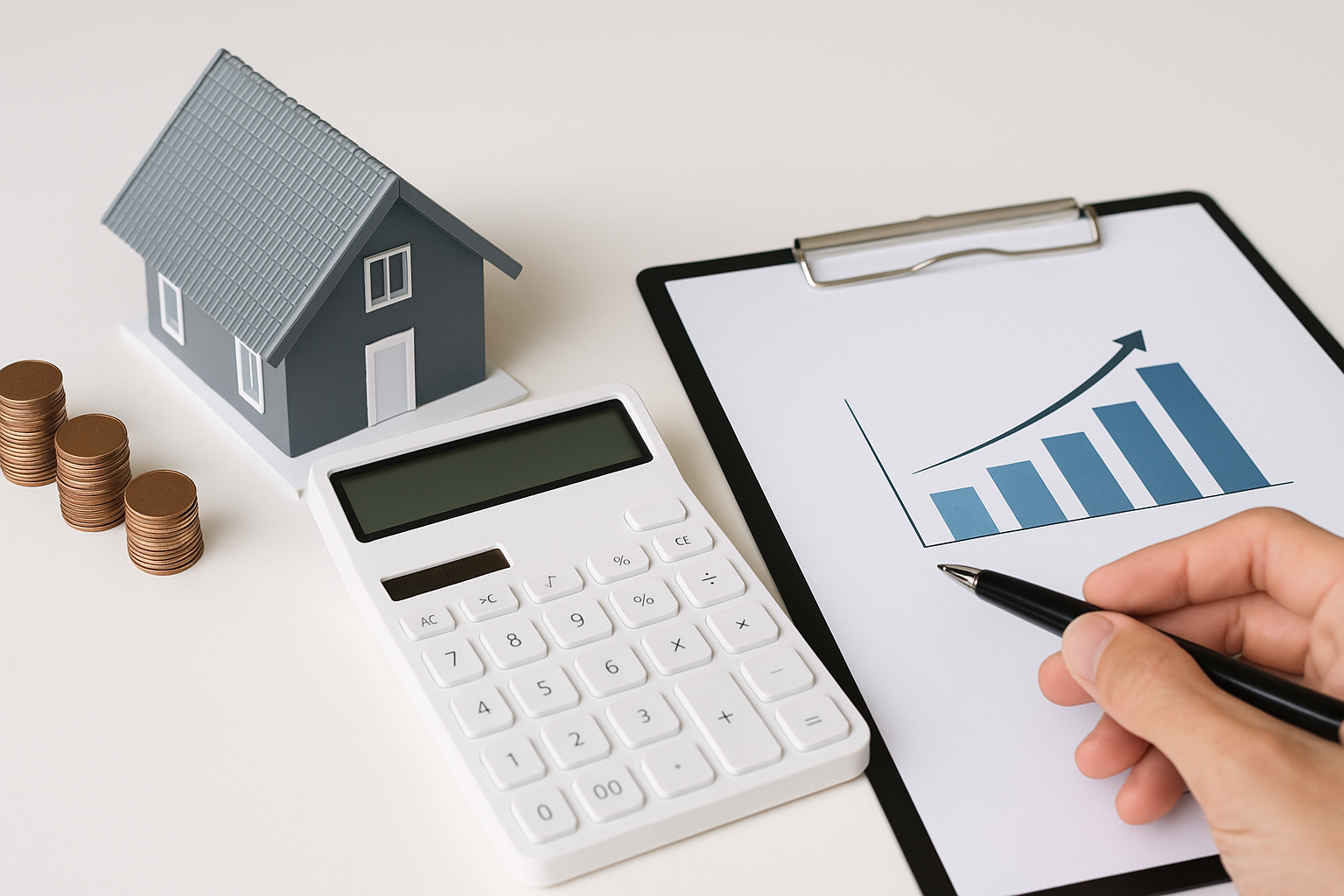
Factor in closing costs, concessions, and any payout of liens or mortgage balances to determine how much you’ll actually receive. A slightly lower cash offer with minimal closing costs and a fast timeline might produce higher net proceeds than a better-faced financed offer with prolonged contingencies.
Negotiation strategies for sellers
- Request proof of funds to confirm the buyer’s ability to close.
- Ask for a shorter inspection contingency or an inspection period that allows some negotiation while preserving speed.
- Negotiate earnest money and closing timeline to protect against buyer walkaways.
- Consider multiple offers: having competing cash and financed offers can increase your leverage.
- Make limited, targeted repairs that yield the highest return instead of addressing every issue; sometimes a small investment significantly increases offers.
Common pitfalls and how to avoid them
Beware of low-ball cash offers that take advantage of sellers in distress. Verify buyer credentials and get everything in writing. Avoid skipping a title search or basic due diligence even when the transaction is cash — problems discovered after closing are difficult to reverse. Finally, evaluate the true cost of a sale: a speedy cash exit might sacrifice some price but save on months of mortgage payments, taxes, and carrying costs.
Conclusion
Cash sales offer speed and certainty but typically come with lower nominal offers. To determine whether a cash offer is fair, compare local cash and financed comps, get solid repair estimates, and calculate net proceeds. With the right information and careful negotiation, sellers can choose the option that best meets their financial and timing needs.