Introduction
Selling a house quickly doesn’t have to mean slashing your price or settling for a bad deal. With the right preparation, pricing, and marketing, you can attract serious buyers and close fast while protecting your profit. This guide walks through practical steps to sell your house fast—whether you’re motivated by a new job, a life transition, or simply want to move on.
Prepare Your Home for a Fast Sale
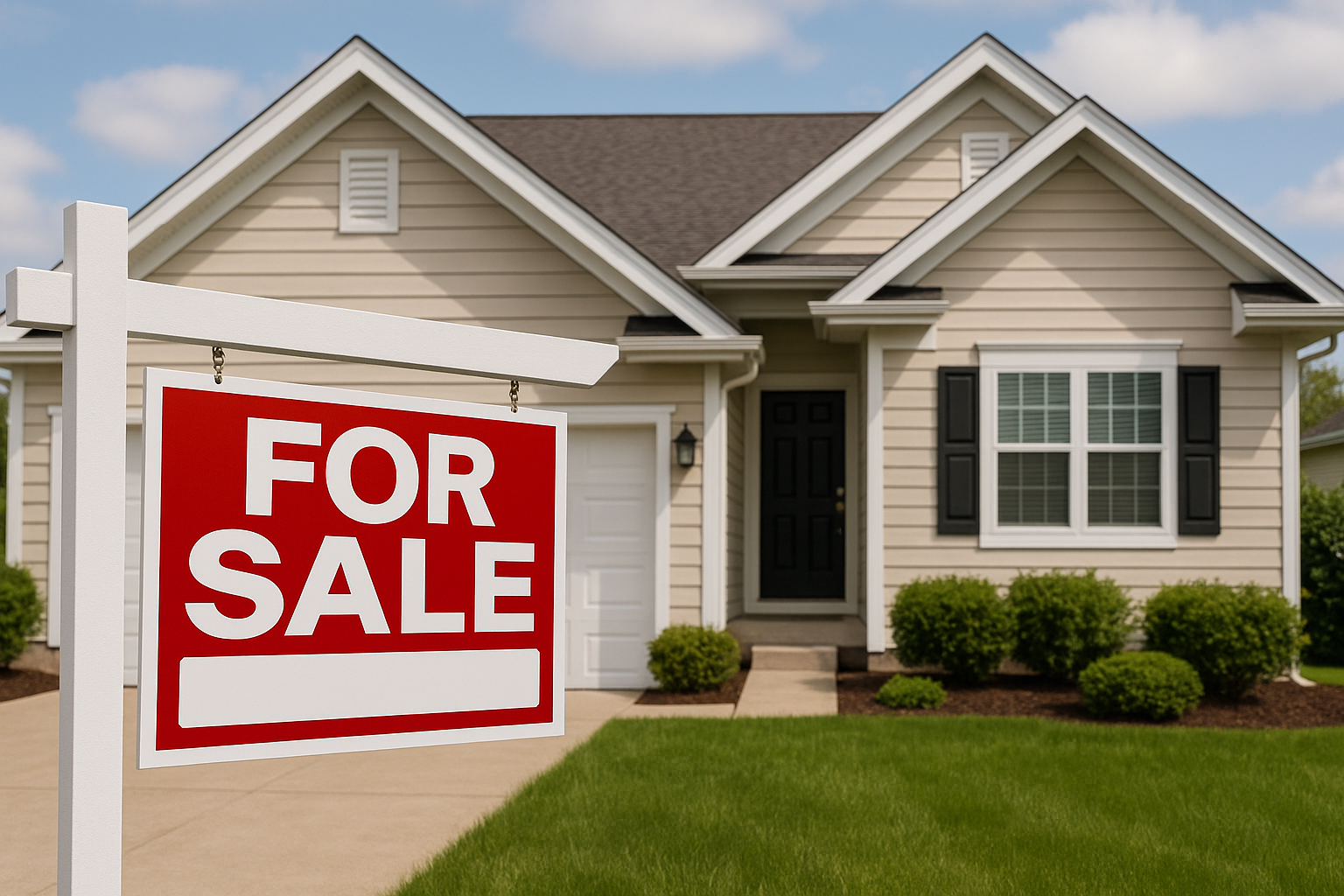
Boost curb appeal
First impressions matter. Simple, low-cost updates to your property’s exterior can create strong buyer interest before anyone steps inside. Focus on:
- Freshening paint or cleaning siding
- Maintaining the lawn, trimming shrubs, and adding potted plants
- Repairing walkways, replacing old house numbers, and updating light fixtures
Declutter, depersonalize, and deep clean
A tidy, neutral space helps buyers imagine themselves living in your home. Remove excess furniture, pack away personal photos, and deep clean kitchens and bathrooms. Rent a storage unit if needed—emptier rooms look larger and more appealing.
Make targeted repairs and updates
Prioritize fixes that benefit buyers most: leaky faucets, broken tiles, outdated lighting, and minor roof or HVAC issues. Avoid large-scale renovations unless they provide a clear return on investment for your market.
Stage strategically
Staging highlights the best features and creates an emotional connection. You can hire a professional stager or stage yourself by arranging furniture to show flow, adding fresh linens, and using neutral decor to enhance light and space.
Price It Right From Day One
Work with local market data
Accurate pricing is the single most important factor in selling fast. Review recent comparable sales, current inventory, and average days on market in your neighborhood. Overpricing usually leads to long listing times and lower eventual sale prices.
Consider an aggressive but realistic price
Setting a slightly competitive price can generate interest and multiple offers, especially in a seller-friendly market. If you’re unsure, consult a trusted local agent for a comparative market analysis (CMA).
Market Smartly and Widely
Invest in professional photos and virtual tours
Most buyers start online. High-quality photos, a virtual tour, and clear floor plans make your listing stand out. Poor images or no virtual walkthroughs can dramatically reduce online engagement.
Write a compelling listing description
Highlight unique selling points: recent upgrades, proximity to schools or transit, energy-efficient features, and flexible spaces. Keep the description concise but informative.
Use multiple channels
- List on the MLS to reach agents and buyers
- Promote on major portals like Zillow, Realtor.com, and local sites
- Share across social media and neighborhood groups
- Consider boosted posts or targeted ads for quick visibility
Streamline Showings and Negotiations
Be flexible with showings
More showings generally mean a faster sale. Offer convenient showing windows, allow last-minute viewings when possible, and keep the home show-ready.
Pre-inspect and disclose
A pre-listing inspection identifies issues that can be fixed ahead of time or transparently disclosed. This can speed up closing and reduce negotiation hurdles.
Respond quickly and consider multiple offers
Quick communication with buyers’ agents shows professionalism and helps keep offers moving. If you receive multiple offers, evaluate them based on price, closing timeline, contingencies, and financing certainty—not just the highest number.
Consider Faster Selling Options
Work with an experienced listing agent
A proactive agent uses pricing strategy, negotiation skills, and a broad network to accelerate your sale. Ask for references and a clear marketing plan.
iBuyers and cash buyers
Companies that buy homes directly (iBuyers) or local cash investors can close within days. Expect to accept a lower net price after fees, but this route removes uncertainty and speeds the timeline.
Sell ‘as-is’ or use an auction
For properties that need significant repair, selling ‘as-is’ to investors or holding a timed auction can produce a fast outcome. Each option has trade-offs—understand fees and buyer pools before choosing.
Final Tips to Keep the Process Moving
- Organize paperwork early: title, warranties, utility bills, and permits
- Set a realistic timeline and communicate it to your agent and buyers
- Be prepared to negotiate and consider concessions that preserve speed, like paying for a short inspection window or flexible closing dates
Conclusion
Selling your house fast is achievable with focused preparation, smart pricing, and effective marketing. Choose the selling method that matches your priorities—speed, net proceeds, or convenience—and move forward with a clear plan. With the right strategy, you can sell quickly without sacrificing control or value.