Should I Sell My Home for Cash?
If you’ve seen ads saying “We buy houses for cash” or “Sell your home in 7 days,” you might be wondering if a cash sale is right for you. Selling your home for cash can be a smart move in certain situations, but it isn’t always the best financial choice. Understanding how cash offers work, when they make sense, and what trade-offs you’re making will help you decide with confidence.
What Does It Mean to Sell Your Home for Cash?
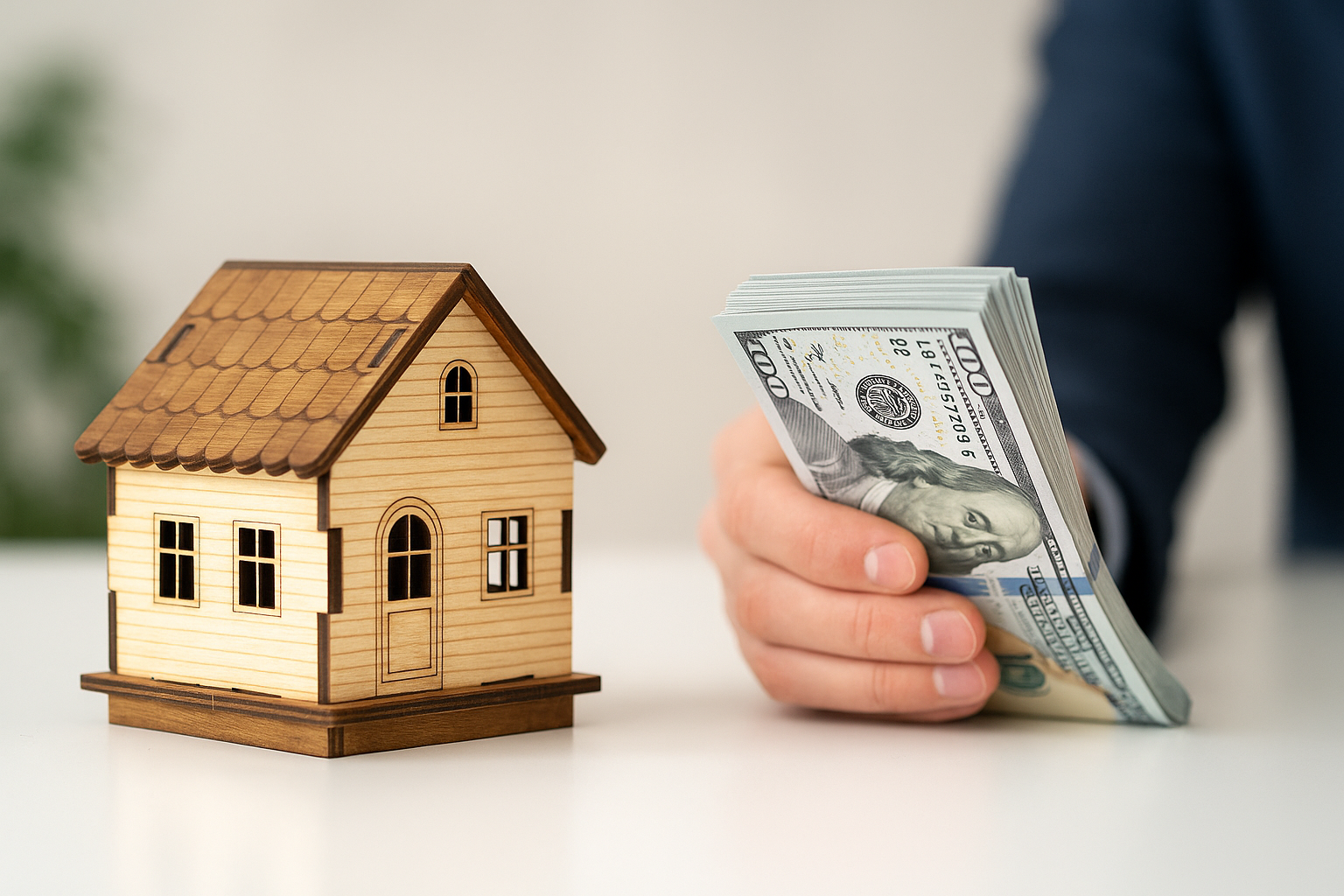
When you sell your home for cash, a buyer purchases your property without using a mortgage or other financing. This doesn’t always mean they hand over a suitcase of money; it simply means they have the funds available (or access to immediate funds) and don’t need lender approval.
Common types of cash buyers include:
- Real estate investors and flippers who plan to renovate and resell the property.
- Buy-and-hold investors who keep homes as rentals.
- iBuyers or home-buying companies that use technology to make quick offers.
- Individual buyers who have enough savings or cash from a previous sale.
The main appeal is speed and simplicity: fewer contingencies, no lender delays, and a more predictable closing.
Pros of Selling Your Home for Cash
1. Faster Closing Timeline
A traditional sale with a mortgage can take 30–60 days from contract to closing. With a cash buyer, you can often close in as little as 7–14 days, sometimes even faster if both sides are ready. There’s no loan underwriting, appraisal required by the lender, or waiting on final approval.
This faster timeline can be a big advantage if you’re relocating quickly, facing a major life change, or trying to avoid additional months of mortgage payments and holding costs.
2. Less Risk of the Deal Falling Through
In financed deals, sales frequently fall apart because:
- The buyer’s loan is denied late in the process.
- The home appraises for less than the purchase price.
- The buyer can’t meet lender conditions or deadlines.
With a cash offer, there’s no lender involved, so one of the biggest sources of uncertainty disappears. While buyers can still back out for inspection or contract reasons, all-cash contracts tend to be more reliable.
3. Potential to Sell As-Is
Many cash buyers—especially investors and home-buying companies—are willing to purchase your home as-is. That means:
- No expensive pre-listing repairs or upgrades.
- Minimal or no staging and cosmetic work.
- Less time spent coordinating contractors.
If your property needs significant work, a cash buyer may overlook issues that would scare away traditional buyers or cause problems with a lender’s appraisal and inspection standards.
4. Simpler, Less Stressful Process
Cash sales often involve:
- Fewer showings and open houses.
- Less haggling over minor repairs after inspection.
- Streamlined paperwork and fewer contingencies.
For sellers who are overwhelmed, dealing with an estate, going through a divorce, or managing a move on a tight schedule, the convenience of a cash sale can be worth a lot.
Cons of Selling Your Home for Cash
1. You May Get a Lower Sale Price
The biggest trade-off is usually price. Cash buyers, especially investors, build in a profit margin and risk buffer. They typically offer less than what you might get on the open market with traditional buyers.
How much less? It varies, but it’s common to see offers 5–20% below what a real estate agent might list your home for, depending on condition, location, and demand. If your top priority is maximizing profit, a cash offer might not be your best option.
2. Risk of Working With Predatory Buyers
While many cash buyers are reputable, some use high-pressure tactics or take advantage of sellers in distress. Warning signs include:
- Insisting you sign paperwork immediately without time to review.
- Refusing to put details in writing.
- Changing terms at the last minute before closing.
- Not allowing you to involve your own attorney or agent.
Always vet any cash buyer, read contracts carefully, and consider getting independent legal or real estate advice before signing.
3. Limited Opportunity for Multiple Offers
Listing your home publicly gives you exposure to a large pool of buyers. In a strong market, that can lead to multiple offers and bidding wars that drive up your sale price. When you go straight to a single cash buyer or home-buying company, you’re giving up the competitive pressure that might increase your profit.
When Selling Your Home for Cash Makes Sense
There’s no one-size-fits-all answer, but cash sales can be especially sensible in these situations:
- You need to sell quickly. Relocating for a job, avoiding foreclosure, or handling a time-sensitive divorce or estate settlement are common reasons.
- Your home needs major repairs. Structural issues, outdated systems, or serious damage can make traditional buyers and lenders hesitant, while investors may see opportunity.
- You can’t or don’t want to make repairs. If you’re short on cash, time, or energy, an as-is sale may be worth a lower price.
- You value certainty over maximizing profit. If a guaranteed, quick closing is more important than squeezing every dollar out of the sale, a fair cash offer can be attractive.
- The local market is slow. In a buyer’s market with long listing times, a cash buyer might save you months of waiting and carrying costs.
How to Evaluate a Cash Offer on Your Home
Before saying yes to a cash buyer, take a step back and evaluate the full picture, not just the headline number.
1. Compare Net Proceeds, Not Just Price
Calculate what you’ll actually walk away with in different scenarios:
- Cash offer: Offer price minus any closing costs, fees, back taxes, or liens.
- Traditional sale: Likely sale price minus agent commissions, repair and staging costs, seller-paid closing costs, and extra months of mortgage, utilities, and insurance.
Sometimes a lower cash price can be comparable to (or even better than) a traditional sale once you factor in savings on repairs and holding costs.
2. Verify Proof of Funds
Ask the buyer for documentation showing they actually have the money to close, such as:
- A recent bank statement or letter from their bank.
- For companies, a proof-of-funds letter from their financial institution.
This simple step helps you avoid wasting time on buyers who can’t perform.
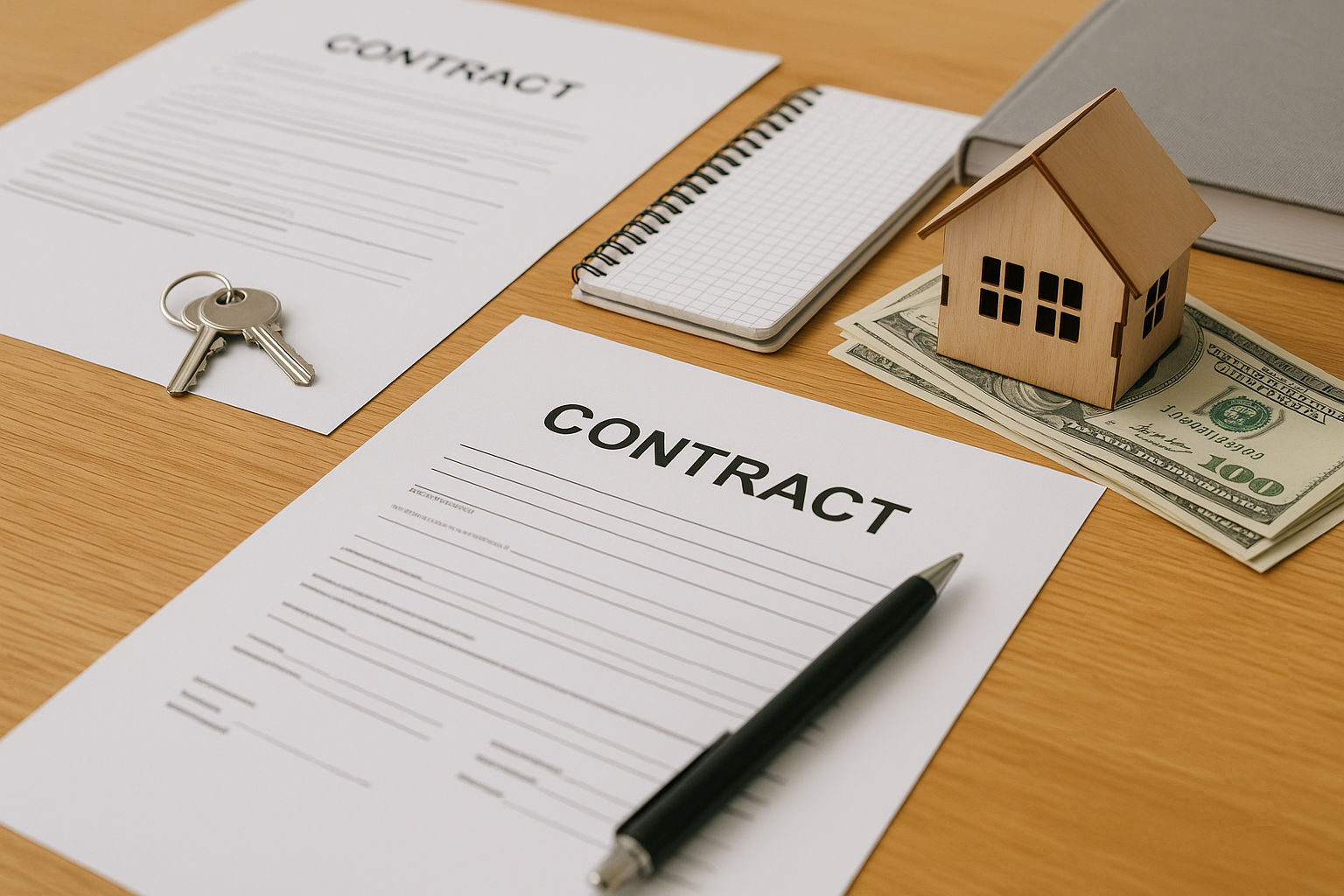
3. Review the Contract Carefully
Key points to examine include:
- Contingencies: Are they still requiring an inspection or giving themselves broad outs?
- Closing date: Does it align with your timeline?
- Fees and credits: Are there any hidden fees, or requests for large credits at closing?
- Earnest money deposit: Is the buyer putting down a meaningful deposit to show commitment?
If you’re not comfortable reviewing the contract on your own, involve a real estate attorney or licensed agent.
4. Get Multiple Offers When Possible
If time allows, solicit more than one cash offer. You can:
- Reach out to a few different local investors or home-buying companies.
- Talk with a real estate agent about marketing your home specifically to cash buyers.
- List your home on the open market and give preference to cash offers that come in.
Multiple offers give you leverage and help you determine whether a particular cash bid is competitive.
Conclusion: Is a Cash Sale Right for You?
Selling your home for cash can be a powerful option when you need speed, certainty, or an as-is sale. However, you’ll almost always trade some potential profit for that convenience. The key is to run the numbers, understand the terms, and weigh what matters most to you right now—maximum price, or a fast, low-stress closing.
If you’re considering a cash sale, take time to compare your net proceeds, verify the buyer’s funds, and, when possible, get professional advice. With the right information, you can choose the path that best fits your financial goals and life circumstances.