- Understanding Wholesalers
- Pros of Working with Wholesalers
- Cons of Working with Wholesalers
- Exploring Real Estate Agents
- Pros of Using Real Estate Agents
- Cons of Using Real Estate Agents
- Making the Right Choice
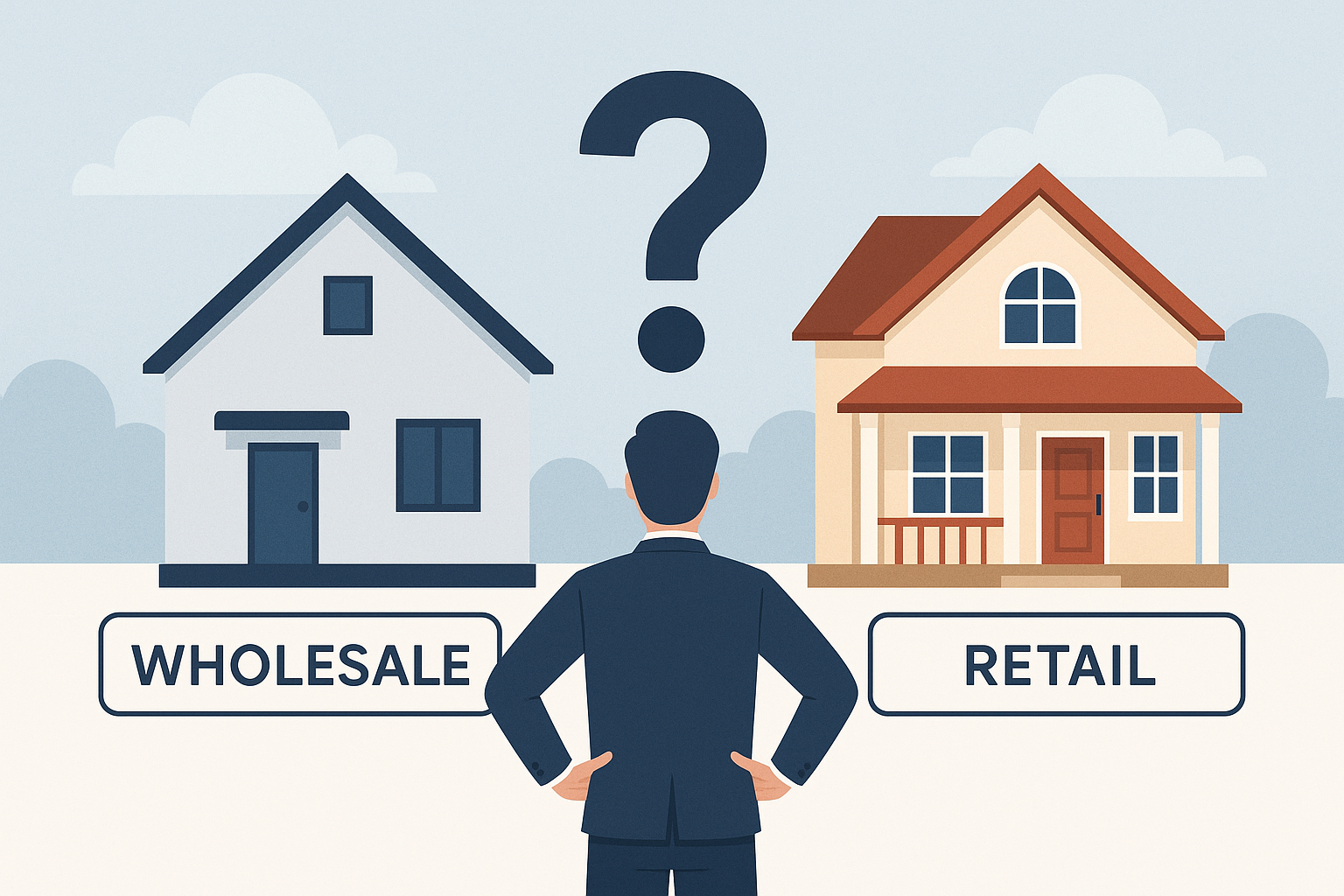
When it comes to selling a home quickly, many homeowners find themselves at a crossroads: should they work with a wholesaler or enlist the help of a traditional real estate agent? Each option has its advantages and disadvantages, and it’s essential to weigh them carefully to determine the best fit for your needs.
Understanding Wholesalers
Wholesalers play a pivotal role in the real estate market. Typically, they operate by finding distressed properties, negotiating a purchase agreement with the homeowner, and then selling that contract to an investor for a fee. This method can be particularly advantageous for those looking to sell their homes fast.
Pros of Working with Wholesalers
1. Speed and Simplicity: One of the primary benefits of wholesaling is the speed of the transaction. Wholesalers can often complete a deal in days, which can be appealing for homeowners who need cash for home quickly.
2. No Repairs Needed: Often, wholesalers are interested in purchasing properties “as-is”. This means homeowners can avoid the hassle and expense of repairs and updates.
3. Less Marketing Effort: Unlike real estate agents, wholesalers usually handle the marketing themselves. This can save homeowners valuable time and effort.
4. Cash Offers: Many wholesalers are cash buyers, which can hasten the closing process and eliminate contingencies typically associated with financed offers.
Cons of Working with Wholesalers
1. Lower Sale Price: One significant downside to working with a wholesaler is that homeowners may receive less for their property compared to what they might earn through traditional routes. Wholesalers need to factor in their profit margins, which can result in lower offers.
2. Inexperienced Operators: Not all wholesalers are professionals. Homeowners must carefully vet any wholesaler to ensure they are working with someone reliable and trustworthy.
3. Potential for Closing Issues: Because wholesalers act as middlemen, there may be complications at closing, especially if they cannot find a buyer for the contract.
Exploring Real Estate Agents
Real estate agents provide a more traditional route for selling homes. They act as intermediaries, representing the homeowner to help market the property, negotiate deals, and handle paperwork.
Pros of Using Real Estate Agents
1. Higher Sale Price: Real estate agents have the expertise to market properties effectively, which often results in a higher selling price compared to a wholesaler’s cash offer.
2. Long-Term Expertise: Many agents have experience and training in the housing market, making them invaluable for pricing, negotiation, and legal aspects of the sale.
3. Professional Network: Agents have access to various marketing tools and a network of potential buyers, increasing the chances of a successful sale.
4. Guidance Throughout the Process: A good agent can provide support and insights throughout the entire transaction, from listing to closing.
Cons of Using Real Estate Agents
1. Time-Consuming: Selling through a real estate agent can take longer due to showings, negotiations, and other market variables, which may not suit homeowners who need to sell home fast.
2. Commissions and Fees: Agents typically charge a commission, which can range from 5% to 6% of the selling price. This can significantly cut into profits.
3. Staging and Repairs Required: Often, agents will encourage sellers to make repairs or stage their homes to attract buyers, which can add to the initial investment before the home sells.
Making the Right Choice
Deciding between a wholesaler and a real estate agent largely depends on individual circumstances. For homeowners in urgent need of cash for home, working with a wholesaler might seem like the most expedient route. However, if time allows and potential profitability is a priority, engaging a real estate agent might be the more advantageous option.
Understanding the pros and cons of each method is crucial. Evaluate your personal goals, financial needs, and the condition of your property. Armed with this information, you can confidently make a choice that best aligns with your situation. Whether you’re selling in a hurry or looking to maximize your return, knowing all your options will empower you on your journey to selling your home.