- 1. Overpricing Your Home
- 2. Poor Presentation
- 3. Inadequate Marketing
- 4. Unsuitable Timing
- 5. Unpleasant Neighborhood Factors
- 6. Being Inflexible with Showings
- 7. Not Considering Offers Wisely
- 8. Lack of Professional Help
- Conclusion
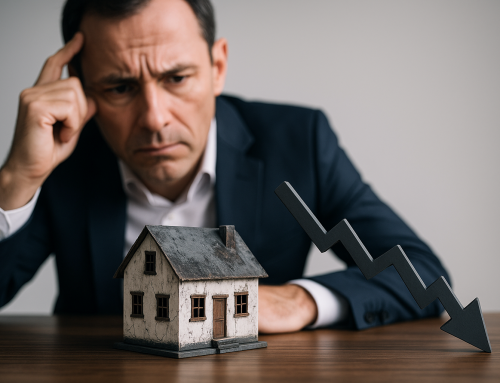
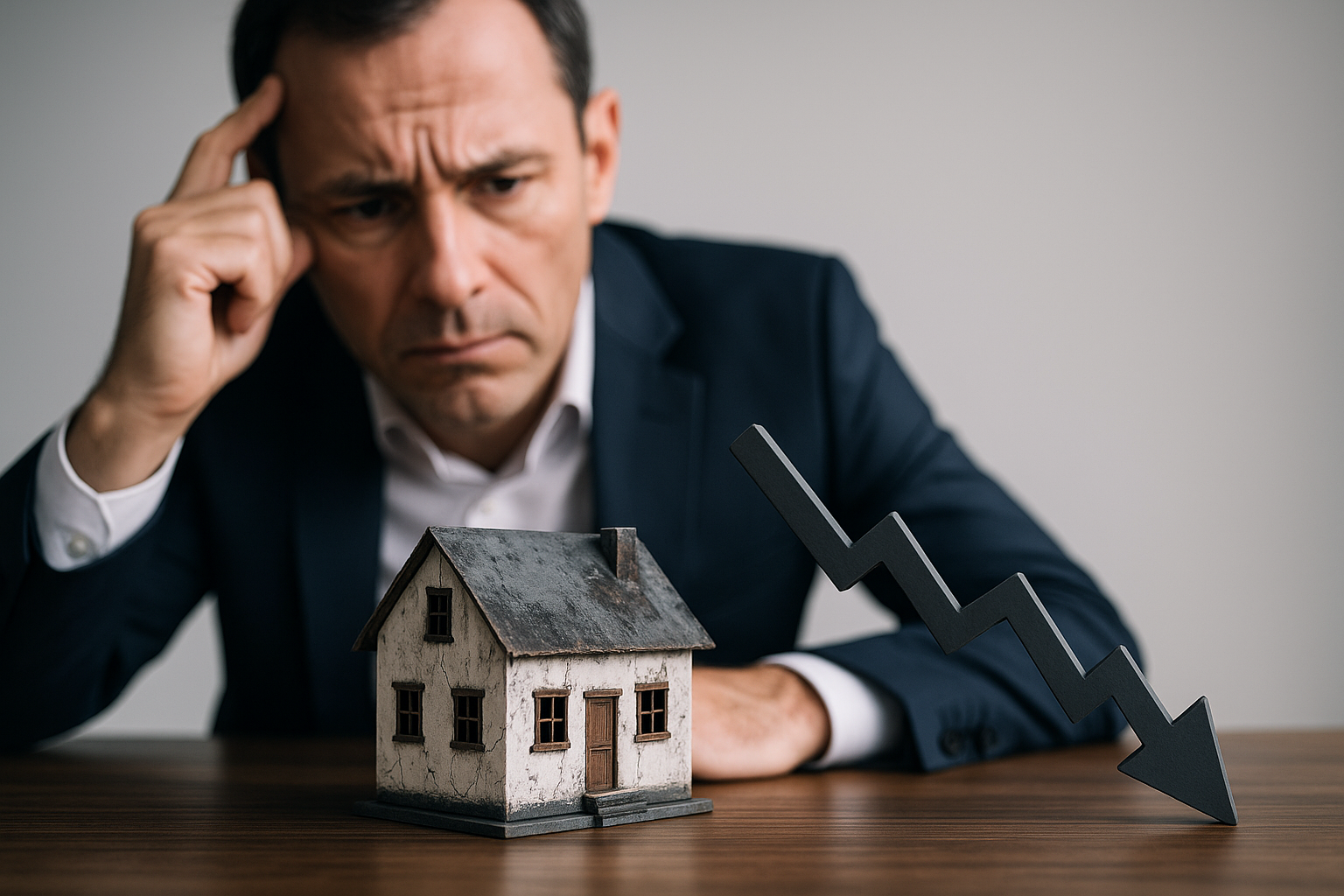
When you’re eager to sell your home, nothing can be more frustrating than watching it linger on the market. There are numerous factors that can affect the speed of a home sale, and understanding these can make all the difference in achieving your goal. Here are some of the top reasons your home might not be selling and what you can do to change that.
1. Overpricing Your Home
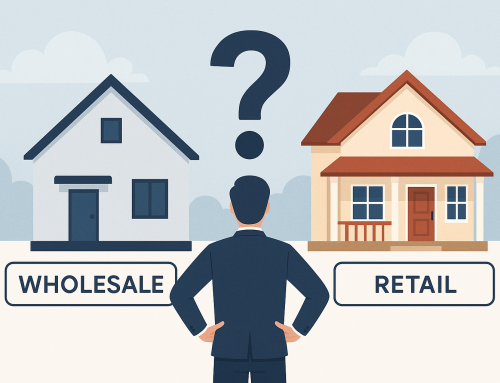
One of the most common reasons homes fail to sell is due to overpricing. Sellers often have emotional attachments to their homes and may not view their property objectively. To sell your home fast, it’s crucial to research comparable properties in your area and set a realistic price. Consider seeking professional appraisals to confirm the fair market value.
2. Poor Presentation
First impressions matter, especially in real estate. If your home is cluttered or poorly maintained, potential buyers may be turned off immediately. Invest time in decluttering, cleaning, and staging your home to make it more inviting. Small repairs and a fresh coat of paint can go a long way in creating a welcoming atmosphere.
3. Inadequate Marketing
If your home is not getting the exposure it deserves, it will likely sit on the market longer. Ensure you are using a mix of online and offline marketing strategies. High-quality photographs, engaging descriptions, and virtual tours can enhance your listing. Additionally, utilizing social media platforms and local listings can broaden your reach, attracting more potential buyers.
4. Unsuitable Timing
Market conditions can greatly affect the speed of selling a home. Certain times of the year—such as spring and summer—typically see more buyers in the market. If you’re trying to sell in a slower season, it may take longer than expected. Assess the local real estate trends to find the most opportune time to list your home.
5. Unpleasant Neighborhood Factors
The surrounding area plays a significant role in a buyer’s interest. Factors such as noise pollution, nearby schools, and community amenities can attract or deter potential buyers. If your neighborhood has downsides, consider advantageous upgrades to your home or ways to highlight the positives of your location.
6. Being Inflexible with Showings
If your schedule makes it difficult for potential buyers to view your home, you may restrict your selling prospects. Flexibility is key in accommodating showings. The more accessible your home is to potential buyers, the higher your chances of selling quickly.
7. Not Considering Offers Wisely
Sometimes, sellers may dismiss offers that they perceive to be too low without negotiation. Even if an offer is below your asking price, consider negotiating. You might be surprised by how flexible potential buyers can be, especially if they are motivated to sell their current home or seeking cash for home deals.
8. Lack of Professional Help
The home-selling process can be complex, and going it alone can lead to mistakes that hinder your sale. Hiring a knowledgeable real estate agent who understands the local market can provide guidance and strategic insight. They can help you set a competitive price and create an effective marketing plan to sell your home fast.
Conclusion
If your home isn’t selling as quickly as you’d hoped, it’s time to assess the situation. By addressing the factors contributing to a slow sale—such as pricing, marketing, and presentation—you can improve your chances of attracting buyers. With the right approach and perhaps assistance from professionals, you can expedite your home-selling journey, moving closer to your goals. Whether you’re looking for cash for home deals or just want to sell fast, being informed is your best strategy.