- 1. Pricing Problems
- 2. Poor Curb Appeal
- 3. Inadequate Marketing
- 4. Condition of the Home
- 5. Unwelcoming Atmosphere
- 6. Timing Issues
- 7. Lack of Flexibility in Showings
- 8. Bad Location
- Conclusion
Selling a home can be a complex process, and the frustration of a property that lingers on the market longer than expected can be overwhelming. If you’re looking to sell home fast but are facing roadblocks, understanding the potential reasons why your home isn’t attracting buyers is crucial. Here are some common reasons that could be hindering your sale and insights on how to address them effectively.
1. Pricing Problems
One of the primary culprits behind homes that fail to sell is incorrect pricing. If your home is priced too high, it may deter potential buyers, while pricing it too low might raise suspicions about its condition. Conduct a competitive market analysis to determine a fair price based on similar properties in your neighborhood. Enlisting the help of a knowledgeable real estate agent can also provide valuable insights. Remember, flexibility in your pricing strategy is essential, especially if you’re eager to sell home fast.
2. Poor Curb Appeal
First impressions matter. If a prospective buyer’s initial view of your home is uninviting, they may not even want to step inside. Simple enhancements such as fresh landscaping, a painted front door, or a well-maintained walkway can significantly boost curb appeal. A clean, welcoming exterior can entice buyers and potentially lead to quicker offers.
3. Inadequate Marketing
Having a well-thought-out marketing strategy is key to attracting buyers. In today’s digital age, relying solely on traditional methods such as yard signs or local classifieds may not suffice. An effective online presence through high-quality photos, virtual tours, and listings on popular real estate platforms can exponentially increase your property’s visibility. If you feel overwhelmed, consider partnering with a real estate professional who can create a comprehensive marketing plan for your home.
4. Condition of the Home
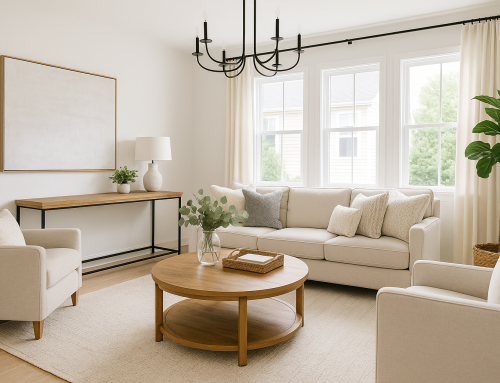
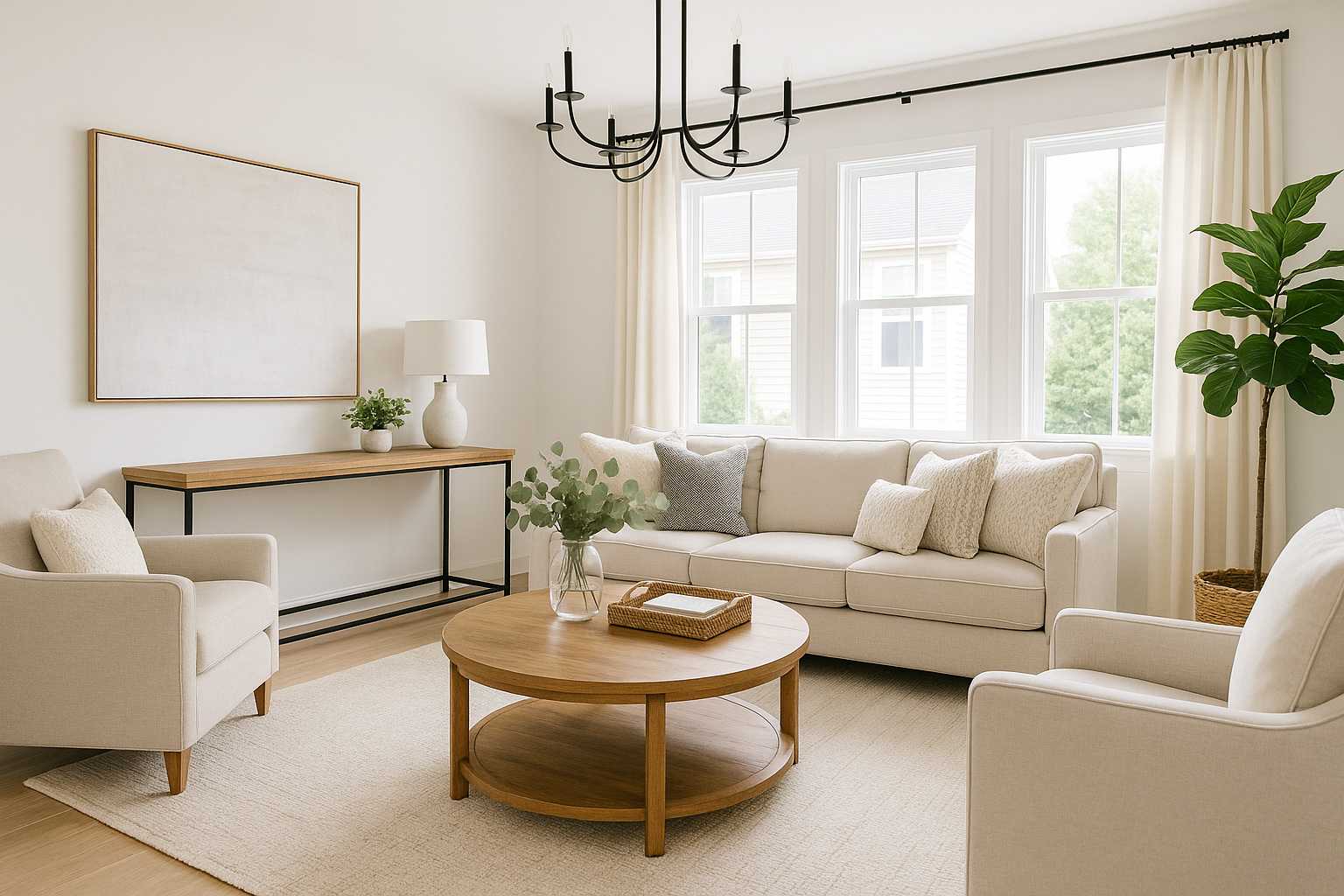
Condition is paramount when it comes to selling a house. If your home requires significant repairs or updates, these issues can drastically affect a buyer’s interest and willingness to make an offer. Consider investing in minor renovations or staging the home to highlight its best features. Even small fixes, like a fresh coat of paint or new fixtures, can make a considerable difference in how potential buyers perceive your property.
5. Unwelcoming Atmosphere
Buyers want to envision themselves in your space. A home filled with clutter, personalized decor, or strong odors can be a significant turn-off. Decluttering, depersonalizing, and professionally cleaning your home can create a neutral environment, making it easier for buyers to imagine living there. Additionally, consider using pleasant but subtle scents, such as fresh coffee or baked goods, to create an inviting atmosphere during showings.
6. Timing Issues
The timing of your sale can affect how quickly your home will sell. Certain times of the year, such as spring and summer, generally see more buyer activity. If your home is on the market during a slow season, it might be wise to reassess your timing. Be aware of local market trends to find the optimal season for selling.
7. Lack of Flexibility in Showings
Limiting showings can drastically reduce your home’s exposure to potential buyers. Flexibility is crucial; being open to various viewing times shows serious interest and respect for potential buyers’ schedules. If you’re uncomfortable with showings at odd hours, consider a professional service that can facilitate secure access.
8. Bad Location
While you cannot change the location of your home, understanding its impacts can help you sell it more effectively. If your property is in a less desirable area, focus on highlighting the benefits of your home, such as its size, features, or pricing. If necessary, consider alternatives like cash for home offers that may become the fastest route away from a challenging market.
Conclusion
Understanding the reasons your home might not be selling is the first step towards effective solutions. By correctly pricing the property, enhancing its appeal, and employing a solid marketing strategy, you can significantly improve your chances of a quick sale. Moreover, being open to feedback and making adjustments can lead to a successful outcome. If all else fails, local investors may provide options such as cash for home deals, allowing for a swift and hassle-free sale. Remember, taking proactive measures can change the trajectory of your selling experience.