- Understanding the Market
- Pros of Selling Your Home Fast
- Cons of Selling Your Home Fast
- Pros of Renting Your Home
- Cons of Renting Your Home
- Making Your Decision
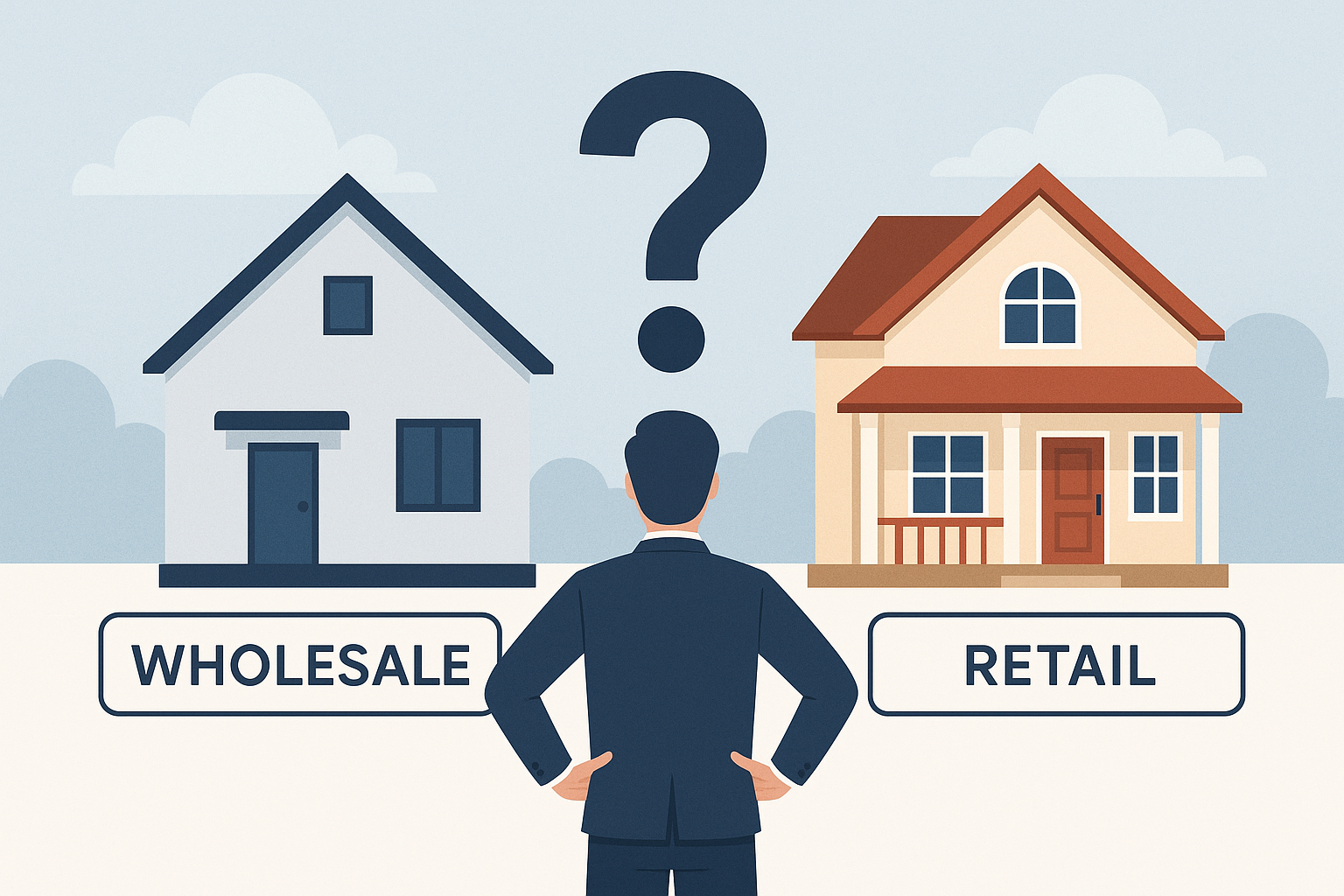
In today’s ever-changing real estate landscape, homeowners often face a critical decision: should they sell their property quickly for cash or rent it out for a steadier income? Both options have distinct advantages and disadvantages, and the choice can significantly impact your financial future and peace of mind. Here’s a comprehensive look at the pros and cons of renting versus selling your home fast.
Understanding the Market
Before diving into the specifics of renting and selling, it’s essential to grasp the current real estate market dynamics. Depending on market conditions, prices may fluctuate, influencing your decision-making process. If property values are on the rise, selling could yield significant returns. However, if you’re in a buyer’s market where homes linger longer, renting can be a viable option until selling conditions improve.
Pros of Selling Your Home Fast
1. Immediate Cash Flow
One of the most appealing advantages of selling your home quickly is the ability to receive cash for your home. This immediate cash flow can alleviate financial burdens, provide funds for a new home, or even support investments in other ventures.
2. Reduced Stress and Maintenance
Owning a home often comes with maintenance responsibilities and tenant management if you decide to rent. Selling eliminates these stresses, allowing you to focus on your next chapter.
3. Market Timing
If the market is favorable, selling quickly can ensure you capitalize on high demand, maximizing your profits. Engaging in strategies to sell home fast can lead to offers above the asking price.
4. Flexibility
Selling provides immediate flexibility in your living situation. You can relocate for a job, downsize, or reallocate your living expenses without the ties of a rental property.
Cons of Selling Your Home Fast
1. Potential for Lower Profits
In a hurry to sell, you might settle for less. Quick sales often come with the downside of potentially underselling your property, especially if not properly marketed.
2. Emotional Attachments
For many, a home is filled with memories. Selling may lead to feelings of loss or regret, especially when facing tough choices under time pressure.
3. Transaction Costs
Selling a home typically incurs several costs, including agent commissions, closing costs, and potential repairs. These can reduce your overall profit from the sale.
Pros of Renting Your Home
1. Continuous Income
Renting provides a source of steady income, which can be beneficial for covering mortgage payments or generating additional cash flow.
2. Property Value Appreciation
Holding onto your property can be a smart investment. If property values appreciate over time, you can sell at a higher price later, maximizing your long-term gains.
3. Flexibility for Future Plans
If you anticipate returning to the area or want the option to sell later, renting keeps that door open while providing income in the meantime.
Cons of Renting Your Home
1. Management Responsibilities
Becoming a landlord comes with challenges, including tenant management and handling repairs. This can become time-consuming and stressful, especially if issues arise.
2. Market Risks
Real estate markets can fluctuate. If rental demand decreases or if economic conditions worsen, you might struggle to find reliable tenants or keep your rental income consistent.
3. Costs and Legal Risks
Renting also involves costs, such as property management fees, repairs, and legal obligations. Additionally, navigating landlord-tenant laws can be complex and requires legal knowledge.
Making Your Decision
Ultimately, the choice between selling your home quickly or renting it out depends on your financial situation, your long-term goals, and the current real estate market. Taking some time to weigh the pros and cons can help you arrive at a decision that best suits your circumstances.
If you are leaning towards selling and want to sell home fast for cash, consider reaching out to investors or agencies that specialize in quick sales. Alternatively, if you see potential in holding onto your home as a rental property, prepare to invest your time and energy into becoming an effective landlord.
Whichever path you choose, being informed and proactive can help you make the best decision for your financial future.