- Understanding Wholesalers
- Pros of Wholesalers
- Cons of Wholesalers
- Understanding Real Estate Agents
- Pros of Real Estate Agents
- Cons of Real Estate Agents
- Making the Decision
- Conclusion
In today’s competitive real estate market, homeowners often find themselves weighing options when it comes to selling their property. Among these options, working with wholesalers and real estate agents are two popular choices. Each route comes with its own set of advantages and disadvantages that can impact the speed and effectiveness of the sale. Understanding these can help you make an informed decision, especially if your priority is to sell home fast.
Understanding Wholesalers
Wholesalers operate by finding distressed properties or motivated sellers, negotiating a purchase price, and then selling those rights to another investor for a profit. This method typically allows sellers to close quickly, often in cash.
Pros of Wholesalers
1. Speed of Sale: If you need to sell home fast, wholesalers can facilitate a quick transaction, often closing in as little as seven days.
2. Cash Offers: Many wholesalers offer cash for home purchases, eliminating the lengthy mortgage approval process and appraisal delays that can accompany traditional transactions.
3. Less Work Required: With wholesalers, you generally don’t have to renovate or stage your home, making it an appealing option for those looking to avoid extra hassles.
Cons of Wholesalers
1. Lower Selling Price: Wholesalers typically offer less than market value since they need to make a profit by flipping the property. This can mean missing out on potential equity.
2. Limited Buyer Pool: Wholesalers tend to market the property to investors rather than the general public, which can limit visibility and overall competition.
3. Lack of Professional Guidance: If you’re unfamiliar with real estate processes, you might miss important details or negotiations since wholesalers do not usually provide the same level of expertise as agents.
Understanding Real Estate Agents
Real estate agents act as intermediaries in the home-selling process, representing your interests and providing market insights to facilitate a smoother transaction.
Pros of Real Estate Agents
1. Maximized Sale Price: Agents often help sellers achieve a higher price through strategic marketing and professional presentation of the property, thus maximizing your investment.
2. Market Knowledge: A good agent brings expertise on current market conditions, helping set the right price and negotiate effectively, which may lead to better overall outcomes.
3. Comprehensive Service: Agents typically handle all aspects of the sale, from staging your home to negotiating with buyers, which can save you time and effort.
Cons of Real Estate Agents
1. Longer Selling Time: While agents can often secure a higher price, the process usually takes longer, involving showings, negotiations, and sometimes extended waits for financing approval.
2. Commissions and Fees: Agents charge a commission, which can be a significant portion of the sale price. This can eat into your profits, especially if you’re selling a lower-valued home.
3. Emotional Involvement: Selling a home can be a deeply emotional process, and having an agent involved can sometimes complicate this due to their professional stance on negotiations.
Making the Decision
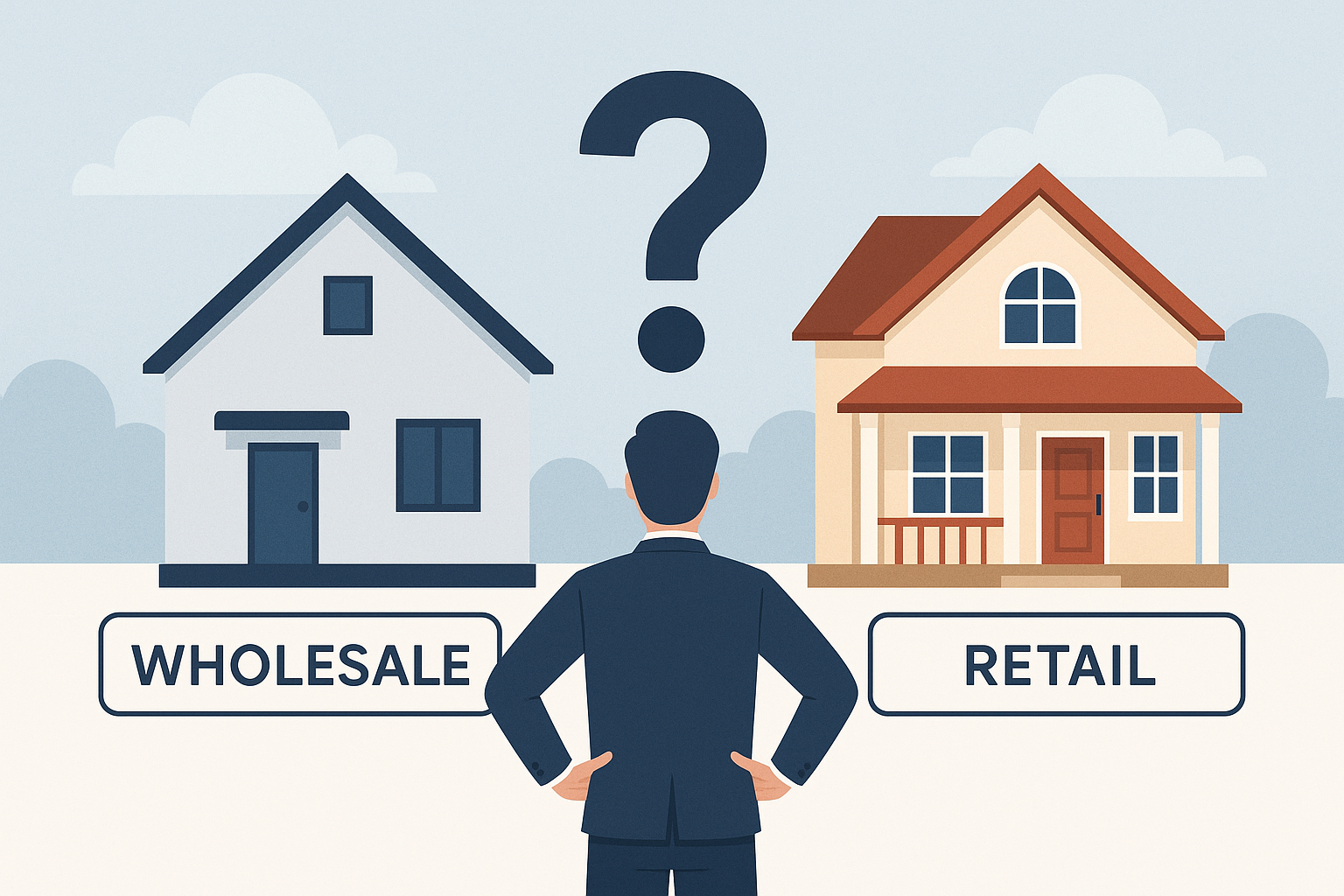
When deciding between wholesaling and hiring a real estate agent, consider your personal circumstances, such as your timeline, financial goals, and the condition of your property.
– If you’re in dire need of quick funds, perhaps due to financial difficulties or an impending move, selling to a wholesaler for cash may be the best route to sell home fast.
– On the other hand, if you’re looking to maximize your investment and aren’t rushed, partnering with a real estate agent may yield a better long-term outcome.
Conclusion
Ultimately, whether to work with a wholesaler or a real estate agent depends on your unique situation. Both options have distinct pros and cons that can cater to different needs and preferences. Taking the time to evaluate your priorities can lead to a more productive selling experience, no matter which path you choose.