- The Advantages of Selling Your Home
- Financial Gains and Simplicity
- The Downsides of Selling Your Home
- Emotional Attachments
- Renting: An Alternative Approach
- Long-term Investment Potential
- Challenges of Renting Your Home
- Legal and Maintenance Issues
- Making the Decision
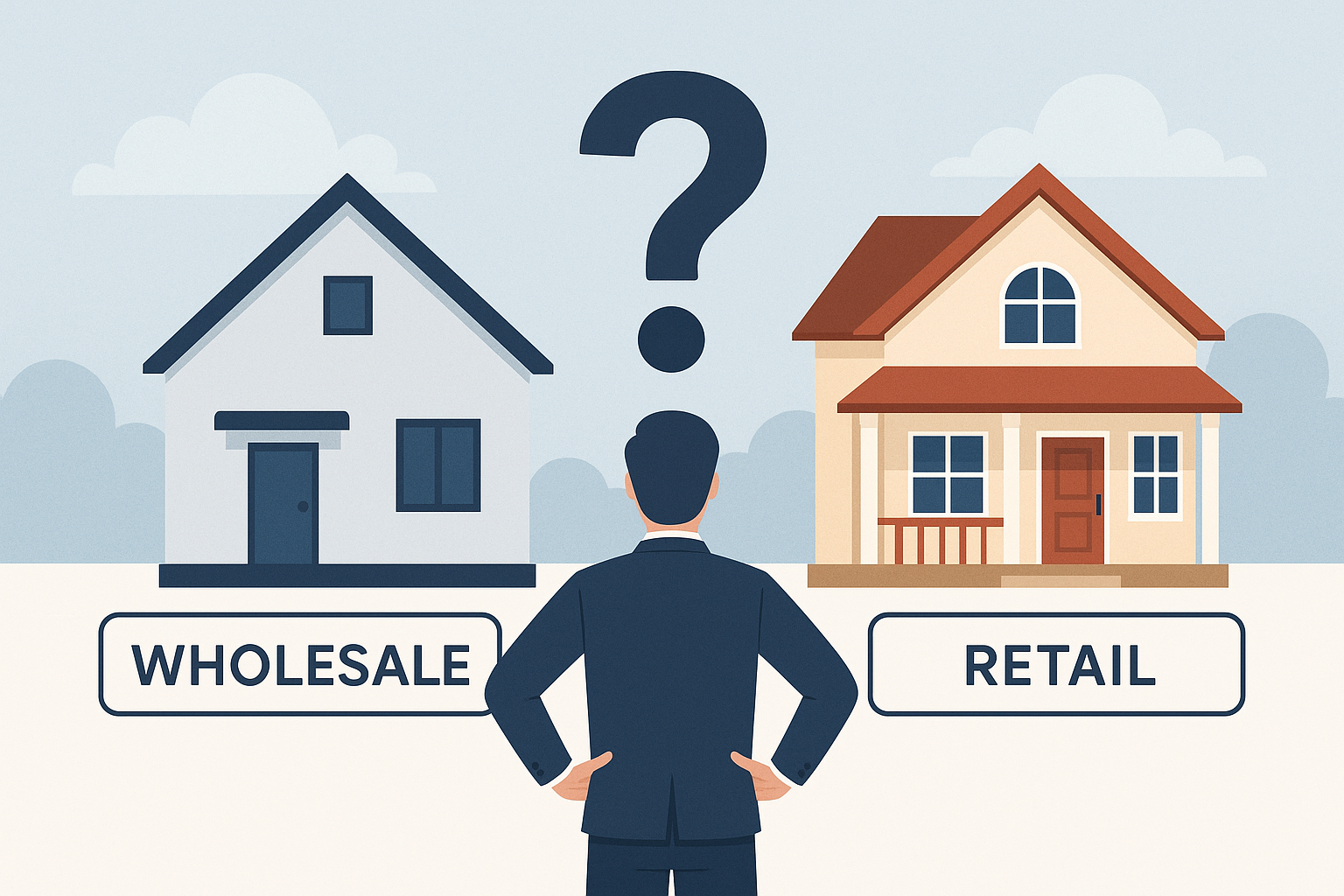
When it comes to making the decision between renting out a property or selling it outright, many homeowners find themselves at a crossroads. Each choice offers distinct advantages and disadvantages, and understanding these can help you make an informed decision that aligns with your personal and financial goals.
The Advantages of Selling Your Home
One of the most immediate benefits of selling your home is the ability to receive cash for your home quickly. In a competitive real estate market, well-priced homes can attract buyers rapidly, allowing you to close the sale in a matter of weeks. If you need to sell your home fast, this option can relieve financial burdens, especially if you are facing issues like relocation, job changes, or financial difficulties.
Financial Gains and Simplicity
Selling can also offer a clean financial slate. By selling your property, you alleviate the responsibilities tied to homeownership—like maintenance, property taxes, and insurance. This can free up cash for other investments or important life changes. Additionally, selling simplifies your life. The stress of being a landlord—dealing with tenants, repairs, and potential vacancies—can be overwhelming. Selling removes these cumbersome responsibilities from your plate.
The Downsides of Selling Your Home
While the allure of cash in hand is tempting, selling isn’t without its drawbacks. One significant downside is market volatility; if your home does not sell quickly or for an acceptable price, you may not get the return you expect. Furthermore, selling can involve significant costs, such as agent commissions, closing fees, and potential repairs needed to make your home market-ready.
Emotional Attachments
Additionally, selling a home can be emotionally taxing. If you have lived in your property for an extended period, parting ways can provoke a sense of loss. The memories tied to the space may make it difficult to transition. For some, this emotional burden outweighs the financial benefits.
Renting: An Alternative Approach
Renting out your property can be an appealing alternative, especially if you are not in a rush to sell. It offers a way to generate passive income while maintaining ownership of the property. This can be particularly beneficial in a strong rental market, where demand for rental units can yield a significant monthly cash flow.
Long-term Investment Potential
By holding onto your property, you can benefit from long-term appreciation. Real estate often increases in value over time, meaning you might sell it for a substantially higher price later on. Furthermore, with the right tenant, you could cover your mortgage payments and even make a profit while waiting for the market conditions to improve.
Challenges of Renting Your Home
That said, being a landlord comes with its own set of challenges. The responsibilities can be time-consuming and stressful, and there is always the risk of having difficult tenants who may delay rent payments or cause damage to your property.
Legal and Maintenance Issues
Moreover, managing a rental property requires a certain level of knowledge about tenant-landlord laws, and neglecting this can lead to legal complications. You must also be prepared for ongoing maintenance and the costs associated with unexpected repairs, which can eat into your profitability.
Making the Decision
Ultimately, the choice to sell home fast or rent it out depends on your personal circumstances, financial goals, and market conditions. If you need immediate cash for your home and want to relieve yourself of property responsibilities, selling might be the way to go. However, if you possess the resources and patience required to handle a rental, keeping the property can prove beneficial in the long run.
Carefully weighing the pros and cons can lead you to the best decision for your situation. Whether you decide to sell or rent, understanding your options and their implications will empower you to make a choice that best fits your financial and emotional needs.