- Understanding Cash for Home Offers
- Pros of Cash for Home Offers
- Quick Transactions
- No Repairs Needed
- Reduced Stress
- Lower Closing Costs
- Cons of Cash for Home Offers
- Potentially Lower Offer Price
- Limited Buyer Pool
- Risk of Scams
- Emotional Impact
- Making an Informed Decision
- Conclusion
When the need arises to sell a property quickly—whether it’s due to a job relocation, financial pressures, or other personal circumstances—many homeowners consider cash for home offers. This option promises a swift transaction and often appeals to those looking to avoid the lengthy traditional selling process. However, while cash offers can provide substantial benefits, they also come with their own set of drawbacks.
Understanding Cash for Home Offers
Cash for home offers typically come from real estate investors or companies that buy homes outright, often in their current condition. This approach allows sellers to bypass common hurdles such as financing issues that can delay or derail a sale. Therefore, the idea of selling for cash can be alluring for anyone who needs to sell their home fast.
Pros of Cash for Home Offers
Quick Transactions
One of the most significant advantages of accepting cash for home offers is the speed of the transaction. Cash buyers can often complete the sale in as little as a week, enabling sellers to access funds and close a chapter in their lives without delay.
No Repairs Needed
Selling a home through traditional listings often requires extensive repairs and updates to attract buyers. Cash buyers, however, typically purchase homes as-is. This means you won’t need to invest time or money into fixing up the property before the sale, which can be a significant relief for those in financial distress or tight timeframes.
Reduced Stress
The traditional selling process can be laden with stress—from open houses to negotiating offers. Cash for home options simplify the process. With fewer complications and contingencies, homeowners can sell their homes with a sense of ease.
Lower Closing Costs
Cash transactions often come with reduced closing costs since there are typically fewer parties involved. This can lead to significant savings that would otherwise be spent on commissions and fees.
Cons of Cash for Home Offers
Potentially Lower Offer Price
One of the main drawbacks is that cash offers are often lower than what you might receive in a traditional sale. Investors looking to buy homes for cash usually aim to resell them for a profit, which means they will likely present offers below market value.
Limited Buyer Pool
Cash offers come primarily from investors rather than conventional buyers who may be using mortgages. This can limit your options in terms of negotiating an optimal sales price, as the investor is often looking to capitalize on the opportunity.
Risk of Scams
While many cash buyers are legitimate, the speed and volume of cash transactions can attract less reputable players. It is crucial for homeowners to conduct thorough research to ensure they are dealing with a trustworthy buyer, which can be an added layer of complexity in an already fast-paced situation.
Emotional Impact
Selling a home is often not just a financial transaction but also an emotional one. Accepting a cash offer can speed up the process of leaving behind memories and relationships tied to the home, which may affect some sellers more than others.
Making an Informed Decision
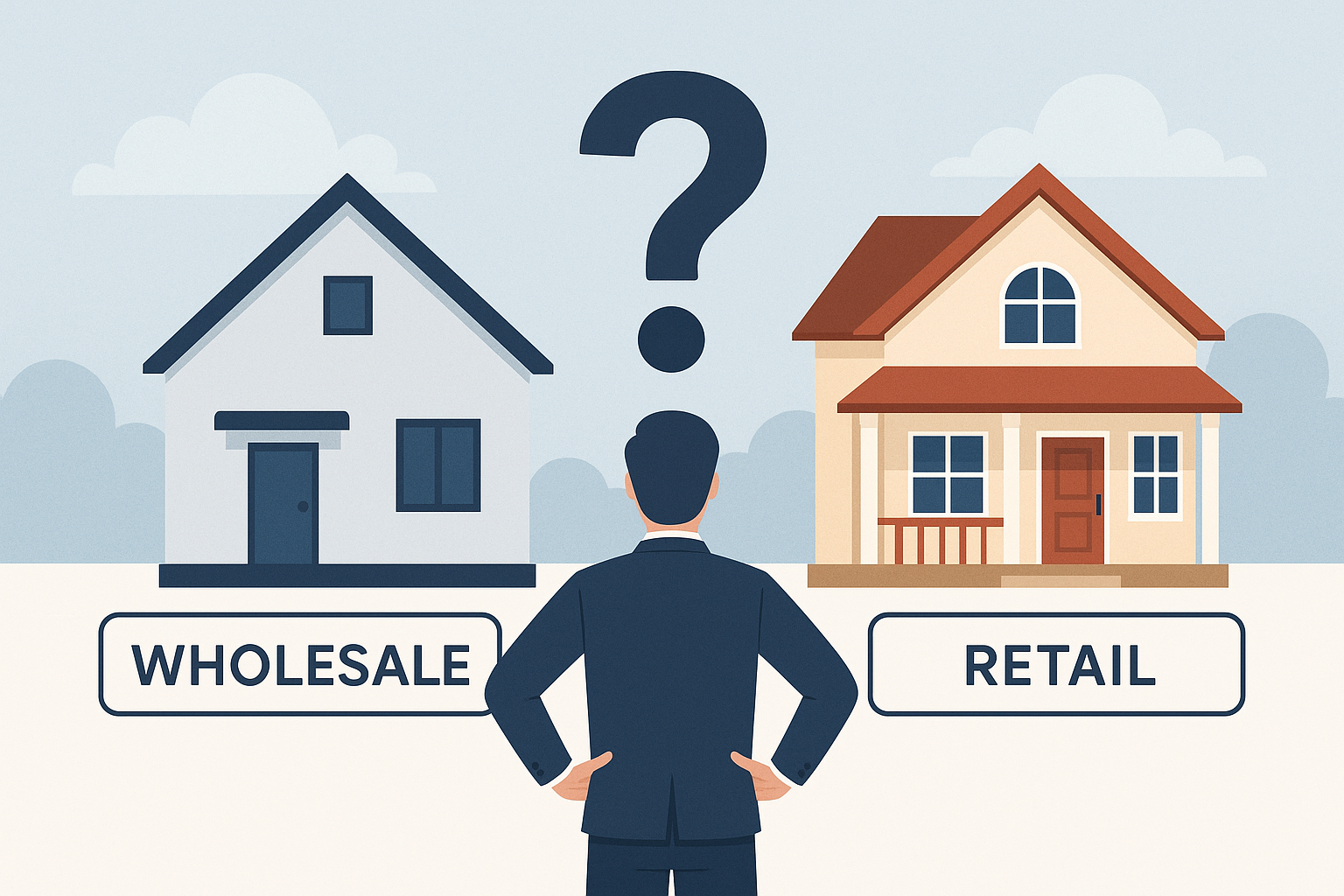
Ultimately, the decision to pursue a cash for home offer should be made with careful consideration of your unique situation. Reflect on your financial needs, the property’s current condition, and your emotional readiness to let go of the home.
If time is critical and you’re willing to sacrifice some potential profit for convenience, cash offers may be a suitable solution. However, if you have the flexibility to wait and possibly achieve a higher selling price, exploring traditional selling methods could prove more beneficial.
Conclusion
Selling a home fast via cash for home offers is a viable option for many homeowners. However, it comes with both advantages and disadvantages that deserve careful consideration. Weighing these factors can help you make a more informed decision that aligns with your immediate goals and long-term financial health. By understanding both sides of the equation, you can ensure that you’re making the best choice for your circumstances.