- Understanding For Sale by Owner
- The Pros of Selling FSBO
- 1. Cost Savings
- 2. Control Over the Process
- 3. Flexibility in Showings
- The Cons of Selling FSBO
- 1. Lack of Expertise
- 2. Limited Marketing Reach
- 3. Legal and Financial Risks
- Strategies to Sell Your Home FSBO
- 1. Conduct a Comparative Market Analysis
- 2. Invest in Quality Marketing
- 3. Be Prepared for Negotiations
- Alternatives to FSBO: Cash Offers
- Conclusion
Navigating the real estate market can feel overwhelming, especially when time is of the essence. Many homeowners looking to sell their property quickly often consider the “For Sale by Owner” (FSBO) option. This method might seem appealing due to the potential savings on agent commissions, but is it the right choice for you? Let’s explore the pros and cons of selling your home without the assistance of real estate professionals.
Understanding For Sale by Owner
The FSBO approach allows homeowners to sell their properties directly to buyers, bypassing agents. While this method offers potential cost savings, it also places the responsibility of the sale squarely on the seller’s shoulders. Homeowners must be ready to navigate pricing, marketing, negotiations, and legal paperwork—tasks that are typically handled by experienced agents.
The Pros of Selling FSBO
1. Cost Savings
One of the primary advantages of the FSBO model is avoiding real estate commissions, which generally range from 5% to 6% of the sale price. For a home selling at $300,000, that could mean saving $15,000 to $18,000. This could be particularly beneficial if you need to sell your home fast and are looking to maximize your profits.
2. Control Over the Process
When you choose to sell on your own, you have full control over the entire process—from setting the price to negotiating offers. This autonomy can be liberating for some homeowners, allowing them to inject their personal touch into how their home is presented and marketed.
3. Flexibility in Showings
Without a real estate agent, you can choose how and when to show your home. This flexibility allows you to accommodate your schedule, which can be essential if you need to sell quickly.
The Cons of Selling FSBO
1. Lack of Expertise
Selling a home is not just about putting up a sign and waiting for offers. Homeowners may struggle with determining the right price, which needs to be competitive yet profitable. Incorrect pricing can deter potential buyers or lead to significant financial losses.
2. Limited Marketing Reach
Real estate agents have access to numerous marketing channels, including MLS listings, social media networks, and a broad client base. FSBO sellers often lack this reach and may find it challenging to attract serious buyers, making it harder to sell home fast.
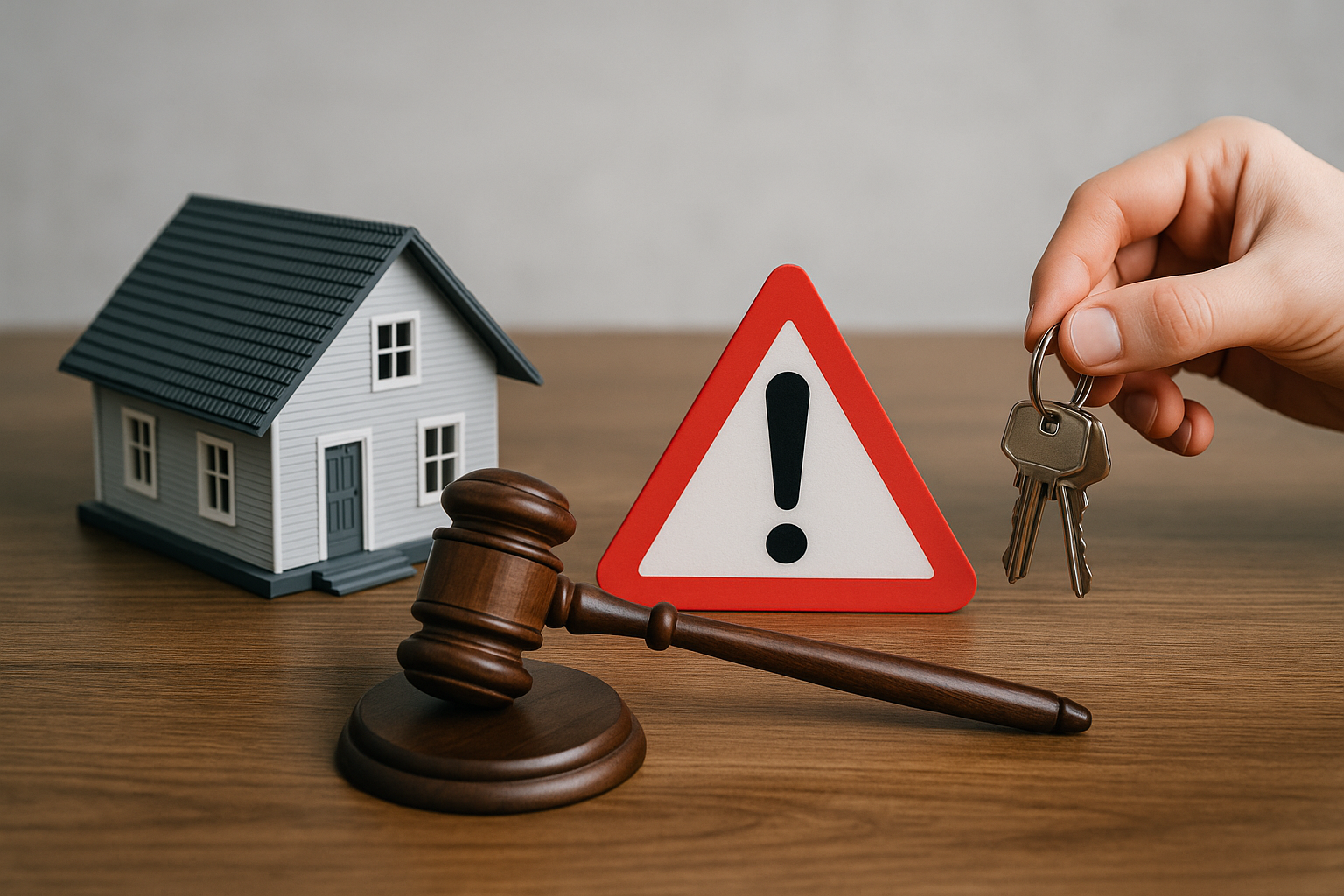
3. Legal and Financial Risks
Closing a property sale involves complex legal agreements. Without an agent, homeowners may struggle with paperwork and fail to comply with local regulations, leading to potential legal issues down the line. Ensuring a smooth transaction often requires knowledge that many homeowners lack.
Strategies to Sell Your Home FSBO
If you decide to take the FSBO route, implementing effective strategies can help improve your chances of a successful sale:
1. Conduct a Comparative Market Analysis
Research similar homes in your area to determine a competitive price. Tools and websites can provide insights into local housing trends, which can guide your pricing strategy.
2. Invest in Quality Marketing
High-quality photos and detailed descriptions are crucial. Consider creating a virtual tour or using social media platforms to promote your listing widely.
3. Be Prepared for Negotiations
Brush up on negotiation skills, as buyers will often try to negotiate down from your asking price. Be ready to articulate the unique features of your home that justify your pricing.
Alternatives to FSBO: Cash Offers
If selling traditionally seems too daunting or if you need to sell your home fast, consider alternatives like cash buyers. Companies that offer cash for home can provide quick closings and alleviate many of the burdens associated with traditional home sales.
Conclusion
Whether or not to pursue a For Sale by Owner strategy depends on various factors, including your familiarity with real estate processes, the urgency of your sale, and personal preferences. For some, the control and potential cost savings can be invaluable; for others, the complexities of the market necessitate professional assistance. Whichever route you choose, ensuring that you are well-informed and prepared can lead to a successful home sale.