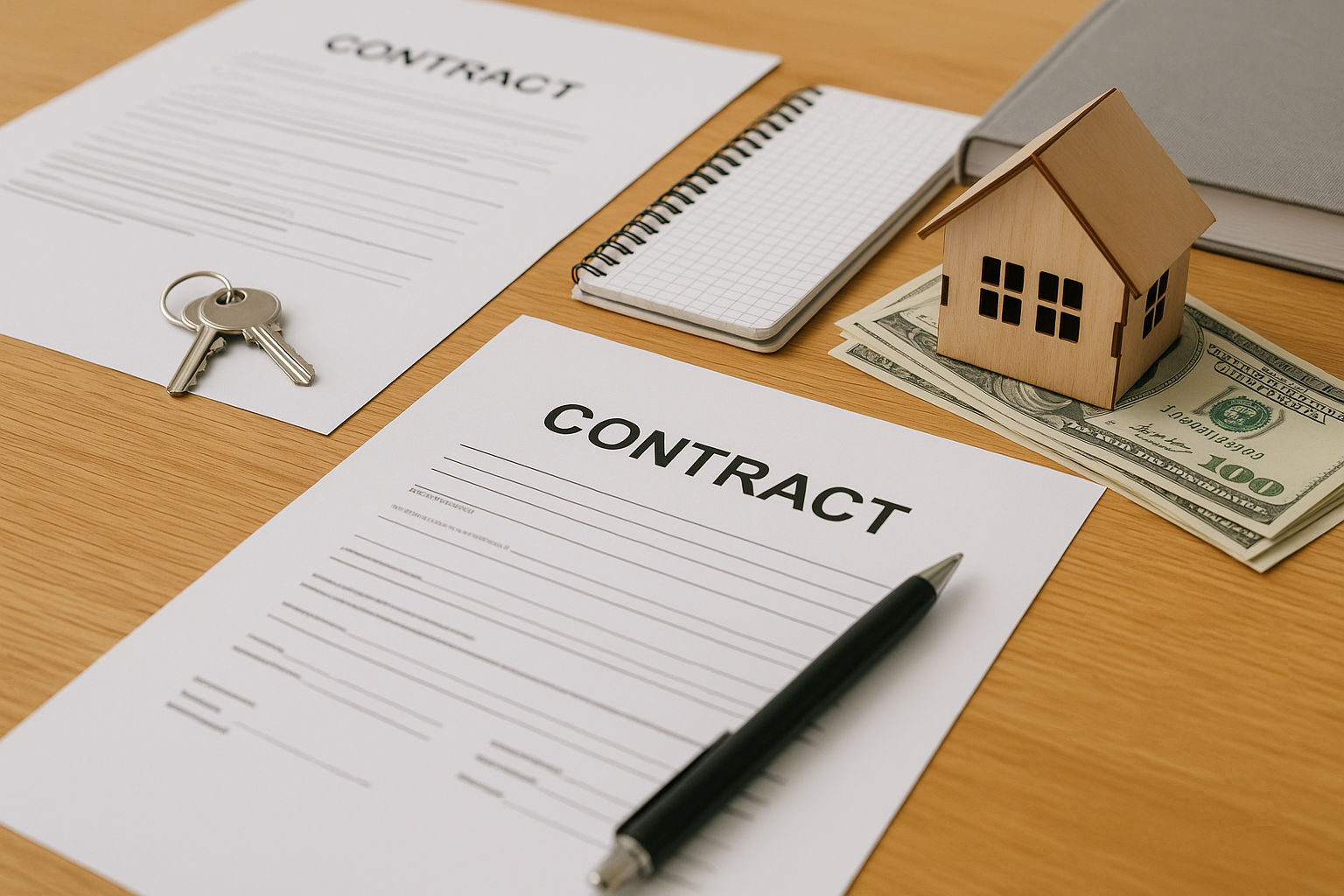
Understanding Quick Cash Home Buyers
When you need to sell a property fast, traditional real estate methods can feel painfully slow. Showings, repairs, open houses, negotiations, and financing contingencies can drag out for months. Quick cash home buyers offer an alternative: a faster, simpler way to sell, often in as little as a week.
But speed isn’t the only factor to consider. To decide if this option is right for you, it’s important to understand how quick cash home buyers work, what they offer, and what trade-offs you might be making.
What Are Quick Cash Home Buyers?
Quick cash home buyers are individuals or companies that purchase properties directly from homeowners using cash or cash-equivalent funds. They typically advertise with phrases like “We Buy Houses for Cash,” “Sell Your House Fast,” or “Cash Offer in 24 Hours.”
Instead of listing your home on the open market, you sell directly to the buyer, skipping agents, multiple showings, and most of the typical closing hurdles. These buyers generally fall into a few categories:
- Local investors who buy, renovate, and resell or rent the property
- National home-buying companies with standardized processes and marketing in many cities
- House flippers who focus on distressed or outdated properties
- iBuyers (in some markets) that make algorithm-based offers on fairly standard homes
The common thread is that they aim to close quickly and pay with cash, in exchange for a discount on the home’s likely market value.
How Do Quick Cash Home Buyers Work?
1. Initial Contact and Property Details
The process usually starts when you reach out via phone, web form, or an online quote tool. You’ll be asked for basic information, such as:
- Property address and type (single-family, condo, duplex, etc.)
- Approximate size, age, and number of beds/baths
- Current condition and any known issues (roof, foundation, plumbing)
- Whether the home is occupied, vacant, or rented
- Your desired timeframe to sell
Based on this information and comparable sales in your area, many buyers can give you a rough estimate or range before seeing the property in person.
2. Property Walkthrough or Inspection
Next, the buyer typically schedules a walkthrough. This may be:
- An in-person visit by the buyer or their representative
- A virtual walkthrough using photos or video, in some cases
They’ll assess the home’s condition, needed repairs, neighborhood factors, and any unique features that affect value. Unlike a traditional sale, you usually don’t have to clean, stage, or make repairs—the buyer is evaluating it “as-is.”
3. Receiving a Cash Offer
After the walkthrough, the buyer presents a no-obligation cash offer. This offer is usually:
- Below retail market value to account for repairs, holding costs, and profit margin
- Net of commissions since most quick buyers don’t charge a seller’s agent fee
- Based on an as-is sale with limited contingencies
You’ll be told how long the offer is valid and what closing timeframe they can accommodate. At this stage, you can accept, negotiate, or decline.
4. Signing the Agreement
If you accept, you’ll sign a purchase agreement that outlines:
- Purchase price and any credits
- Closing date and options to move it earlier or later
- What stays with the property (appliances, fixtures, etc.)
- Any remaining contingencies or conditions
Read this contract carefully, just as you would in a traditional sale. If you’re unsure about any terms, consider having an attorney or experienced real estate professional review it.
5. Title Work and Closing
Once under contract, the buyer orders title work to ensure there are no unresolved liens or ownership issues. Because there’s no mortgage underwriting, the process can move quickly.
At closing, you’ll sign the final documents, transfer ownership, and receive your funds, often via wire transfer or cashier’s check. Many quick cash buyers can close in 7–14 days, sometimes faster if title is clear and both sides are ready.
Pros and Cons of Selling to a Quick Cash Home Buyer
Advantages
- Speed: You can go from offer to closing in days or weeks, not months.
- Simplicity: No showings, open houses, or last-minute buyer demands.
- As-is sale: You typically don’t need to make repairs, clean out everything, or stage the property.
- Certainty: With cash, there’s no risk of financing falling through.
- Flexible closing date: Many buyers let you pick a date that works around your schedule.
Drawbacks
- Lower sale price: You’re trading some equity for convenience and speed.
- Less market exposure: You get one primary offer instead of competitive bids from multiple buyers.
- Potential for predatory terms: As in any industry, some operators use high-pressure tactics or unfair contracts.
For many sellers, the key question becomes: is the discount worth the time, hassle, and uncertainty you avoid?
When Does Selling to a Quick Cash Buyer Make Sense?
Selling to a quick cash buyer won’t be the right fit for every homeowner, but it can be a smart option in specific situations, such as:
- Facing foreclosure or financial hardship: A fast sale can help you avoid foreclosure and protect your credit as much as possible.
- Inherited or estate properties: If you’ve inherited a home that needs work or is out of state, a quick sale can simplify matters for the family.
- Major repairs needed: When the cost of repairs is more than you want to invest, selling as-is can be easier than renovating.
- Divorce or life transitions: Quick, clean sales are often helpful when both parties want to move on quickly.
- Relocating for work: If you have a tight timeline, a guaranteed cash closing can be worth more than a potentially higher but uncertain offer.
- Landlords tired of managing rentals: Investors often buy tenant-occupied properties, saving you the trouble of coordinating move-outs and repairs.
If your property is in great condition, you have time, and your local market is strong, listing traditionally with an agent may provide a higher overall return. The best choice depends on your priorities: maximum price vs. maximum convenience and certainty.
How to Choose a Reputable Quick Cash Home Buyer
If you decide a fast cash sale is right for you, use these guidelines to find a trustworthy buyer and protect your interests:
- Check reviews and references: Look for consistent ratings on Google, the Better Business Bureau, and local review sites. Ask for references from recent sellers.
- Verify they are local or well-established: Local investors often know the market better, while reputable national companies should have a clear track record.
- Ask for proof of funds: A serious cash buyer can show a bank statement or letter demonstrating they can close.
- Watch the contract terms: Avoid contracts with vague language, large non-refundable fees from you, or long inspection periods that let the buyer back out easily.
- Beware of pressure tactics: A legitimate buyer will give you time to think, compare options, and seek advice.
- Compare more than one offer: Even in the cash-buying space, competition exists. Talking to two or three buyers can help you gauge a fair price.
- Consider professional advice: A real estate attorney or experienced agent (even in a consulting role) can review your offer and help you understand the fine print.
Conclusion
Quick cash home buyers provide a valuable service for homeowners who prioritize speed, simplicity, and certainty over squeezing out every last dollar from a sale. By understanding how the process works, what you’re trading off, and how to screen buyers carefully, you can decide whether a fast cash offer is the right path for your situation.
Take your time to compare options, run the numbers, and choose the route that best supports your financial goals and your timeline. In the right circumstances, a quick cash sale can turn a stressful situation into a manageable, predictable transition.