Introduction
Selling a home for cash has become increasingly popular, especially among homeowners who want a faster, simpler transaction. Instead of dealing with traditional buyers who rely on mortgage financing, a cash home sale involves a buyer who can pay the full purchase price upfront. This can feel like a dream scenario when you’re ready to move quickly—but it’s not always the best fit for every seller.
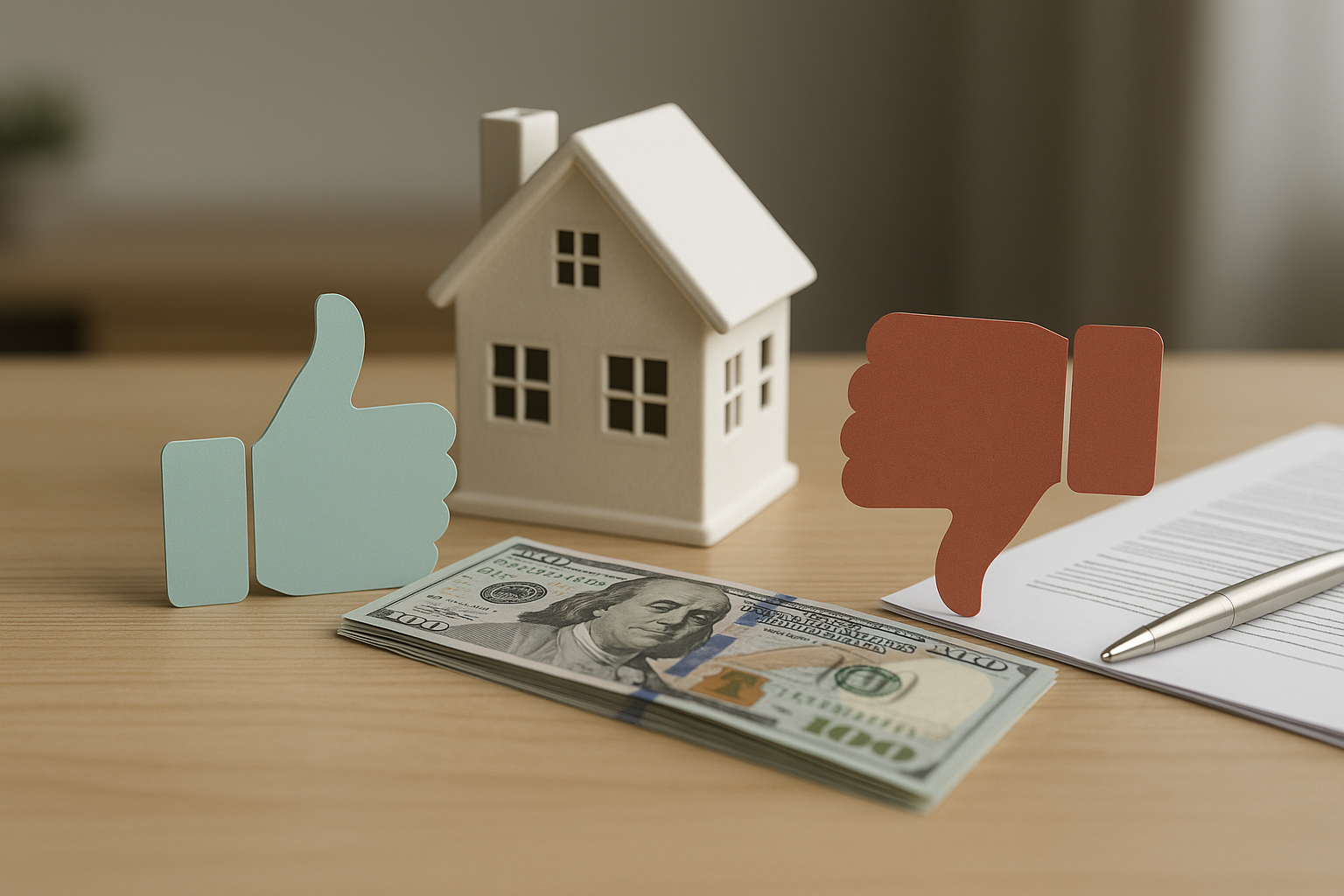
Before you decide, it’s important to understand both the advantages and the potential downsides of a cash home sale. Below, we’ll break down the major pros and cons so you can make a confident, informed choice.
Pros of a Cash Home Sale
1. Faster Closing Timeline
Speed is one of the biggest draws of a cash sale. Without a lender involved, there’s no waiting on mortgage underwriting, appraisals ordered by the bank, or loan approval conditions.
In many cases, cash transactions can close in as little as 7–14 days, compared to 30–60 days (or longer) for financed sales. This can be especially beneficial if you:
- Need to relocate quickly for work or family reasons
- Are carrying two mortgages and want to reduce financial strain
- Are facing foreclosure and need a fast resolution
- Have already purchased your next home and want to wrap things up smoothly
When time is a priority, the speed of a cash sale can be a major advantage.
2. Less Risk of the Deal Falling Through
Traditional home sales often fall apart because of financing issues. Even pre-approved buyers can be denied a mortgage due to job changes, credit score shifts, or unexpected issues on the property.
With a cash buyer, you eliminate the financing contingency entirely. That means:
- Fewer moving parts in the transaction
- Lower risk of last-minute surprises
- Greater peace of mind once you’re under contract
While cash buyers may still include inspection or title contingencies, the absence of lender-related hurdles makes the path to closing much smoother.
3. Potential to Sell As-Is
Many cash buyers—especially investors and professional home-buying companies—are willing to purchase properties in as-is condition. This can be a huge benefit if your home needs repairs or updates.
Instead of spending time and money on:
- Major repairs like roof replacement or foundation work
- Cosmetic updates such as flooring, paint, or fixtures
- Staging, photography, and multiple showings
you may be able to sell the home exactly as it stands. The buyer factors the cost of repairs into the offer, and you save yourself the stress and upfront expense of getting the house market-ready.
4. Fewer Fees and Complications
Cash sales can sometimes come with lower overall transaction costs and fewer hoops to jump through. Here’s how:
- No lender fees: Without a mortgage, there are no loan origination fees, lender-required appraisal fees, or discount points being paid.
- More flexible closing costs: Cash buyers, especially investors, may be willing to cover a larger share of closing costs to make the process attractive.
- Simpler paperwork: Fewer parties involved generally means fewer documents to sign and track.
While you’ll still have typical seller expenses (like title work, transfer taxes in some areas, and potentially agent commissions), the process tends to feel more streamlined and predictable.
5. Convenience and Reduced Stress
A cash sale can also be far more convenient, particularly if you choose a buyer who focuses on quick, hassle-free transactions. You may be able to:
- Avoid constant showings and open houses
- Skip lengthy negotiations over minor repairs and credits
- Set a closing date that aligns with your schedule
- Leave behind unwanted items, depending on the agreement
For sellers who value ease and certainty over squeezing out every last dollar, the convenience factor alone can make a cash home sale very appealing.
Cons of a Cash Home Sale
1. Lower Sale Price Compared to the Open Market
The most significant drawback of many cash offers is the price. Investors and cash-buying companies typically aim to purchase below market value so they can renovate, hold, or resell the property for a profit.
That can mean:
- Offers 5–25% (or more) below what you might get from a traditional buyer
- Less room for negotiation on price, especially if the buyer is focused on strict investment margins
If your top priority is maximizing the sale price and you have time to list the home on the open market, a conventional sale might be better financially—despite the added complexity.
2. Fewer Buyers to Choose From
Not every buyer can pay all cash, especially in higher-priced markets. When you limit yourself to cash-only offers, you’re shrinking your potential buyer pool.
With fewer buyers competing for your property, you may encounter:
- Less competitive bidding and fewer multiple-offer situations
- Reduced leverage when negotiating price and terms
- Longer wait to find the right cash buyer, depending on your market
This limited pool can be a significant trade-off, particularly in areas where financed buyers are common and properties are in high demand.
3. Risk of Working With Unvetted or Predatory Buyers
Not all cash buyers are created equal. Some are reputable investors or individuals with clear, transparent terms. Others may use aggressive tactics or confusing contracts to pressure sellers.
Potential risks include:
- Lowball offers combined with high-pressure deadlines
- Contracts with hidden fees, surprise deductions, or unclear contingencies
- Buyers who tie up your property under contract, then try to renegotiate the price later
To protect yourself, it’s wise to:
- Ask for proof of funds before signing a contract
- Read all documents carefully and, ideally, have an attorney or trusted real estate professional review them
- Check reviews, references, or Better Business Bureau ratings if working with a company
4. Less Market Exposure
When you pursue a quick, off-market cash sale—such as selling directly to an investor or company—you may skip listing the home on the open market. While this saves time, it also means you’re not testing your property’s full value with multiple buyers.
Without broad exposure on the MLS and major real estate websites, you might:
- Miss out on competing offers that could drive your price higher
- Have less data to understand what buyers are really willing to pay
- Lose leverage that comes from knowing your home is in demand
If you’re not in a rush, taking the time to list your home traditionally may yield a better financial outcome, even after accounting for agent commissions and closing costs.
5. Potential Tax and Financial Considerations
While the method of sale (cash vs. financed) doesn’t change the basic rules of capital gains taxes, a fast transaction can still have financial implications. For example:
- If you’ve owned the home for a short time, you may be subject to different tax treatment than a long-term primary residence.
- A large lump-sum payment all at once might affect how you plan for taxes, debt payoff, or future investments.
Speaking with a tax professional or financial advisor before closing can help you understand how the sale—cash or otherwise—fits into your broader financial picture.
Is a Cash Home Sale Right for You?
Ultimately, the best choice depends on your priorities and circumstances. A cash home sale may make sense if you:
- Need to sell quickly and value certainty over top dollar
- Have a property that needs significant repairs or updates
- Want to avoid the hassle of showings, staging, and lengthy negotiations
On the other hand, a traditional sale might be better if you:
- Have time to market the home and wait for the right buyer
- Own a move-in-ready property in a strong seller’s market
- Are focused on maximizing your sale price, even if it takes longer
Conclusion
A cash home sale can offer speed, simplicity, and certainty—but usually at the cost of a lower sale price and less market exposure. By weighing the pros and cons against your own timeline, financial needs, and risk tolerance, you can decide whether a cash offer aligns with your goals. If you’re unsure, consider speaking with a trusted real estate professional who can walk you through both options and help you choose the path that best fits your situation.