What Is a No-Repairs Cash Home Sale?
A no-repairs cash home sale is when you sell your property “as-is” to a buyer who pays in cash and does not require you to fix anything before closing. Instead of patching the roof, repainting walls, or updating the kitchen to satisfy traditional buyers and lenders, you sell your home in its current condition. The buyer takes on the responsibility for all future repairs, updates, and renovations.
These types of sales are especially common with real estate investors, professional homebuyers, and local “we buy houses” companies. Because cash buyers skip mortgage financing, they can usually move from offer to closing in a fraction of the time it takes in a traditional sale.
Why Homeowners Choose to Sell As-Is for Cash
1. You Don’t Have Money for Repairs
Major repairs are expensive. Roof replacements, foundation work, plumbing and electrical issues, or old HVAC systems can easily run into the tens of thousands of dollars. Many homeowners simply don’t have that kind of cash available—especially if they’re already stressed by job loss, medical bills, or other financial pressures.
With a no-repairs cash home sale, you don’t need to come up with the money to get your house “market ready.” The buyer factors the condition of the property into their offer and assumes the cost and risk of repairs after closing.
2. You Need to Sell Quickly
Life events can create tight timelines where a traditional sale just doesn’t fit:
- Relocating for a new job or military orders
- Need to access equity quickly to cover urgent expenses
- Going through a divorce and wanting a fast, clean break
- Behind on payments and trying to avoid foreclosure
Cash buyers can often close in as little as 7–21 days, depending on your local closing process. There’s no waiting for buyer mortgage approval, appraisal issues, or long repair negotiations.
3. Your Home Has Significant Damage or Is Outdated
Homes with serious wear and tear are tough to sell conventionally. Water damage, structural problems, mold, fire or smoke damage, extensive pet wear, or decades-old interiors can scare off traditional buyers and make lenders hesitate.
A no-repairs cash sale can be a practical solution for:
- Inherited homes that haven’t been updated in years
- Rental properties with heavy tenant damage
- Homes affected by natural disasters or long-term neglect
Instead of investing heavily in fixes that may or may not pay off, you move the property quickly and let a professional buyer take on the rehabilitation.
How a No-Repairs Cash Home Sale Works
Step 1: Reach Out to Cash Buyers
The process usually starts by contacting one or more cash buyers in your area. These might be:
- Local real estate investors
- Professional home-buying companies
- House-flipping firms
- Landlords and buy-and-hold investors
You’ll typically provide some basic details: property address, age and size of the home, current condition, and your desired timeline.
Step 2: Property Walkthrough or Virtual Assessment
Most cash buyers will want to see the property to estimate repair costs and determine their offer. This can be a quick in-person walkthrough or, in some cases, a virtual tour using photos or video if in-person visits aren’t convenient.
Don’t worry about cleaning or staging. In a true as-is sale, the buyer expects to see the property exactly as it is—even if it’s cluttered or in rough shape.
Step 3: Receive a Cash Offer
After their assessment, the buyer will present a cash offer. This offer usually considers:
- The home’s estimated after-repair value (ARV)
- Expected repair and renovation costs
- Carrying costs (taxes, insurance, utilities) while they work on it
- Desired profit margin for taking on the project
In a no-repairs cash home sale, the offer will likely be lower than top market value—but in exchange, you get speed, certainty, and no out-of-pocket repair expenses.
Step 4: Sign the Contract
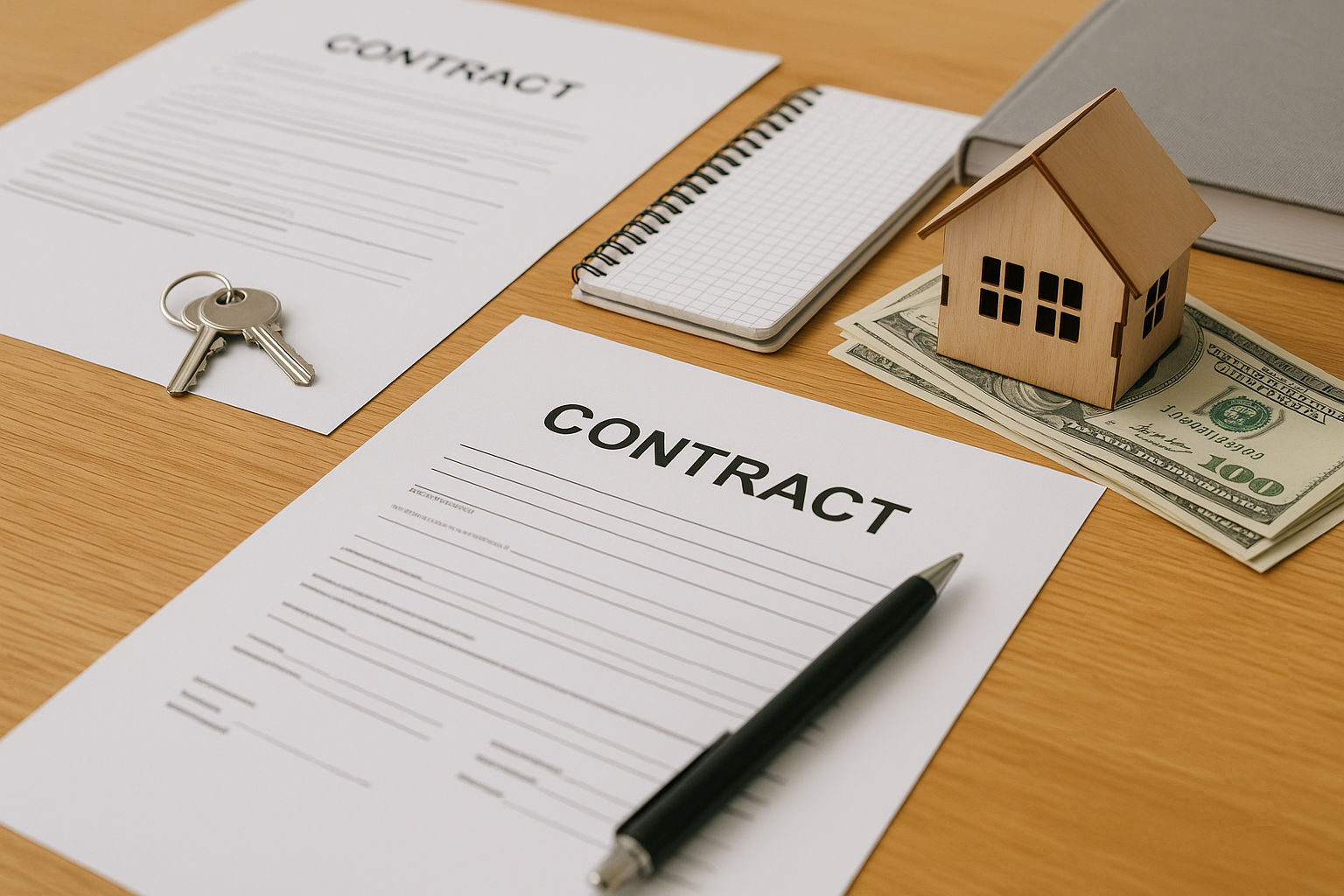
If you accept the offer, you’ll sign a purchase agreement outlining the price, closing date, and any conditions. A reputable buyer will use a straightforward contract and should be willing to explain any terms you don’t understand.
At this stage, it’s wise to:
- Confirm whether there are any contingencies (for example, a short inspection period)
- Clarify what stays with the property and what you can take
- Ask about how closing costs and fees are handled
Step 5: Close and Get Your Cash
The final step is closing—signing the final paperwork and transferring ownership. In many cases, cash buyers can close at a local title company or attorney’s office, or even offer mobile or remote closing options.
At closing, you’ll receive your proceeds, usually via wire transfer or cashier’s check. From there, you’re free to move on without worrying about lingering repairs or buyer demands.
Pros and Cons of a No-Repairs Cash Home Sale
Benefits
- No repairs or updates required: Sell your home exactly as it is—no contractors, no remodeling decisions, no surprise repair bills.
- Fast and predictable timeline: Cash sales often close in days or weeks, not months, and are less likely to fall through at the last minute.
- Less stress and hassle: Skip showings, open houses, staging, and ongoing cleaning while strangers tour your home.
- Flexible terms: Many cash buyers can work with your schedule, offer leasebacks so you can stay briefly after closing, or help coordinate a smooth move-out.
- Useful in difficult situations: Particularly helpful if you’re facing foreclosure, probate, major repairs, or a problem tenant.
Drawbacks
- Lower sale price: You’re trading some of your home’s potential market value for speed and convenience. Investors need room for repairs and profit.
- Risk of lowball offers: Not all cash buyers are equal; some may offer far below a fair as-is value or use high-pressure tactics.
- Fewer protections if you’re not careful: If you don’t review the contract or compare offers, you may leave money on the table or agree to unfavorable terms.
For many sellers, the key question is whether the time, repairs, and stress required for a traditional listing are worth the potential for a higher price. In urgent or complex situations, an as-is cash sale can be the more practical choice.
Tips for Getting a Fair Cash Offer
Know Your Home’s As-Is Value
Before you talk numbers, do some basic homework:
- Check recent sales of similar homes (same area, size, and age) that were in comparable condition.
- Use online value estimators as a rough starting point, then adjust downward for needed repairs.
- If possible, talk with a local real estate agent for an honest as-is pricing opinion, even if you don’t plan to list traditionally.
Having a ballpark as-is value helps you recognize when an offer is clearly too low.
Get Multiple Offers
You’re not limited to the first buyer who contacts you. Reach out to several cash buyers, then compare:
- Net cash to you at closing (after any fees)
- Closing timeline and flexibility
- Any contingencies or inspection periods
- Reputation and reviews of each buyer
Even a small difference in price or fees can add up to thousands of dollars in your pocket.
Watch for Red Flags
While many cash buyers are professional and ethical, stay alert for warning signs:
- Extremely vague or one-page contracts with little detail
- Pressure to sign immediately or not consult anyone
- Requests for large up-front fees (legitimate buyers rarely need this)
- Promises that sound too good to be true, without clear explanation
When in doubt, have a real estate attorney or trusted professional review the agreement before you sign.
Clarify Costs and Logistics Up Front
Finally, ask clear questions before accepting an offer:
- Who pays closing costs, title fees, and any transfer taxes?
- Can you leave unwanted belongings behind, or must you clear everything?
- Is the closing date firm, or can it be adjusted if your plans change?
The more clarity you have, the smoother and less stressful your no-repairs cash home sale will be.
Conclusion
A no-repairs cash home sale can be a powerful option when you need to sell quickly, don’t have the funds or desire to tackle repairs, or are dealing with a difficult property or life situation. While you may accept a lower price than a fully updated home might bring on the open market, you gain speed, certainty, and simplicity.
By understanding how these sales work, weighing the pros and cons, and taking steps to secure a fair offer, you can decide whether an as-is cash sale is the right move for your situation—and move forward with confidence.