Introduction
Selling your home without a realtor, often called For Sale By Owner (FSBO), can save you thousands of dollars in commission. But it also means you take on the responsibilities usually handled by an agent: pricing, marketing, showings, negotiations, and paperwork. With the right preparation and a clear plan, you can successfully sell your home on your own and keep more of the profit in your pocket.
Understand What Selling Without a Realtor Involves
Before you list your home FSBO, it’s important to understand what you’re signing up for. Without an agent, you are essentially becoming your own listing agent and project manager for the sale.
Pros of Selling Without a Realtor
- No listing commission: The biggest benefit is avoiding the 2.5–3% listing agent commission. On a $400,000 home, that could mean $10,000–$12,000 in savings.
- More control: You control pricing, showing times, negotiation style, and which offers you entertain.
- Direct communication with buyers: Speaking directly to buyers can help you gauge their seriousness and answer questions on the spot.
Cons of Selling Without a Realtor
- More work: You’ll handle pricing, marketing, photography, showings, open houses, paperwork, and follow-up.
- Limited exposure (unless you plan well): Agents list on the MLS and have networks. You’ll need to be strategic to get comparable visibility.
- Emotional involvement: It can be harder to stay objective when negotiating over your own home.
- Risk of mistakes: Pricing too high, overlooking legal disclosures, or mishandling offers can cost you time and money.
Step 1: Research Your Local Market and Laws
Start by understanding your local market conditions and legal requirements. This foundation will guide all your decisions.
Study Recent Sales and Competition
- Review recent sales of similar homes in your neighborhood (comparable properties or “comps”). Look for homes with similar size, age, condition, and features.
- Check how long homes are taking to sell in your area and whether they’re selling above or below asking price.
- Tour nearby homes for sale (in person or virtually) to understand your competition and how your home stacks up.
Know Your State and Local Requirements
- Research mandatory disclosures (lead-based paint, known defects, flood zones, etc.).
- Find out if your state uses standardized purchase agreements and where to obtain them.
- Check rules for yard signs, open houses, and whether you need any special forms or inspections before listing.
- Consider scheduling a brief consultation with a real estate attorney to understand your obligations and avoid legal missteps.
Step 2: Price Your Home Accurately
Pricing correctly is one of the most critical parts of selling without a realtor. A home that’s overpriced will sit, while one that’s underpriced can leave money on the table.
Ways to Determine Your Listing Price
- Online estimates: Use multiple home value tools (Zillow, Redfin, Realtor.com, etc.) for a ballpark figure, but don’t rely on them alone.
- Comparable sales: Look at three to five recent sales of similar homes nearby and adjust for differences (extra bathroom, new roof, larger lot, etc.).
- Flat-fee appraisal: Hire a licensed appraiser for an objective valuation. This can be especially helpful in unique or fast-changing markets.
Strategic Pricing Tips
- Price competitively based on current data, not wishful thinking or what you “need” to net.
- Use price bands buyers search for (e.g., $399,900 instead of $403,200) to show up in more online searches.
- Be ready to adjust if you get very few showings or no offers in the first couple of weeks.
Step 3: Prepare Your Home for Sale
A clean, well-presented home is easier to sell and can command a higher price. This step often has the best return on investment.
Declutter and Deep Clean
- Remove excess furniture, personal photos, and knickknacks to make rooms feel larger and more neutral.
- Deep clean floors, windows, bathrooms, kitchen appliances, and light fixtures. Consider hiring professional cleaners.
- Organize closets and storage areas; buyers will look inside.
Make Minor Repairs and Improvements
- Fix leaky faucets, squeaky doors, cracked tiles, peeling paint, and broken light fixtures.
- Apply a fresh coat of neutral paint where needed to brighten and modernize the space.
- Improve curb appeal with trimmed landscaping, fresh mulch, and a clean, welcoming entryway.
Consider Simple Staging
- Rearrange furniture to highlight space and traffic flow.
- Add inexpensive touches like fresh towels in bathrooms, new throw pillows, and a simple centerpiece on the dining table.
- Open curtains and blinds to maximize natural light during showings and photos.
Step 4: Market Your Home Effectively
Without an agent, you’ll need to be your own marketing team. Strong photos and broad visibility are key.
Create Great Listing Photos and Description
- Use a good camera or hire a professional real estate photographer—good photos dramatically increase interest.
- Shoot during daylight with curtains open and lights on. Capture each major room, the exterior, yard, and any special features.
- Write a detailed, honest description that highlights your home’s best features, nearby amenities, and recent upgrades.
Get Your Home Listed Online
- Use FSBO websites and real estate marketplaces that allow owner-listed homes.
- Consider a flat-fee MLS service to get your home into the Multiple Listing Service, which feeds into major home search sites.
- Share your listing on social media and neighborhood groups (where allowed).
Use Traditional Marketing Too
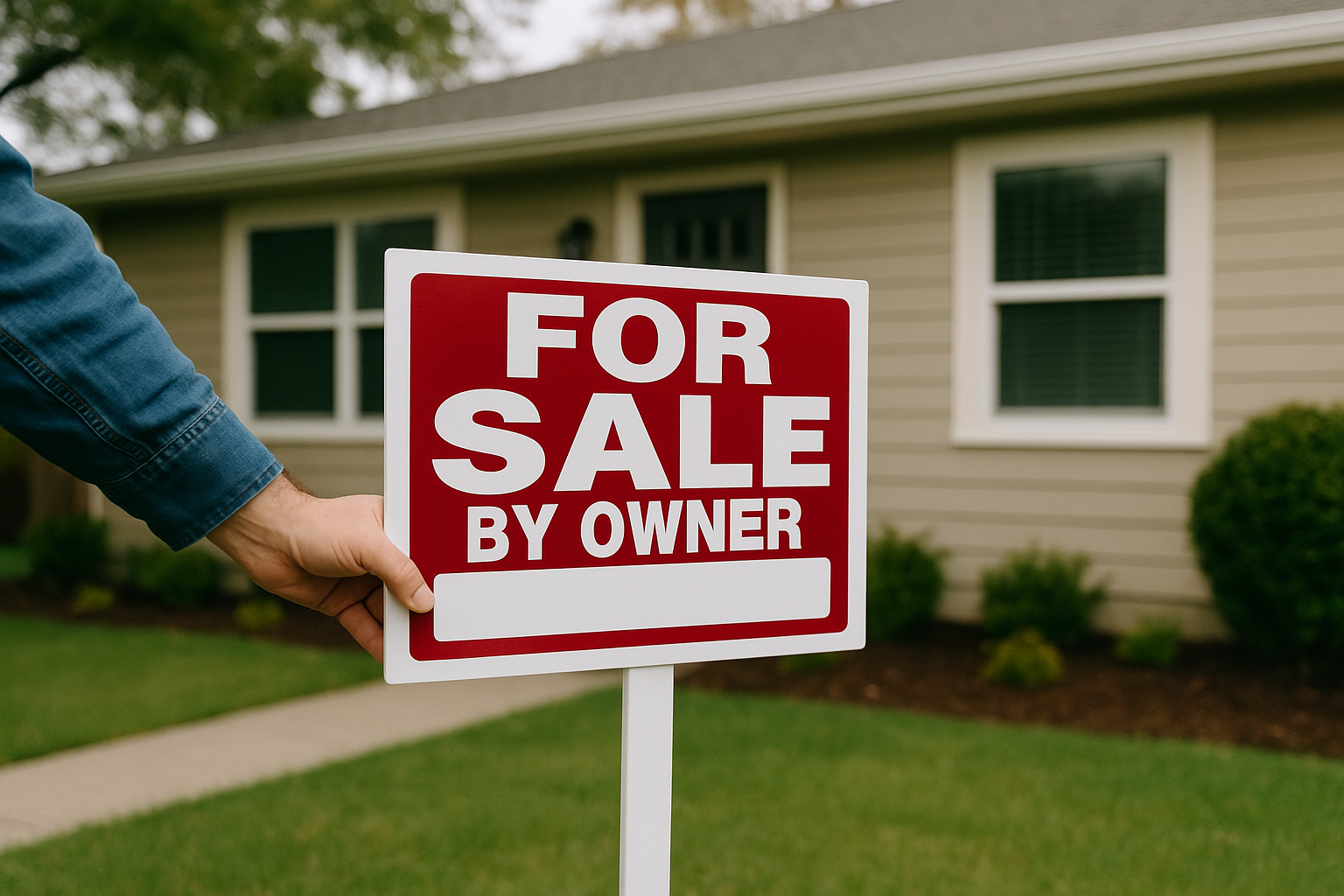
- Put up a professional-looking yard sign with a phone number and a simple URL or QR code leading to your online listing.
- Prepare printed flyers or info sheets with photos, features, and price for interested buyers.
- Host open houses on weekends to attract local buyers who may be driving through the area.
Step 5: Handle Showings and Communication
How you manage showings and communicate with buyers can significantly impact how quickly and smoothly your home sells.
Scheduling Showings
- Be as flexible as you reasonably can—more availability typically means more potential offers.
- Keep your home “show-ready” by maintaining cleanliness and minimizing last-minute clutter.
- If you’re uncomfortable being present, consider stepping outside or waiting in another room while buyers tour.
Interacting with Buyers
- Be friendly and professional, but avoid oversharing personal reasons for selling or your bottom-line price.
- Answer questions honestly, and note anything you need to check on and follow up about later.
- Provide printed info sheets or a digital link so buyers can easily revisit details after the showing.
Step 6: Review Offers and Negotiate
When offers start coming in, you’ll need to compare them carefully—not just on price, but on overall terms and risk.
Understanding Offer Terms
- Purchase price: The headline number, but not the only factor.
- Earnest money deposit: Shows the buyer’s seriousness and is usually held in escrow.
- Contingencies: Common ones include financing, appraisal, inspection, and sale of the buyer’s current home.
- Closing date: Needs to work for your timeline, especially if you’re buying another home.
- Requested credits or repairs: Buyers may ask for seller credits or specific repairs after inspections.
Negotiation Tips
- Stay calm and treat negotiation as a business conversation, not a personal judgment of your home.
- Counteroffer when needed, adjusting price or terms to get closer to a win-win agreement.
- Be prepared to compromise on minor items to keep a strong buyer engaged.
- Don’t hesitate to ask a real estate attorney to review offers before you sign, especially if terms are complex.
Step 7: Manage the Paperwork and Closing
The final stage of selling without a realtor is making sure all legal and financial steps are handled correctly so the sale closes on time.
Work With Professionals Where It Counts
- Real estate attorney: Can draft or review the purchase agreement, add-ons, and any special clauses, and help you understand your rights and obligations.
- Title company or escrow agent: Usually handles title search, escrow of funds, and closing documents.
- Tax or financial advisor: Can help you understand potential capital gains implications.
Stay on Top of Key Deadlines
- Track contingency dates for inspections, appraisal, and financing approval.
- Respond promptly to repair requests or amendments.
- Gather required documents for closing (IDs, payoff information for any mortgage, warranties or manuals you’re leaving behind, etc.).
Conclusion
Selling your home without a realtor takes more effort, but it’s absolutely doable with preparation, organization, and a willingness to learn. By researching your market, pricing realistically, presenting your home well, marketing it widely, and leaning on professionals for the legal and closing steps, you can confidently navigate a FSBO sale and keep more of your hard-earned equity.