Introduction
When you decide it’s time to move, selling your home quickly becomes a top priority. Maybe you’ve accepted a new job in another city, found your dream home, or simply want to avoid months of showings and uncertainty. Whatever the reason, you can speed up your home sale without giving your property away—if you understand how buyers think and how to position your home in today’s market.
This guide walks you through proven strategies to sell your home fast, from pricing and preparation to marketing and negotiation.
Understand the Market Before You List
Before putting that “For Sale” sign in the yard, you need a clear picture of your local real estate market. This influences everything: your pricing strategy, how aggressively you market, and how long you can realistically expect the process to take.
Research Local Conditions
- Days on market (DOM): Look at similar homes in your neighborhood and see how long they’re taking to sell. If the average is 30 days, a quick sale might mean 1–2 weeks. If it’s 90 days, “quickly” may be 45–60 days.
- Supply vs. demand: In a seller’s market (low inventory, high demand), you can often get multiple offers quickly. In a buyer’s market (lots of homes, fewer buyers), you’ll need sharper pricing and standout marketing.
- Seasonal trends: Spring and early summer are typically the fastest times to sell, but motivated buyers exist year-round—especially people relocating for work or facing their own deadlines.
Talk to a Local Expert
An experienced real estate agent can provide a comparative market analysis (CMA) to show how your home stacks up against recent sales. Even if you’re considering selling on your own (FSBO), a one-time consultation to understand pricing and buyer expectations can be invaluable.
Price It Right From Day One
Pricing is the single most important factor in selling your home quickly. Overpricing, even “just to test the market,” often leads to more time on the market and ultimately a lower sale price when you start chasing the market down.
Use Data, Not Emotion
- Focus on recent comparable sales: Look for homes similar in size, condition, age, and location that sold in the last 3–6 months.
- Avoid emotional pricing: Memories and what you “need” to get from the sale don’t affect market value. Buyers only care what the home is worth to them today.
- Skip “odd” price points: Pricing at $399,900 instead of $403,200 helps you capture buyers searching up to $400,000 and creates a cleaner perception of value.
Consider a Slightly Aggressive Price
If speed is your priority, consider listing at the lower end of your home’s fair market value range. A competitive price can:
- Attract more showings faster
- Generate multiple offers in the first week
- Potentially create a bidding situation that raises the final sale price
Being realistic—and a little strategic—up front is far more effective than dropping the price repeatedly after weeks of little activity.
Get Your Home Show-Ready Fast
Today’s buyers scroll through listings quickly. If your photos and in-person experience don’t impress right away, they move on. A few focused updates can dramatically improve how your home shows without requiring a full remodel.
Declutter and Depersonalize
Buyers need to picture their lives in your home, not yours. To make that easier:
- Remove family photos, collections, and highly personal decor.
- Clear countertops, shelves, and closets to about 50% capacity.
- Pack away off-season clothing, extra toys, and non-essential items.
Think of this as a head start on packing. The goal is to create a clean, spacious, neutral canvas.
Handle Quick, High-Impact Fixes
You don’t need a full renovation to sell quickly, but tackling small issues signals that the home is well maintained. Focus on:
- Touching up paint, especially scuffed walls and trim
- Fixing leaky faucets, squeaky doors, and loose handles
- Replacing burned-out bulbs and mismatched lighting
- Deep cleaning carpets, grout, and windows
If you have the budget, simple upgrades like modern light fixtures or fresh cabinet hardware can give rooms an updated feel at a low cost.
Boost Curb Appeal
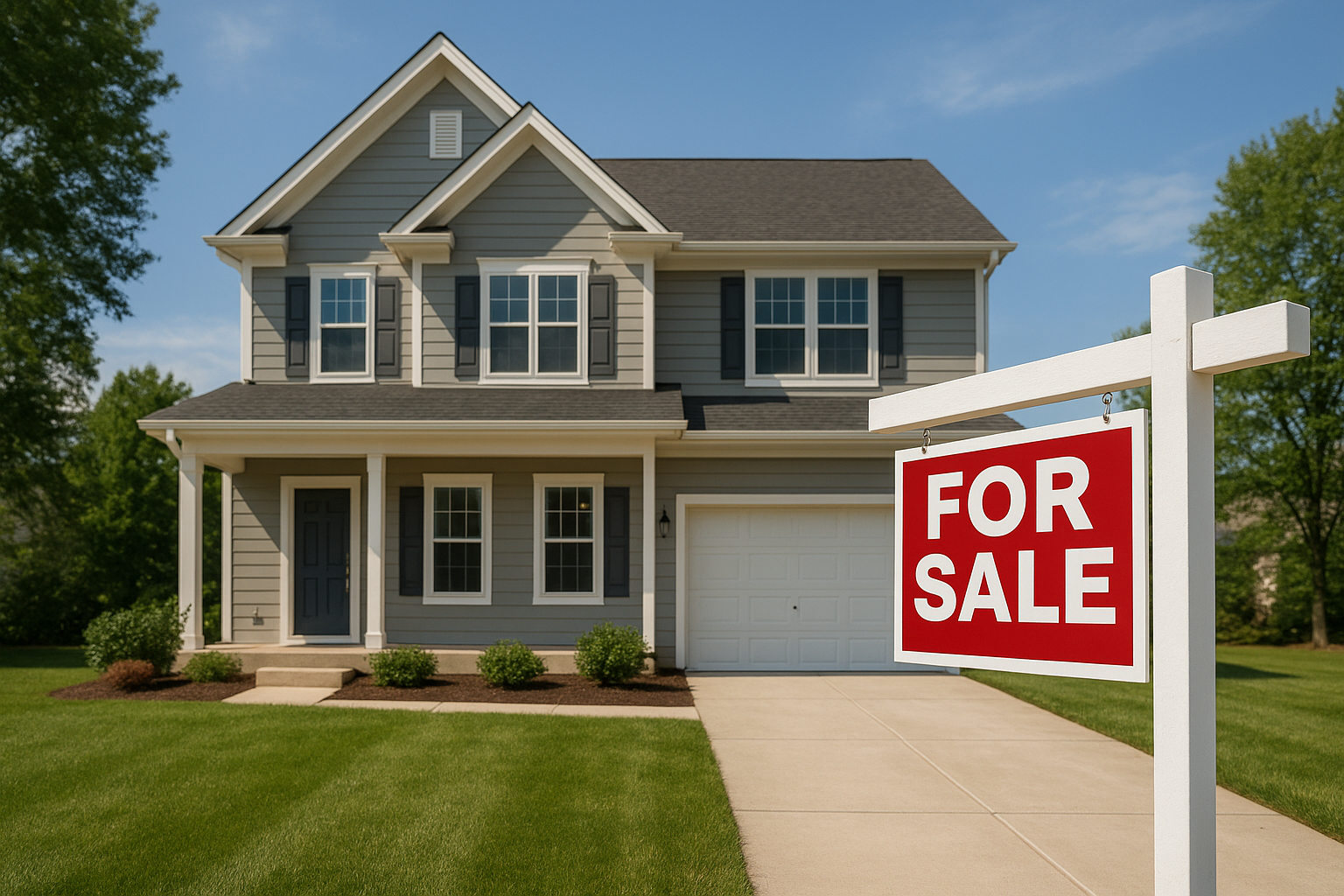
First impressions happen before buyers even step inside. To create a welcoming exterior:
- Mow the lawn, trim bushes, and remove weeds.
- Add fresh mulch and a few potted plants or flowers.
- Wash the front door and consider a fresh coat of paint.
- Clean or replace the doormat and ensure house numbers are clearly visible.
These small touches make your home stand out in listing photos and at in-person showings.
Stage for Fast Offers
Staging is about highlighting your home’s best features and helping buyers emotionally connect with the space. You can hire a professional or use simple DIY strategies.
Focus on Key Rooms
If you can’t stage the entire house, prioritize:
- Living room: Arrange furniture to create a natural conversation area and clear traffic flow.
- Kitchen: Keep surfaces mostly clear, with just a few attractive items like a bowl of fruit.
- Primary bedroom: Use neutral bedding, minimal decor, and balanced lighting to create a calm retreat.
- Entryway: Make it bright, tidy, and welcoming—this sets the tone for the whole viewing.
Create a Light, Neutral Atmosphere
- Open curtains and blinds to maximize natural light.
- Use lamps to brighten dark corners.
- Consider neutral, light-colored bedding, towels, and accent pillows.
- Remove heavy drapes and bulky furniture that make rooms feel smaller.
The more open and airy your home feels, the more quickly it will appeal to a broader range of buyers.
Market Your Home Strategically
To sell quickly, you need as many qualified buyers as possible to see your home in the first days on the market. That means strong marketing, inside and outside the Multiple Listing Service (MLS).
Invest in Professional Photography
Most buyers start their search online, and your photos are your first showing. Professional, well-lit images can dramatically increase clicks and showings. Make sure your listing includes:
- Clear shots of each major room
- Attractive exterior photos from multiple angles
- Highlight images of standout features (updated kitchen, backyard, views)
Use Multiple Channels
Beyond the MLS, increase visibility by:
- Sharing the listing on social media and local community groups.
- Creating a simple property website or virtual tour.
- Hosting an open house the first weekend on the market, if feasible.
- Letting neighbors know—it’s common for friends or family members to be looking nearby.
Be Flexible and Responsive
Buyers who are serious and ready to move quickly often have tight schedules. The easier you make it for them to see your home and submit offers, the faster you’ll sell.
Make Showings Easy
- Allow as much showing flexibility as you can, especially in the first 7–10 days.
- Consider short-notice showings if your schedule allows.
- Keep the home tidy and “show-ready” as much as possible to avoid last-minute stress.
Respond Quickly to Interest
When agents or buyers reach out:
- Respond to calls and messages as soon as you can.
- Provide requested information (disclosures, utility costs, HOA details) promptly.
- Be ready to review and respond to offers quickly, ideally within 24 hours.
Momentum matters. Delays can cause buyers to second-guess or move on to other properties.
Know Your Options for a Faster Sale
Sometimes, the fastest sale isn’t through a traditional listing. Depending on your situation, alternative options may be worth considering.
Cash Buyers and iBuyers
Cash home-buying companies and online “iBuyer” platforms can sometimes close in a matter of days. You’ll usually net less than a traditional sale, but you gain:
- Certainty and speed
- No showings or open houses
- Often, fewer repairs and contingencies
If time and simplicity are more important to you than maximizing price, these can be viable solutions.
Pre-Inspection and Pre-Offers
Another way to reduce delays is to:
- Order a pre-listing inspection to identify and address major issues early.
- Offer inspection reports to buyers up front to build trust.
- Set a clear deadline for offers to encourage quick decisions.
This can shorten the negotiation and escrow period, helping you close faster once you accept an offer.
Conclusion
Selling your home quickly doesn’t have to mean sacrificing your bottom line. The key is to approach the process strategically: understand your local market, price competitively, present a clean and inviting home, and make it easy for buyers to fall in love and act fast. With smart preparation and a focused plan, you can move on to your next chapter sooner—and with confidence in the deal you’ve made.