What Does It Really Mean to Sell a Home “As Is”?
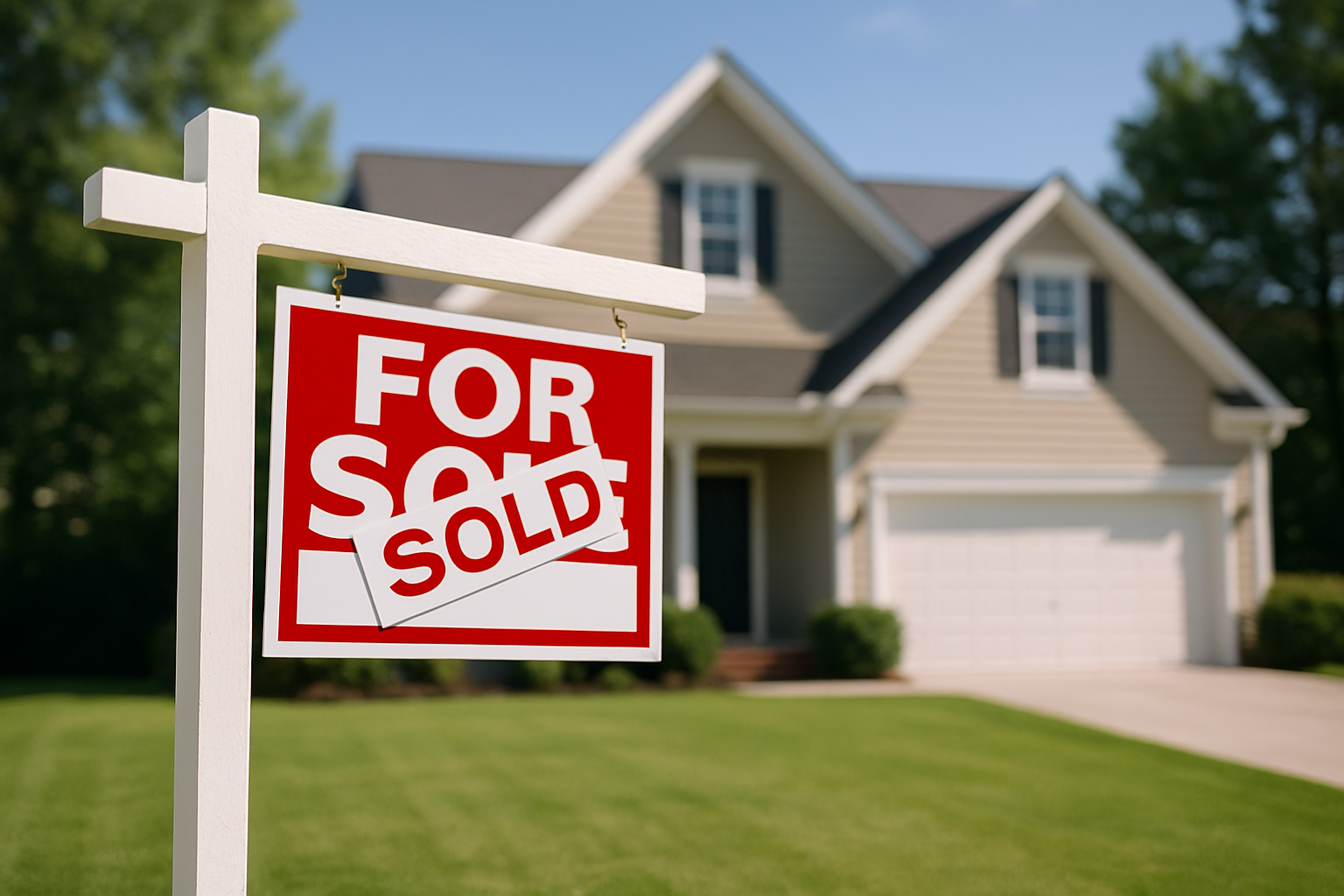
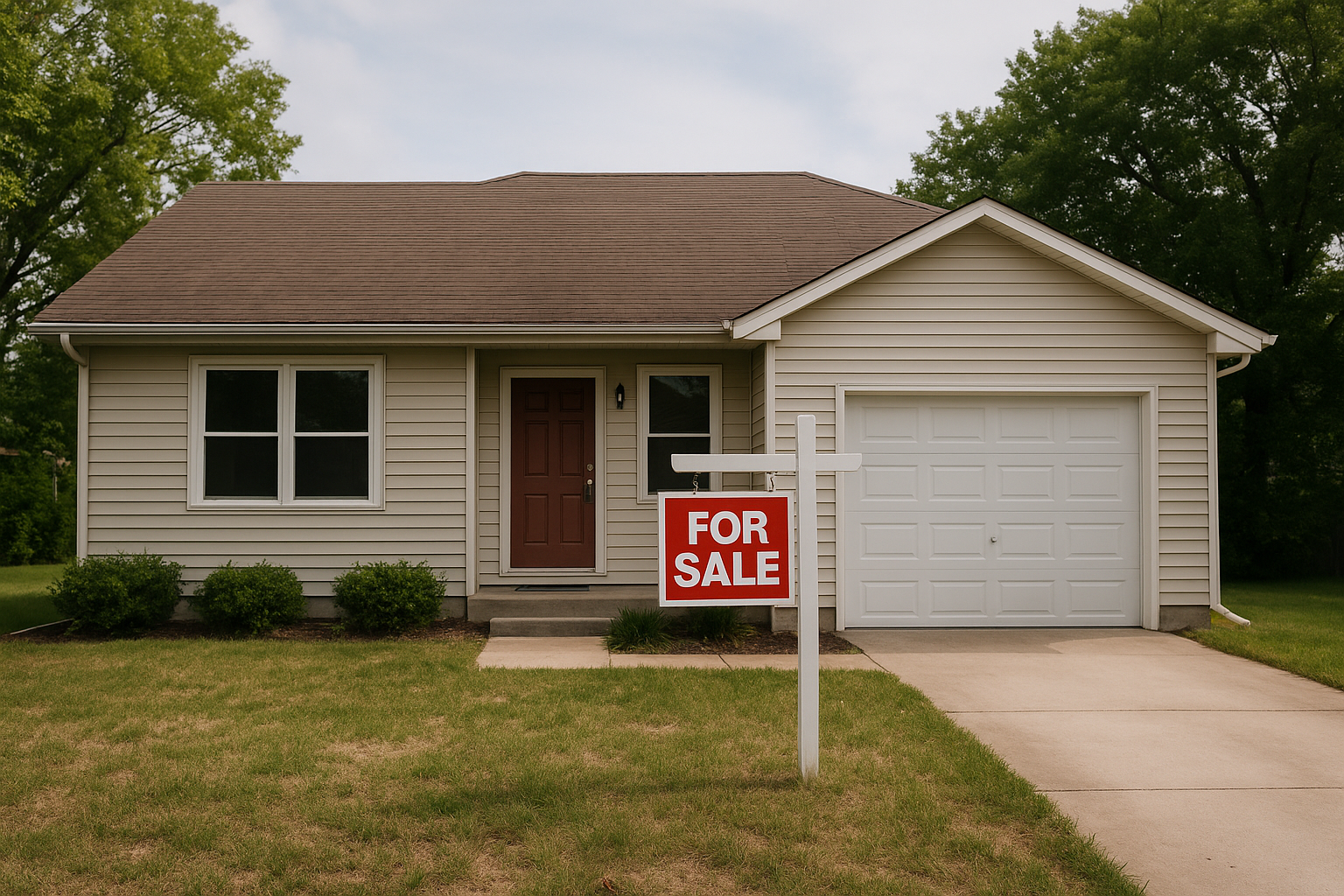
Selling a home “as is” means you are putting the property on the market in its current condition, with no promise to make repairs or improvements before closing. Buyers understand that what they see is what they get, including any visible issues and often any hidden defects you disclose.
This does not mean you can hide problems or skip legal obligations. In most states, sellers are still required to disclose known defects (like water damage, foundation issues, mold, or roof leaks). The key difference is that you’re signaling up front you won’t be repairing them.
Why Sell Your Home As Is?
There are several situations where selling a home as is is not only practical but smart. Here are the most common reasons homeowners choose this route.
1. You Need to Sell Quickly
If you’re relocating for work, dealing with a divorce, or trying to avoid foreclosure, speed may be more important than squeezing every last dollar out of the sale. Skipping repairs and extensive prepping can shave weeks or months off your timeline. Cash buyers and investors, in particular, are often drawn to as-is properties because they can close quickly.
2. You Don’t Have the Cash for Repairs
Major repairs—like a new roof, HVAC system, plumbing overhaul, or foundation work—can cost tens of thousands of dollars. If you don’t have the funds, or don’t want to open new lines of credit, selling as is lets you move forward without that upfront investment.
3. The Home Needs Extensive Renovation
Sometimes a house is simply outdated or has long-deferred maintenance. In these cases, doing partial updates might not dramatically increase your selling price. An investor or experienced DIY buyer may prefer to purchase the home as is and perform a full renovation to their own standards.
4. You Want a Simpler, Lower-Stress Sale
Coordinating contractors, living in a construction zone, and managing a long punch list can be extremely stressful—especially if you’re already juggling a move, a job change, or family responsibilities. Selling as is can simplify the process and reduce the emotional load.
Pros and Cons of Selling As Is
Before deciding, weigh the benefits and drawbacks so you can go in with realistic expectations.
Pros
- Faster timeline: No waiting on contractors or renovations. You can often list and sell more quickly.
- Lower upfront costs: You avoid spending money on repairs, updates, and extensive staging.
- Simpler process: Fewer projects to manage and fewer decisions to make about finishes and upgrades.
- Appeal to investors: Cash buyers, flippers, and landlords often seek out as-is homes and can close quickly.
Cons
- Lower sale price: Buyers will factor repair costs and risk into their offers, which means a lower price compared to a fully updated home.
- Smaller buyer pool: Many traditional buyers want move-in ready homes and may skip listings marked as is.
- Potential inspection negotiations: Even with an as-is label, buyers might still request concessions or a price reduction after inspection.
- Perception issues: Some buyers assume “as is” means the home is in terrible shape, even if that’s not fully accurate.
How to Prepare When Selling Your Home As Is
As is doesn’t mean “do nothing.” A few smart steps can help you attract better offers and reduce surprises.
1. Get a Pre-Listing Inspection (Optional but Helpful)
While not required, a pre-listing home inspection can be extremely useful. It helps you:
- Understand the true condition of your home
- Avoid being blindsided by major issues during the buyer’s inspection
- Decide if you want to fix any high-impact, low-cost problems before listing
- Provide transparency to serious buyers
You don’t have to fix everything the inspector finds, but knowing what’s there helps you price the home appropriately and disclose honestly.
2. Decide on Minimal, High-ROI Improvements
Selling as is doesn’t mean your home has to look neglected. Small, inexpensive touch-ups can make a big difference without turning into a full renovation:
- Declutter and deep clean every room
- Remove odors (pets, smoke, cooking) as much as possible
- Trim overgrown landscaping and clean up the yard
- Replace burned-out lightbulbs and fix minor safety hazards (loose handrails, missing smoke detector batteries)
- Consider a fresh coat of neutral paint in key areas if your walls are heavily marked or dark
Think of it as putting your home’s best foot forward while still being upfront about its condition.
3. Be Thorough and Honest With Disclosures
Full disclosure protects you. Failing to mention known problems can lead to legal trouble down the road. Be upfront about:
- Past or current water leaks
- Foundation or structural concerns
- Roof issues
- Electrical or plumbing problems
- Mold, pests, or prior fire damage
Honesty builds trust and helps attract buyers who are prepared for the true scope of work.
Pricing Strategy for an As-Is Sale
Pricing can make or break an as-is sale. The goal is to set a realistic number that reflects the condition, attracts buyers, and still meets your financial needs.
1. Study Comparable Sales (“Comps”)
Look at similar homes in your area that have recently sold, then adjust for condition. If comparable move-in-ready homes sold for $400,000 and your home needs $50,000 in obvious work, a buyer may only be willing to pay around $350,000—or less, to account for hassle and risk.
2. Get Professional Input
A local real estate agent with experience in as-is sales can help you:
- Estimate how much repairs would likely cost a buyer
- Understand what investors are paying in your neighborhood
- Set a price that draws interest instead of scaring buyers away
If you’re selling directly to a cash buyer or investor, compare multiple offers so you’re not leaving too much money on the table.
3. Be Prepared for Negotiation
Even with an as-is listing, most buyers still conduct an inspection. They may come back asking for a price reduction rather than repairs. Decide in advance:
- How low you’re realistically willing to go
- Which issues you might budge on (e.g., serious safety issues vs. cosmetic items)
- Whether it’s worth holding out for a better offer or taking a slightly lower one to close quickly
Marketing Your Home As Is
Good marketing helps offset some of the stigma around as-is listings. The goal is to frame the property honestly while highlighting its potential.
1. Use Clear, Transparent Listing Language
Your listing description should be upfront but positive. For example:
- “Investor special”
- “Great opportunity for a renovation or flip”
- “Priced to reflect needed updates”
- “As-is sale—seller will make no repairs”
This sets expectations early and attracts buyers comfortable with the property’s condition.
2. Highlight Strengths and Potential
Even an as-is home has selling points. Emphasize things like:
- Lot size and location
- School district
- Floor plan and square footage
- Garage, basement, or expansion potential
- Proximity to amenities, transit, or major employers
Help buyers see past current flaws and envision what the home could become with the right updates.
3. Consider Your Ideal Buyer
Different buyers have different priorities:
- Investors and flippers want a discount and quick closing.
- Landlords may be comfortable with basic, functional finishes.
- Owner-occupants who are handy might be willing to tackle projects over time in exchange for a lower upfront price.
Tailor your marketing and pricing to the group most likely to see value in your property.
Working With Agents and Cash Buyers
You have options for how to sell your home as is, each with trade-offs.
1. Listing With a Real Estate Agent
A traditional listing can expose your home to the widest audience. An experienced agent can help you:
- Price competitively for condition
- Market the home effectively as a value opportunity
- Navigate inspections, appraisals, and negotiations
You’ll pay a commission, but you may net more overall than a quick investor sale.
2. Selling to a Cash Buyer or Investor
Cash buyers often purchase homes strictly as is, with no repairs and very fast closings—sometimes in just a week or two. In exchange for convenience and speed, you’ll usually accept a lower price than you’d get on the open market.
If you go this route, compare multiple offers, read all contracts carefully, and watch for hidden fees or last-minute price drops.
Conclusion
Selling your home as is can be a smart strategy when you prioritize speed, simplicity, or avoiding major repair costs. By understanding what as-is truly means, pricing realistically, disclosing honestly, and marketing the property’s potential, you can attract the right buyers and move on to your next chapter with fewer headaches.