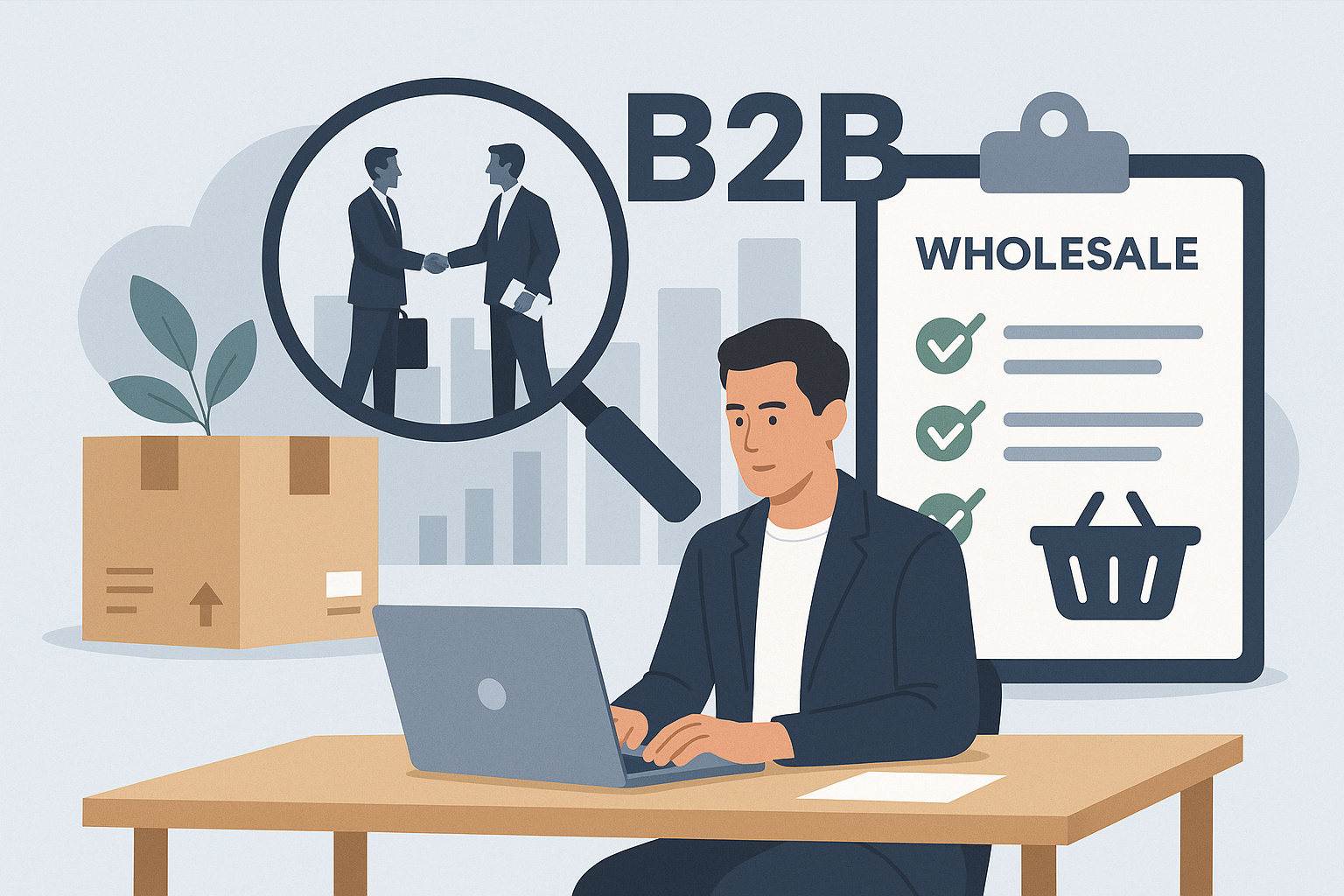
Why finding wholesale buyers matters
If you manufacture products or source goods in bulk, finding reliable wholesale buyers is the difference between occasional sales and steady, scalable revenue. Wholesale buyers — retailers, distributors, or other businesses — can place larger, repeat orders, reduce customer acquisition costs, and provide valuable market feedback that helps you refine products and operations.
Benefits of a strong buyer network
- Predictable cash flow through repeat orders
- Lower marketing spend per sale
- Faster inventory turnover and economies of scale
- Credibility boost when known retailers stock your products
Where to find wholesale buyers
Start by identifying the places where buyers look for new products. Casting a wide net across both online and offline channels will increase your chances of making meaningful connections.
Industry trade shows and expos
Trade shows are one of the fastest ways to meet qualified wholesale buyers face-to-face. Attend relevant shows in your niche, reserve a booth or schedule one-on-one meetings with attending retailers. Prepare price sheets, samples, and a clear minimum order quantity (MOQ).
Online marketplaces and B2B platforms
Websites like Alibaba, Faire, Tundra, and global B2B marketplaces attract buyers actively sourcing wholesale products. Optimize your product listings, highlight wholesale terms, and respond quickly to inquiries.
B2B directories and trade associations
Industry directories and trade association member lists provide vetted contacts. Use these to compile a targeted outreach list of retailers, distributors, and resellers in your product category.
Social media groups and marketplaces
LinkedIn, Facebook groups, and specialized forums are useful for networking. Join groups for retail buyers, indie store owners, and category-specific communities. Share case studies, product photos, and wholesale terms to generate interest.
Local retailers and regional chains
Don’t overlook local businesses. Independent shops and regional chains often look for unique, local, or niche products. Drop off samples, introduce yourself, and offer flexible small-batch options to get a foot in the door.
Manufacturer and distributor referrals
Tap into your current partners’ networks. Distributors, co-packers, and even complementary manufacturers can refer you to buyers who already trust similar suppliers.
How to attract and qualify wholesale buyers
Attracting buyers is part marketing and part trust-building. Once interest is generated, qualifying prospects helps prioritize outreach and saves time.
Create an appealing wholesale offer
- Clear wholesale pricing and MOQ
- Tiered discounts for larger orders
- Professional product sheets and high-quality images
- Easy-to-read terms for shipping, returns, and lead times
Set pricing and terms strategically
Price to allow retailers a healthy margin while keeping your business profitable. Be transparent about shipping costs, minimums, and turnaround times. Flexible payment options (net 30, partial upfront) can win new buyers.
Qualifying buyers
Ask simple but revealing questions: What order size are you considering? Where will you sell the product? Do you need exclusive territory? Do you have storefronts or an online presence? These answers indicate seriousness and fit.
Samples, pilot orders, and contracts
Offer samples or low-cost pilot orders to reduce buyer risk. Use basic agreements to protect both parties — include payment terms, delivery expectations, and quality standards.
Sales outreach strategies
Consistent, targeted outreach converts prospects into customers. Mix proactive outreach with inbound tactics to build a steady pipeline.
Cold outreach with personalization
Cold emails and calls work when personalized. Mention why your product suits their stores, reference a similar product they carry, and include an easy call-to-action like scheduling a sample drop-off.
Content marketing and inbound interest
Create product lookbooks, wholesale landing pages, and case studies that buyers can discover organically. Highlight retail success stories and show clear wholesale terms on a dedicated page.
Leverage partnerships and co-marketing
Partner with complementary brands for cross-promotions aimed at retailers, or offer joint bundles that appeal to specific buyer segments.
Use CRM and automation
Track outreach, follow-ups, and orders in a CRM. Automate reminders, sample follow-ups, and onboarding sequences so no lead falls through the cracks.
Tips for building long-term relationships
Once you secure wholesale buyers, focus on retention and growth.
Reliable communication and excellent service
Respond promptly, meet delivery windows, and proactively communicate about stock or production changes. Reliability builds trust and repeat business.
Consistent quality and dependable fulfillment
Retailers need consistency. Maintain product quality, accurate labeling, and dependable packaging. Consider a safety stock policy to avoid stockouts for key accounts.
Incentives for loyalty
Offer reorder discounts, marketing support, or early access to new products. Loyalty incentives encourage buyers to increase order size and frequency.
Conclusion
Finding wholesale buyers requires a mix of targeted research, professional presentation, and consistent follow-up. Use trade shows, online marketplaces, local outreach, and strategic partnerships to build a pipeline, then qualify prospects and focus on service to turn one-time buyers into long-term partners. With the right approach and reliable execution, wholesale relationships can become the backbone of a scalable business.