Understanding For Sale By Owner (FSBO)
Selling your home For Sale By Owner (FSBO) means you handle the entire sale without hiring a listing agent. In exchange for saving on commission, you take on pricing, marketing, showings, negotiations, and paperwork yourself. With the right preparation, tools, and expectations, you can successfully sell your home and keep more of your equity.
Preparing Your Home for Sale
Declutter and Depersonalize
Buyers need to picture themselves living in your home, not walking through your life. Start by removing excess furniture, personal photos, collections, and anything that makes rooms feel busy or small. Clear countertops, simplify decor, and organize closets and storage spaces so they appear spacious and functional.
Consider renting a small storage unit if needed. A lean, neutral space photographs better, feels bigger, and allows buyers to focus on the home’s features rather than your belongings.
Make Essential Repairs
Minor issues can raise red flags for buyers, especially when you’re selling without an agent. Fix leaky faucets, squeaky doors, cracked tiles, broken light fixtures, and any obvious cosmetic damage. Touch up paint, replace burned-out bulbs, and ensure all appliances and systems are in working order.
Addressing these items up front helps you avoid failed inspections and renegotiations later. If you’re unsure what to fix, walk through your home as if you’re the buyer, or ask a handy friend for a brutally honest assessment.
Boost Curb Appeal
Your home’s exterior sets the tone before buyers even walk in the door. Simple updates can dramatically improve first impressions:
- Mow, edge, and weed the lawn
- Trim bushes and trees, especially near windows and walkways
- Add fresh mulch and a few seasonal plants
- Clean the front door and consider a fresh coat of paint
- Power wash siding, walkways, and driveway if needed
A neat, well-maintained exterior signals that the home has been cared for, which reassures buyers and sets the stage for a positive showing.
Pricing Your FSBO Home Correctly
Research Comparable Sales
Pricing is one of the most critical FSBO tips. Overpricing leads to longer days on market and low-ball offers; underpricing leaves money on the table. Look up recent sales of similar homes in your area (same style, size, age, and condition) within the last 3–6 months.
Use online real estate portals, county records, and local listing data. Pay attention to sold prices, not just list prices. Adjust for differences in features like updated kitchens, extra bathrooms, finished basements, or larger lots.
Be Objective, Not Emotional
It’s natural to love your home, but buyers won’t pay a premium for your memories. Focus on market data, condition, and location—not what you “need” to get or what you think the home is worth.
You may want to get a pre-listing appraisal or a paid market analysis from a real estate professional. Even if you don’t hire an agent to list the home, a one-time consultation can help you set a realistic, competitive price.
Understand the Local Market
Is your area in a buyer’s market or a seller’s market? In a seller’s market with low inventory, you can price slightly more aggressively. In a buyer’s market, you may need to price more competitively to attract attention.
Watch how quickly similar homes go under contract and whether they reduce prices before selling. Your strategy should reflect real demand in your neighborhood, not just regional or national headlines.
Marketing Your FSBO Property
Create a Compelling Listing
Your listing description is your first sales pitch. Highlight your home’s most desirable features—natural light, storage, layout, outdoor space, and recent updates. Lead with benefits buyers care about, like a walkable location, great schools, or a quiet cul-de-sac.
Write clearly and honestly. Avoid all caps, vague claims, and excessive hype. Instead, use specific details (e.g., “2019 roof,” “fully fenced backyard,” “energy-efficient windows”) that add credibility and value.
Invest in Great Photos
Most buyers start their search online, and photos determine whether they ever schedule a showing. Clean and stage every room before photographing. Open blinds, turn on all lights, and shoot during the day for maximum natural light.
If possible, hire a professional real estate photographer. If you’re taking photos yourself, use a tripod, shoot from the corners of rooms to show space, and avoid vertical phone shots. Include clear photos of key areas: front exterior, living room, kitchen, primary bedroom, bathrooms, yard, and any standout features.
Use Multiple Marketing Channels
To reach the largest audience, don’t rely on just one website or a yard sign. Consider:
- Listing on popular real estate websites that accept FSBO listings
- Paying for a flat-fee MLS service to syndicate your listing to agent sites
- Promoting on social media and local community groups (within their rules)
- Creating simple flyers or a property brochure for in-person visitors
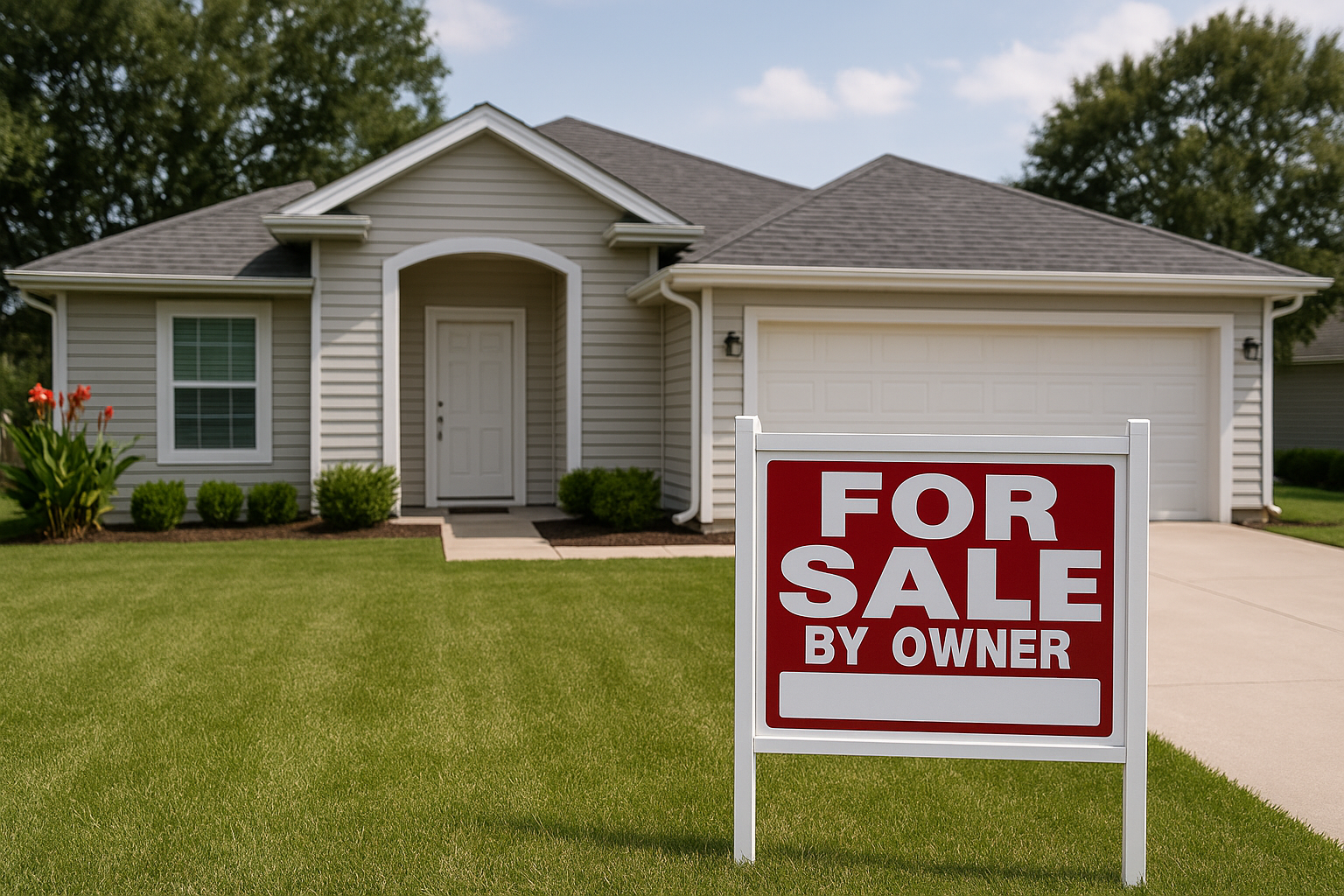
- Posting a high-quality “For Sale By Owner” yard sign with clear contact info
The more eyes on your listing, the better your chances of finding serious, qualified buyers quickly.
Handling Showings and Open Houses
Schedule Showings Strategically
Make it easy for buyers to see your home. Offer flexible showing times, including evenings and weekends. Use a digital calendar or showing app to stay organized and avoid double-booking.
Before every showing, tidy up, turn on lights, open blinds, and set the temperature to a comfortable level. Secure valuables, medications, and sensitive documents in a locked drawer or off-site.
Host Professional-Feeling Open Houses
An open house can bring in multiple prospects at once. Advertise the date and time in your listing, on social media, and with clear yard signage.
On the day of the event:
- Set out simple property flyers or information sheets
- Have a sign-in sheet to capture names and contact information
- Be ready to answer basic questions about the home, utilities, and neighborhood
- Give visitors space to explore; offer information without hovering
Afterward, follow up with serious guests while your home is still fresh in their minds.
Negotiating Offers Like a Pro
Review All Terms, Not Just Price
When an offer comes in, look beyond the dollar amount. Consider:
- Financing type (conventional, FHA, VA, cash)
- Contingencies (inspection, appraisal, sale of buyer’s home)
- Requested closing date and possession terms
- Requested repairs or seller concessions
A slightly lower price with stronger financing and fewer contingencies can actually be a better deal than a top-dollar offer with a lot of conditions.
Counteroffer Confidently
You’re not obligated to accept the first offer. You can counter on price, closing date, contingencies, or any other term. Respond in writing, with clear deadlines. Stay professional and avoid emotional reactions, even if an offer feels low.
Base your responses on market data and your priorities. If multiple buyers are interested, communicate fairly and transparently, and work with the buyer who offers the best overall package.
Know When to Compromise
Every negotiation involves some give and take. Decide in advance what you’re willing to bend on and what’s non-negotiable. Small concessions—like including certain appliances or adjusting the closing date—can keep a good deal together.
Remember your ultimate goal: a successful closing at a fair price. Sometimes accepting a solid, clean offer now is better than holding out for an ideal one that may never materialize.
FSBO Paperwork and Legal Considerations
Use State-Approved Forms
Real estate law and required forms vary by state, so it’s essential to use the correct documents. Many states offer standard purchase agreements and disclosures through their real estate commissions, local real estate associations, or legal websites.
Typical documents include a purchase agreement, property disclosure forms, lead-based paint disclosure (for older homes), and any local addenda. Read everything carefully before signing, and make sure buyers do the same.
Consider Hiring a Real Estate Attorney
Even if you don’t use an agent, it’s wise to have a real estate attorney review your contract and guide you through closing. The cost is typically a fraction of a full agent commission and can protect you from costly mistakes or disputes.
An attorney can help you understand your obligations, handle title issues, and coordinate with the buyer’s lender and closing company.
Don’t Skip Required Disclosures
Sellers are usually legally required to disclose known material defects and certain property conditions. Failing to disclose can lead to lawsuits and financial liability later. When in doubt, disclose clearly and in writing.
Be honest about repairs, past water damage, structural issues, or neighborhood concerns that legally require disclosure in your area. Transparency helps build trust and reduces the chances of post-closing conflicts.
Conclusion
Selling your home For Sale By Owner can be rewarding and cost-effective when you approach it like a business: prepare the property thoroughly, price it based on data, market it widely with great photos, and stay organized through showings, negotiations, and paperwork. Surround yourself with the right support—such as a photographer, attorney, or one-time consultation with a real estate professional—and you can confidently navigate the process from listing to closing while keeping more of your hard-earned equity.