Introduction
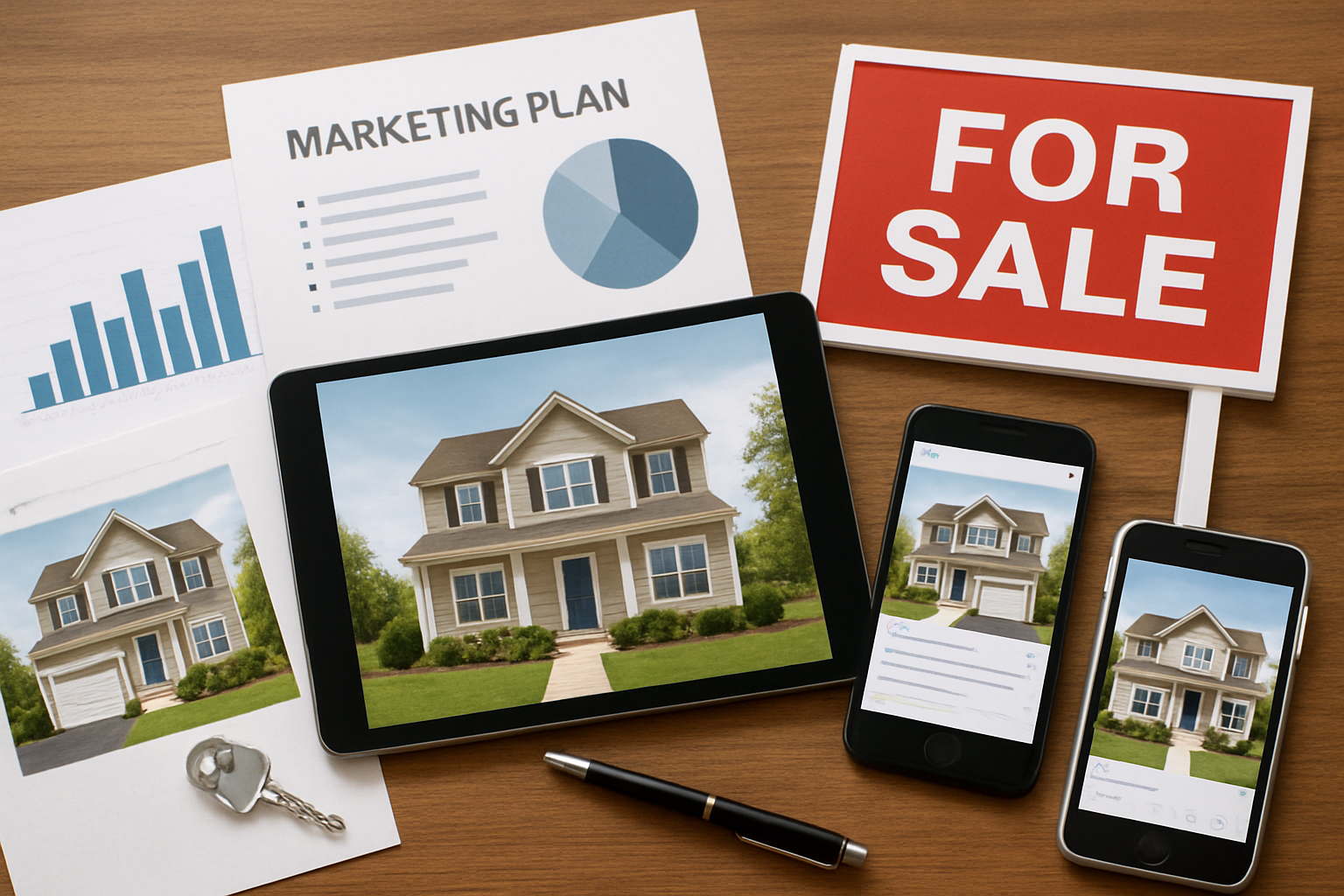
Selling a home can feel overwhelming, but the right marketing strategy turns a stressful process into a predictable, profitable one. Today’s buyers expect a polished online presence, clear pricing, and a seamless viewing experience. Combining preparation, high-quality visuals, and targeted promotion helps your listing stand out and sell faster—often for a better price.
Prepare Your Home for Market
Declutter, Clean, and Make Repairs
First impressions matter. Remove personal items, excess furniture, and clutter so buyers can imagine themselves in the space. Deep-clean every room and complete small repairs—leaky faucets, sticky doors, cracked tiles—so the listing presents as move-in ready. Investing modestly in necessary fixes often yields a strong return at closing.
Professional Staging
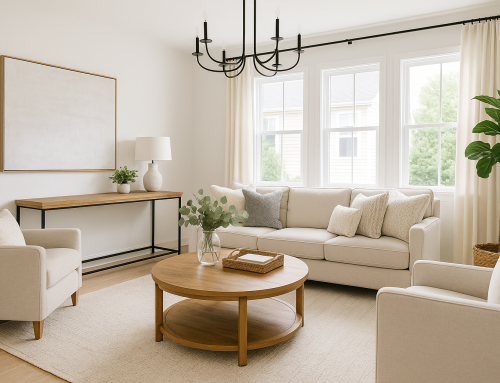
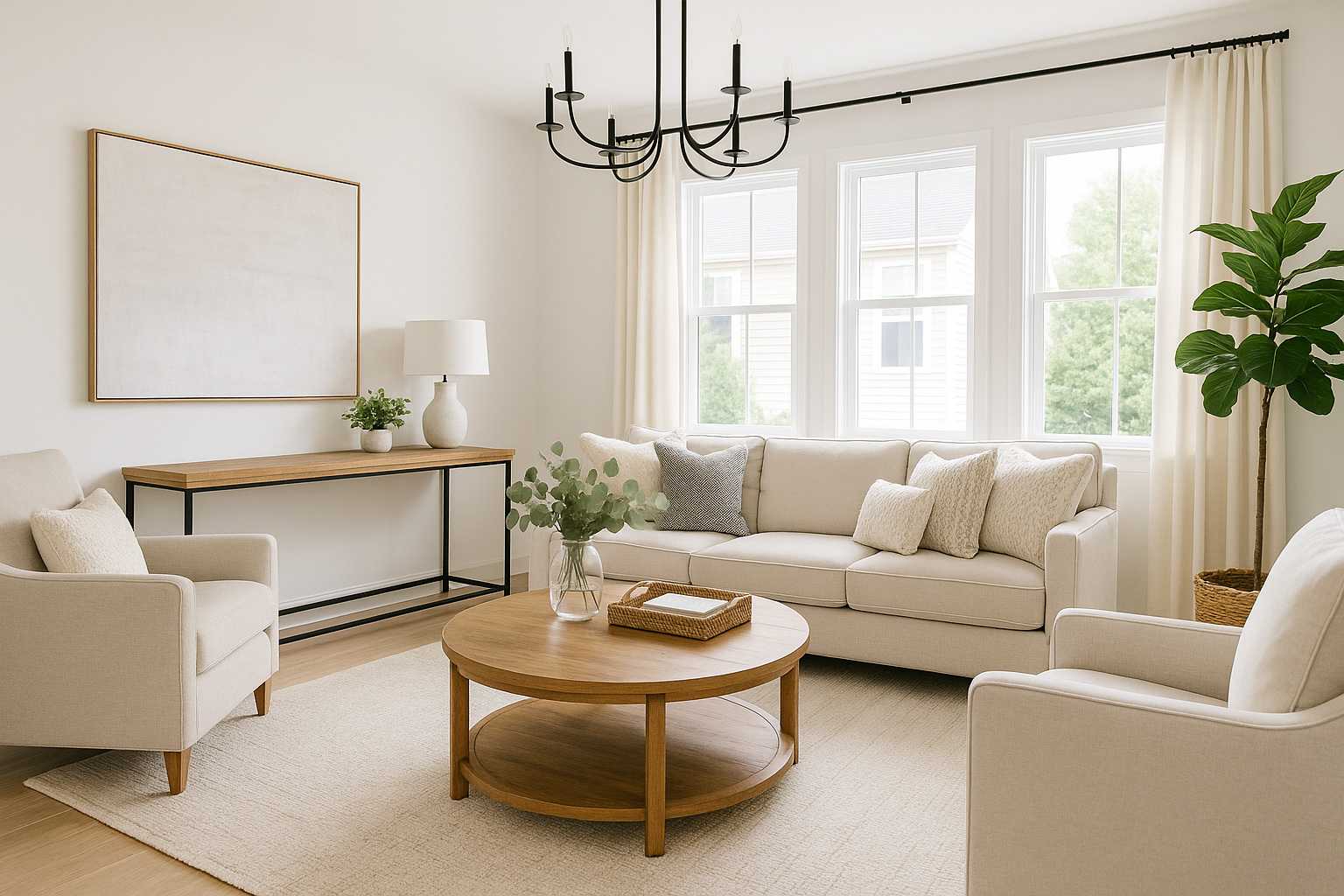
Staging highlights a home’s best features and helps maximize perceived value. A professional stager can suggest furniture arrangement, color updates, or minor decor adjustments that photograph well and appeal to a broad audience. If staging isn’t in the budget, follow staging principles: neutralize bold decor, create conversational seating areas, and enhance curb appeal with tidy landscaping.
Create Compelling Listings
High-Quality Photography and Video
Most buyers begin their search online, and listings with superior imagery get far more views. Hire a real estate photographer who understands light, angles, and composition. Add a short walk-through video and, if possible, a drone shot for larger properties. Videos and aerial images increase engagement and help buyers shortlist your home.
Clear, SEO-Friendly Descriptions
Write a concise headline that highlights the strongest selling point: location, recent upgrades, or a unique feature. In the description, keep paragraphs short and use bullet points for key details (bedrooms, baths, HVAC, parking). Include local keywords—neighborhood name, nearby schools, parks—to improve search visibility on real estate portals and search engines.
Digital Marketing Tactics
Optimize MLS and Real Estate Sites
Ensure your listing on the MLS is complete and updated. Syndicate it to major portals like Zillow, Realtor.com, and Trulia. Strong MLS exposure ensures agents and buyers see accurate, timely information about your property.
Social Media and Paid Ads
Use targeted social media ads to reach buyers by location, age, and interests. Facebook and Instagram are especially effective for local promotion. Boost top-performing posts and run short ad campaigns highlighting open houses, price reductions, or unique amenities. Promote video tours and carousel galleries for higher engagement.
Email Marketing and Agent Outreach
Work with your agent to notify their buyer database and relevant local agents. A targeted email blast with standout images and a virtual tour link can bring qualified prospects quickly. If you have a personal network, share the listing across your contacts and neighborhood groups to increase word-of-mouth reach.
In-Person and Local Strategies
Open Houses and Private Showings
Open houses can attract curious neighbors and serious buyers alike. Schedule them at peak times and ensure the home is spotless and well-lit. For private showings, be flexible with timing—weeknights and weekends matter. Provide printed flyers with key facts and a QR code linking to the online listing or virtual tour.
Signage and Neighborhood Marketing
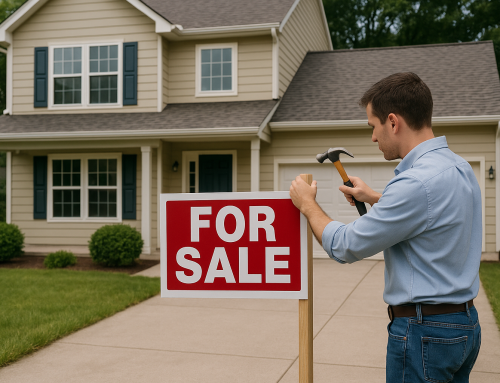
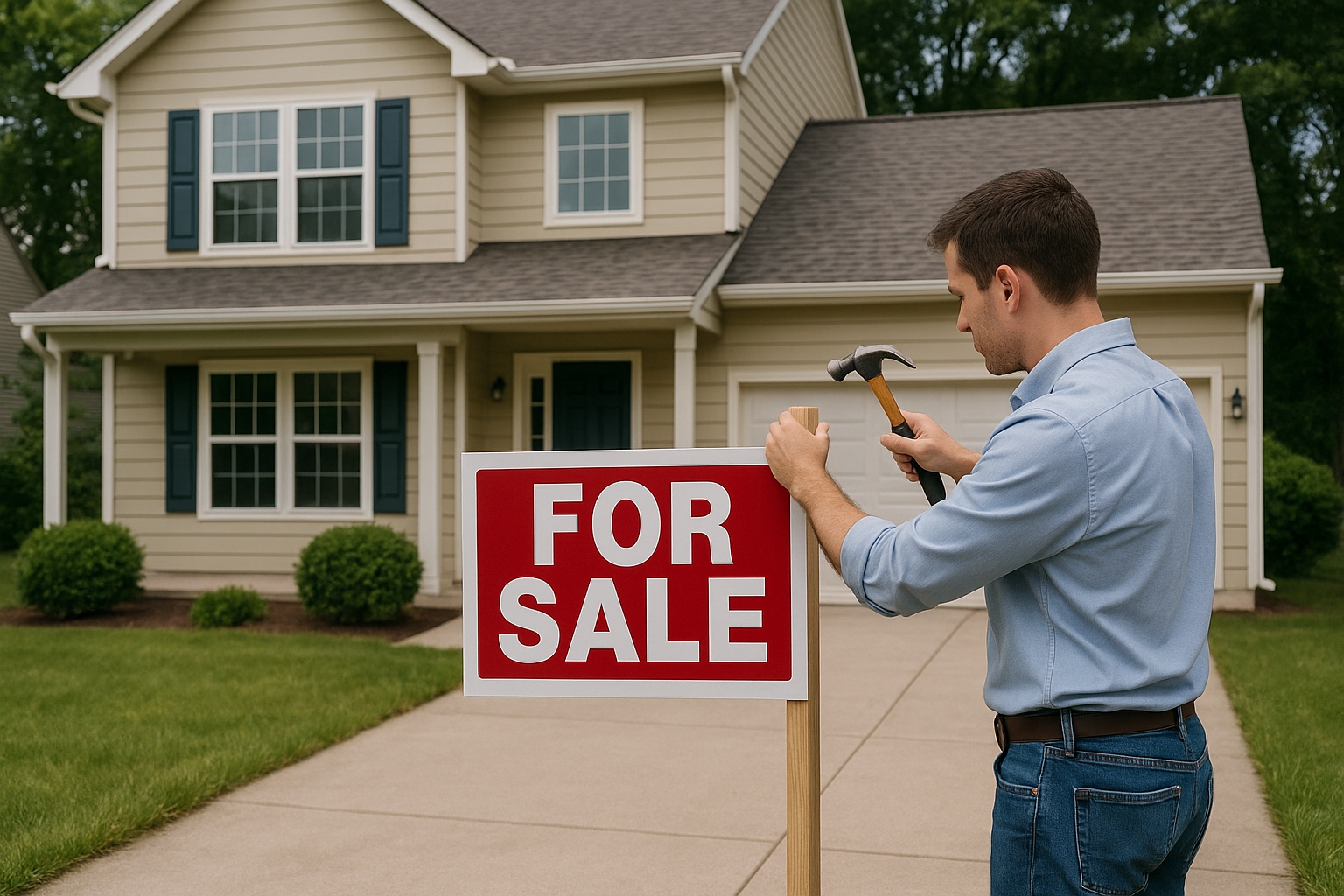
Clear, professional signage remains effective. Use directional signs for open houses and include a short URL or QR code to the listing. Consider door-knocking or distributing flyers to nearby homes; neighbors often know potential buyers or may refer family and friends.
Pricing and Timing
Competitive Pricing Strategy
Price matters more than ever. Set a competitive and realistic price based on current comps, market trends, and days-on-market data. Slightly underpricing can create bidding interest; overpricing typically prolongs time on market and leads to price reductions that erode buyer confidence.
Market Timing and Flexibility
Seasonality affects buyer activity. Spring and early summer often see higher demand, but local conditions vary. Be prepared to adjust tactics—refresh photos, run new ads, or offer incentives—if the listing isn’t generating showings within the expected timeframe.
Bonus Tips
Virtual Tours and Floor Plans
360-degree virtual tours and accurate floor plans reduce uncertainty and attract out-of-town buyers. These tools increase the likelihood of serious inquiries and shorten the sales cycle.
Track Performance and Adapt
Monitor listing analytics: views, saves, and inquiries. Track which channels produce the most qualified leads and reallocate budget accordingly. Small, data-driven changes—replacing a photo, tweaking ad targeting, or updating the description—can lift results quickly.
Conclusion
Selling a home quickly and for the best price requires a coordinated approach: prepare the property, showcase it with great visuals, reach buyers through both digital and local channels, and price it intelligently. By combining these strategies and measuring performance, you’ll increase interest, reduce time on market, and improve your final sale outcome.