- Understanding Wholesaling
- Pros of Wholesaling
- Cons of Wholesaling
- The Role of Real Estate Agents
- Pros of Using a Real Estate Agent
- Cons of Using a Real Estate Agent
- Making the Right Choice
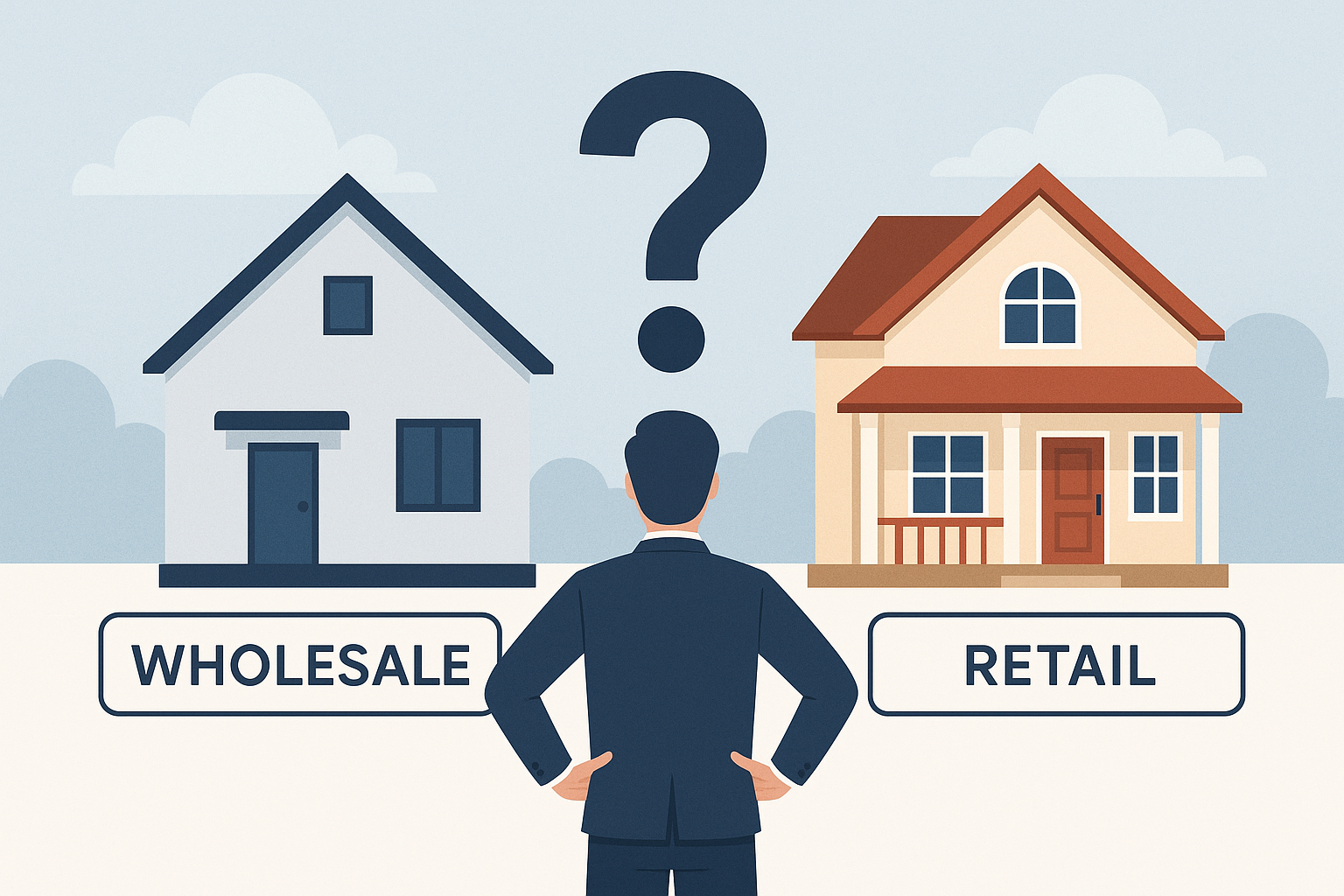
When homeowners decide it’s time to sell, they often find themselves weighing options between going through a real estate agent or working with a wholesaler. Both avenues present unique benefits and challenges, especially when the goal is to sell your home fast and for cash. Understanding the landscape of these two approaches can help you make an informed decision.
Understanding Wholesaling
Wholesaling in real estate typically involves finding a property, getting it under contract, and then selling that contract to an investor for a fee. This method often targets distressed properties or motivated sellers who desire a quick sale.
Pros of Wholesaling
1. Speed of Transaction: Wholesalers can often close deals more quickly than traditional buyers because they typically work with cash investors who do not require lengthy approval processes.
2. Less Hassle: For homeowners looking to sell home fast, wholesaling can be appealing. There’s minimal need for showings, repairs, or marketing efforts, making the process straightforward.
3. As-Is Sales: Homeowners can sell their property in its current condition without needing to invest in expensive repairs, which can significantly save both time and money.
4. Investor Networks: Wholesalers often have access to a network of investors, increasing the likelihood of a quick sale.
Cons of Wholesaling
1. Lower Sale Price: Because wholesalers intend to profit by reselling the property, sellers may not receive the full market value for their home.
2. Limited Buyers: Not all buyers are looking for distressed properties, which can limit your pool of potential buyers.
3. Less Control: When working with wholesalers, sellers often have less say over the sale process and may not be fully informed about the transaction details.
The Role of Real Estate Agents
Real estate agents provide a more traditional route for selling a home. They assist in listing properties, marketing them to potential buyers, and guiding sellers through the transaction process.
Pros of Using a Real Estate Agent
1. Market Knowledge: Agents possess a deep understanding of local market conditions, which can help you price your home effectively and attract the right buyers.
2. Higher Sale Price: With an agent’s expertise, you may be able to secure a better sale price than you would with a wholesaler.
3. Comprehensive Marketing: Real estate agents utilize various marketing strategies, including online listings, open houses, and targeted advertising, ensuring maximum exposure for your property.
4. Full Support: Agents guide you through every step of the selling process, from negotiations to paperwork, making the experience less stressful for the homeowner.
Cons of Using a Real Estate Agent
1. Time-Consuming: Selling through an agent can take longer due to the need for showings, open houses, and negotiations.
2. Commission Fees: Real estate agents typically charge a commission, which can cut into your profits from the sale. This fee can range from 5% to 6% of the sale price.
3. Less Flexibility: Sellers may have to deal with various contingencies and conditions imposed by buyers, which can complicate the selling process.
Making the Right Choice
The decision between using a wholesaler or a real estate agent ultimately depends on your circumstances and priorities. If you need to sell your home quickly and are willing to accept a potentially lower sale price, a wholesaler may be the best option. On the other hand, if you have time to wait and want to maximize your sale profit, engaging a real estate agent to navigate the market could be more advantageous.
Consider factors such as the condition of your property, your timeline for selling, and how much expertise you want in negotiating the deal. Each route has its advantages and disadvantages, so taking the time to evaluate your needs will lead you toward the best decision for your home-selling situation.